Earned media has become essential for AI search.
AI systems like ChatGPT and Google’s AI Overviews prioritize editorial sources that are independently trusted, using them to validate information.
Editorial coverage accounts for 61% of AI-generated responses, which proves that media mentions directly influence AI visibility and authority.
In this case study, we’ll show you how we helped an investment platform grow revenue through a focused digital PR campaign.
The results?
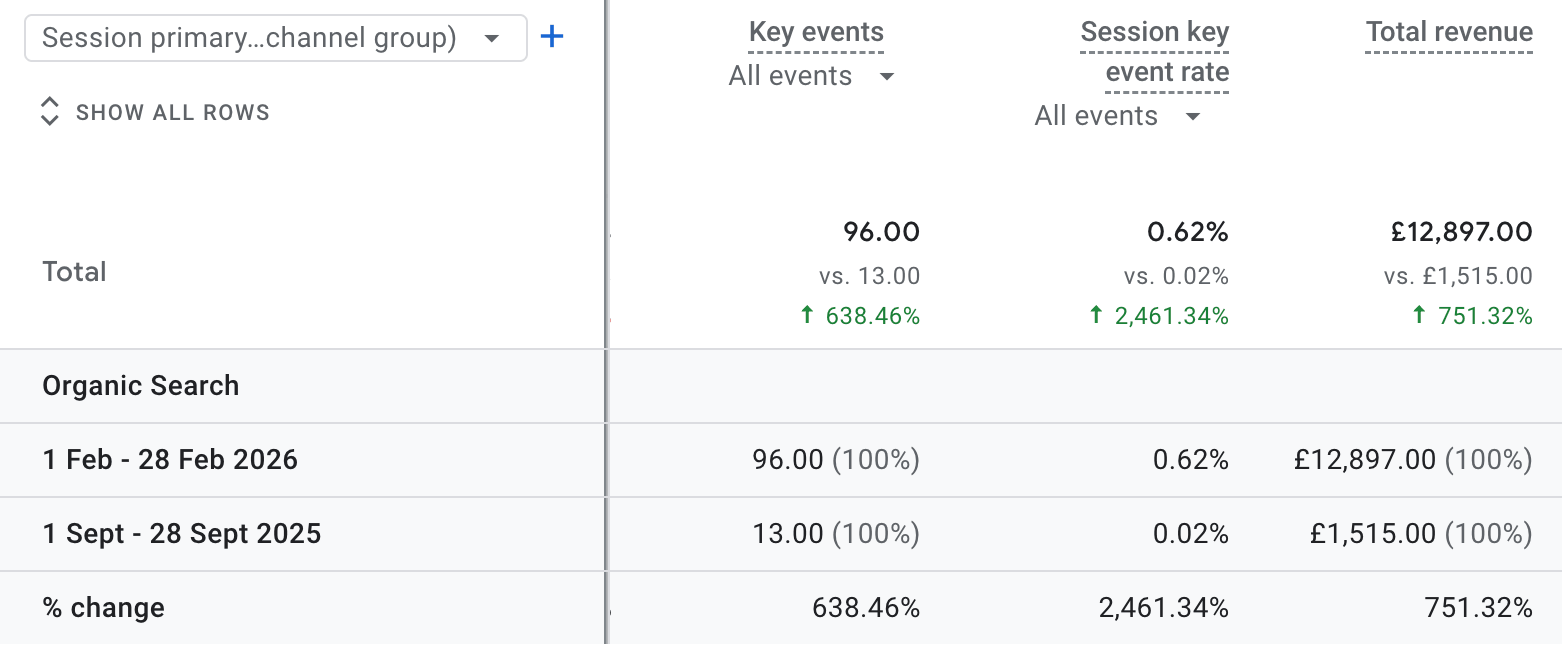
We saw a 750%+ increase in revenue from £1.5k to £12.9k/month.
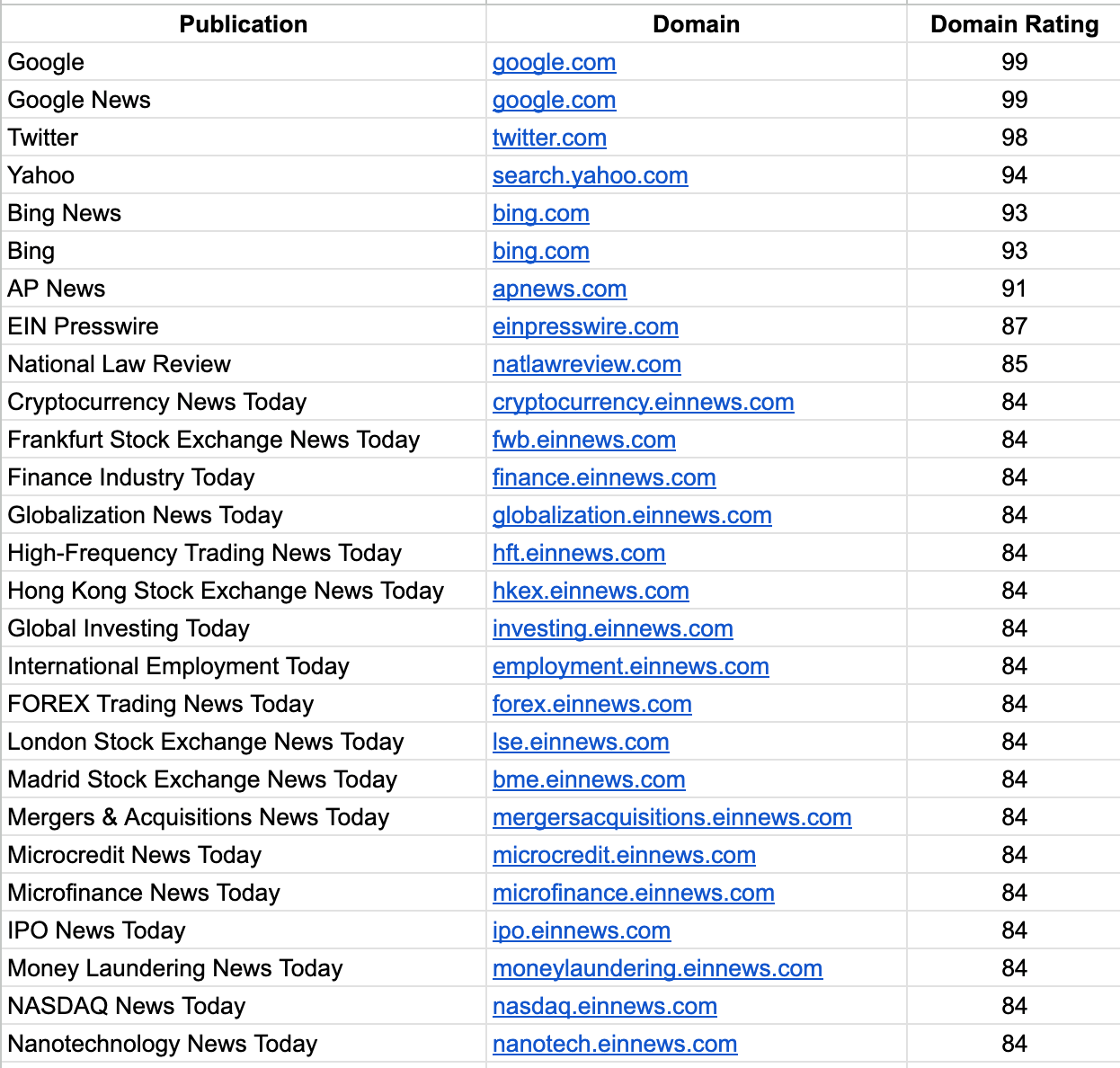
Our PR campaign was picked up by more than 300 publications including Google, Yahoo, Bing News, AP News, EIN Presswire, National Law Review and more.
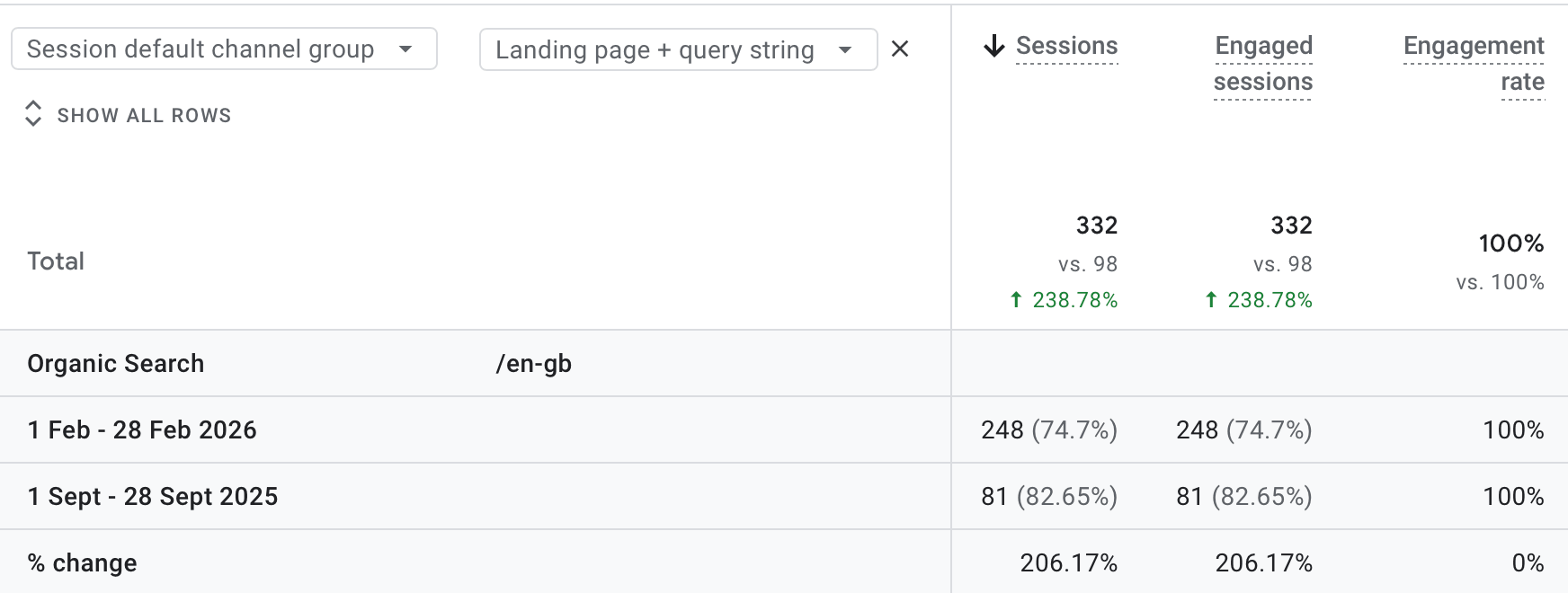
And from the start of the campaign, organic traffic more than doubled.
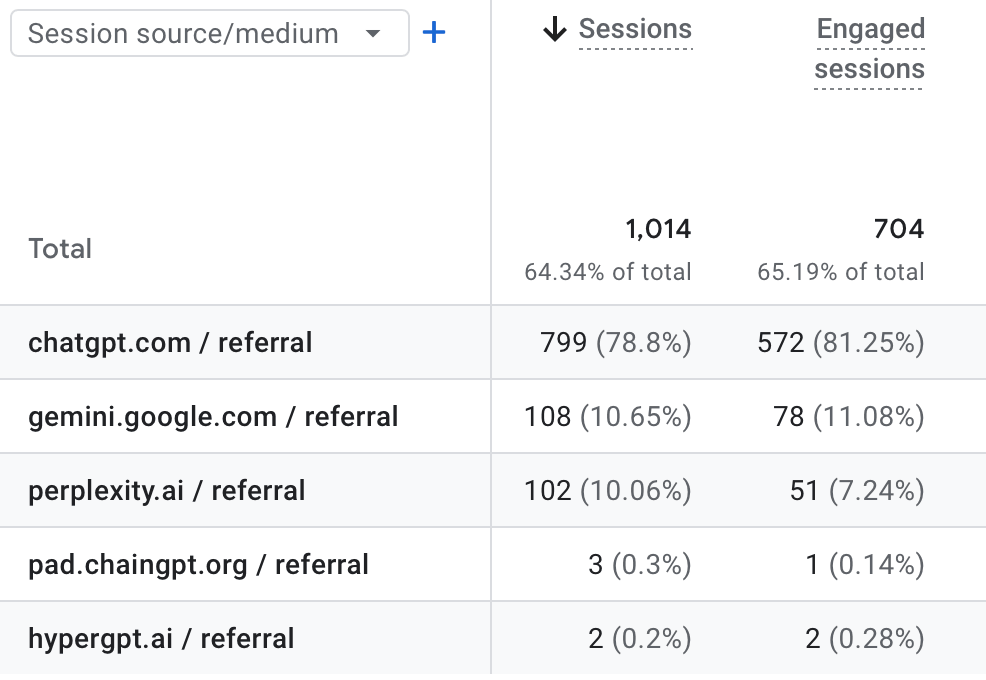
The site also saw over 1k visits from LLMs like ChatGPT and Gemini during this period.
You’ll learn:
 Why digital PR has become one of the most powerful ways to build authority in both traditional and AI-driven search
- How to identify whether your business is ready for an earned media campaign, and how to build a plan that doesn’t require paying thousands for a PR agency
- How to build a newsworthy story from scratch, place it in front of the right media, and measure whether it actually worked
If you’d prefer to watch rather than read, I cover some of the key insights in this video.
To start, here’s some context about the client and the situation that brought them to us.
The Challenge
The client is a financial investment platform who were looking to expand their visibility and presence in the UK market.
They weren’t struggling because they lacked expertise or great content. They had both, and a history of results to prove it. The problem was that search had changed around them, and their visibility hadn’t kept up.

On-site work had taken them as far as it could for now. To move forward, they needed something that would extend their reach beyond their own site, build their reputation in places where their audience was actually paying attention, and give AI search systems the kind of third-party validation they are actively looking for.
What they needed was a digital PR campaign with a search-first strategy.
They didn’t have a system for generating press coverage. They hadn’t built relationships with the publications their audience trusted. And they had no process for turning their internal expertise into the kind of newsworthy stories that get picked up, linked to, and cited by AI search tools.
That’s where we came in.
What Is Digital PR?
Before we get into the mechanics of what we did, it’s worth clarifying what we mean by digital PR.
It’s often confused as part of traditional marketing, but they’re not the same thing and that difference is what makes this approach effective.
Marketing is the content you publish on your website, social channels, email list, or any other owned channel. You control the message, the timing, and the format. Everything is tightly moderated. If something doesn’t land, you tweak it and try again.
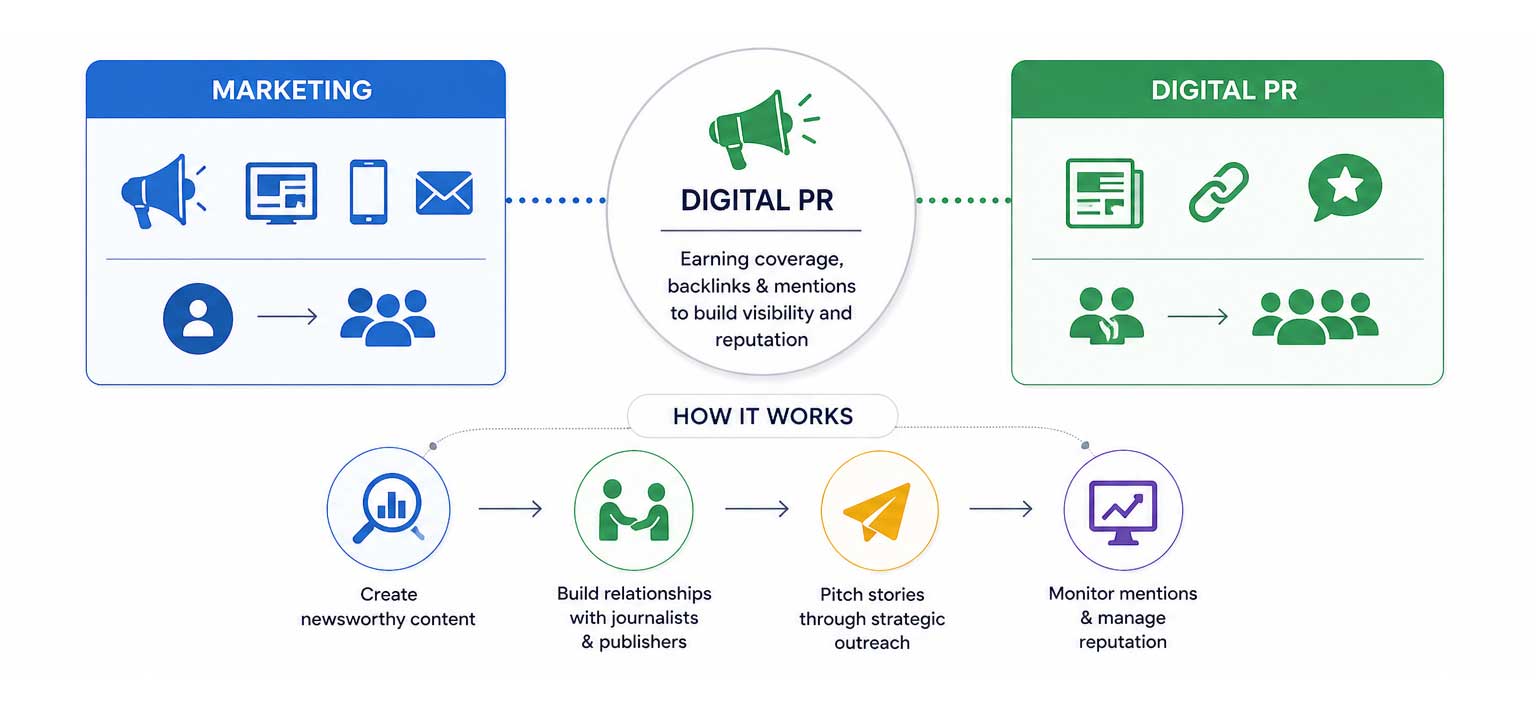
Digital PR (also known as online public relations) is different. It’s about building your brand’s visibility and reputation by earning coverage, high-quality backlinks, and positive mentions across trusted digital platforms.
In short: marketing speaks to your own audience, PR speaks to someone else’s: through publications, journalists, bloggers, or creators they already trust.
That “earning” is key. You can’t buy credibility, you have to deserve it.
In practice, digital PR usually involves creating genuinely newsworthy content (such as original research or data-led stories), building relationships with journalists and publishers, pitching relevant stories through strategic outreach, and monitoring brand mentions to manage your reputation.
For example, Vanarama ran a digital PR campaign where they created an interactive 3D rendering of what an Apple Car might look like based on publicly available patents.
By giving journalists and tech bloggers something unique and visual to cover, the campaign was picked up by outlets like HypeBeast, Mashable, and Tech Times. These are all high domain authority sites whose links provide value and whose validation means something.

Done well, digital PR increases both visibility and credibility, and because it often results in authoritative backlinks, it also strengthens your presence in search results.
Why Does It Matter More Than Ever For Search?
Traditional SEO has always valued backlinks as a ranking signal, but the nature of these signals has evolved. A link from a high-authority editorial source carries significant weight, signaling to Google that a trusted third party deems your content credible.
With the rise of AI search, the importance of this is only accelerating.
In fact, global communications firm Edelman has described the current moment as the “Golden Age of Earned”, driven by the rise of AI search and generative discovery. As AI systems increasingly pull answers from credible third-party sources, editorial coverage, expert commentary and independent recommendations are becoming the signals that shape visibility online.
Large language models like ChatGPT, Perplexity, and Google’s AI Overviews don’t just pull answers from your website. They synthesize information from across the web and are heavily biased toward trusted sources.
Right now, that trust is built through the kind of third-party validation PR provides: editorial coverage, independent brand mentions, expert commentary, and research cited across authoritative domains.
Here’s an example…
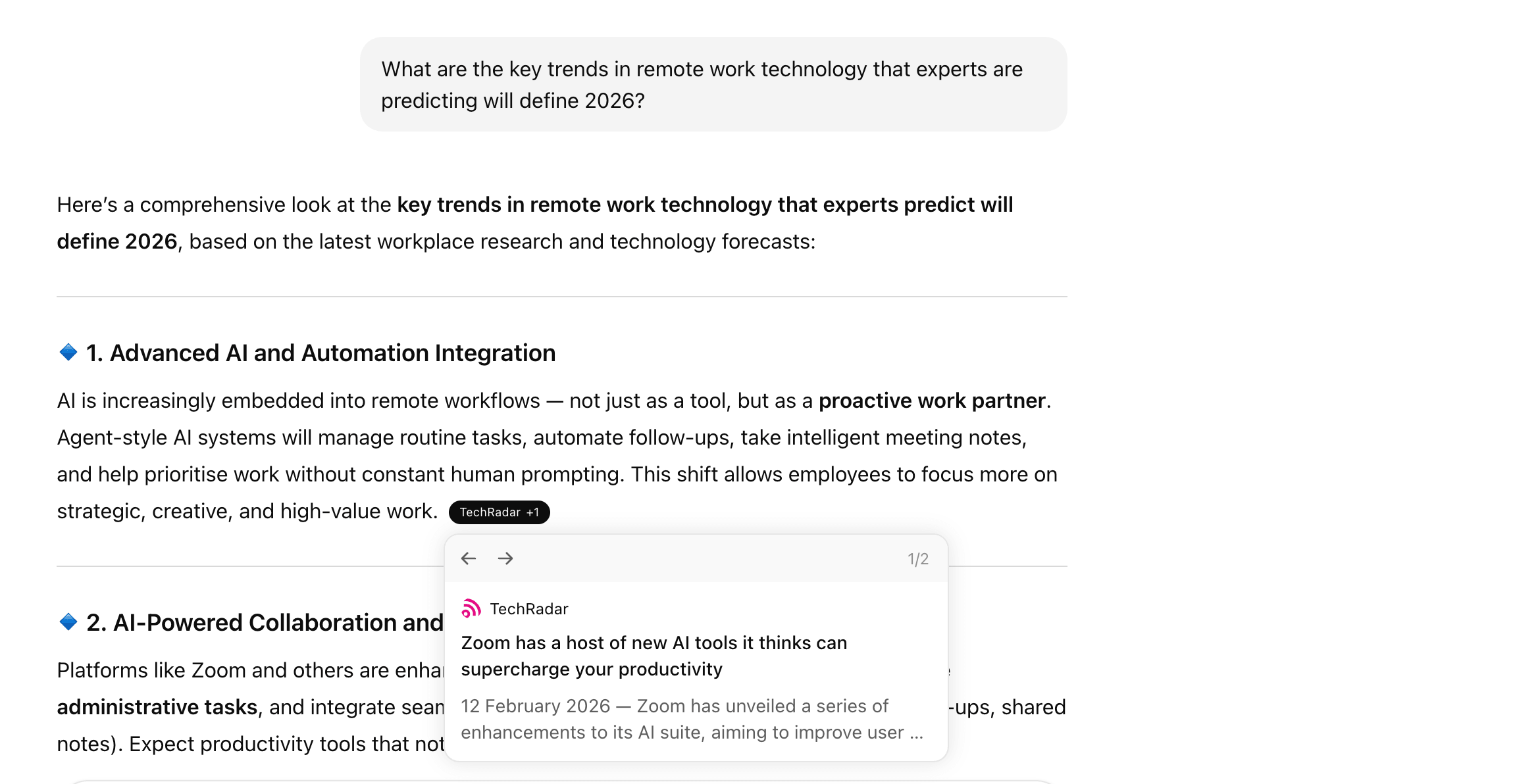
If you ask ChatGPT:
What are the key trends in remote work technology that experts are predicting will define 2026?The tool names Advanced AI and Automation Integration as the first trend, and the cited source is this press coverage of Zoom’s AI Companion feature.
There’s data to back it up too.
Research into AI citation patterns by Hardnumbers shows that editorial media is the most influential source of information, making up 61% of the total responses generated by LLMs.
When AI systems see your brand mentioned and recommended across the internet, whether in newspapers, industry publications, niche media, or expert roundups, they begin to treat you as an authority worth citing.
Take Caraway as an example, they regularly appear in AI answers to queries like “best ceramic cookware set.”
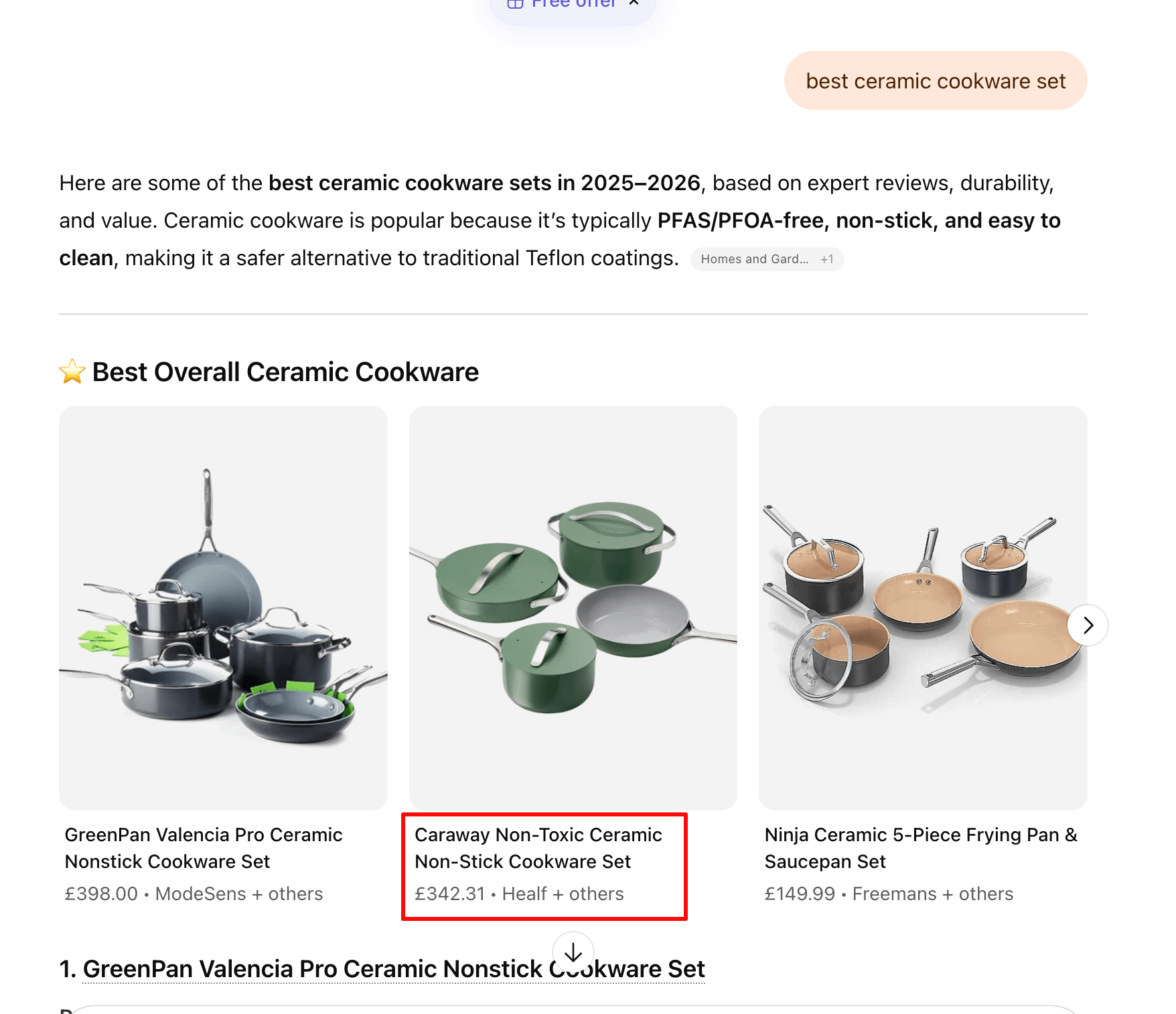
A key reason for this is the brand frequently featuring in high-authority editorial lists from publications such as Good Housekeeping, Food & Wine, and Taste of Home.
When AI systems generate recommendations, they often cite these articles, so the brands mentioned in them are far more likely to appear in the final AI-generated answer.
If they don’t see your brand, they’re likely to recommend your competitor.
This is why digital PR and search are now more closely intertwined than ever. A search-first approach to PR, which prioritizes link equity, brand signals, and AI citation patterns from the outset, is one of the highest-value investments a business can make in 2026.
Executing a Successful Digital PR Campaign
Here’s how we approached this, step by step, and how you can apply the same process.
When Digital PR is Right for Your Business
Digital PR can drive massive value for the right businesses, but it’s not always the right move at every moment.
To avoid wasting resources, time, and potentially damaging relationships, make sure you’re prepared for a successful PR push.
Key Indicators You’re Ready for Digital PR
1. A Unique, Credible Point of View – Does your business offer a perspective only you can provide? Journalists are always looking for fresh insights. It doesn’t need to be controversial, but it should be something that stands out and adds value.
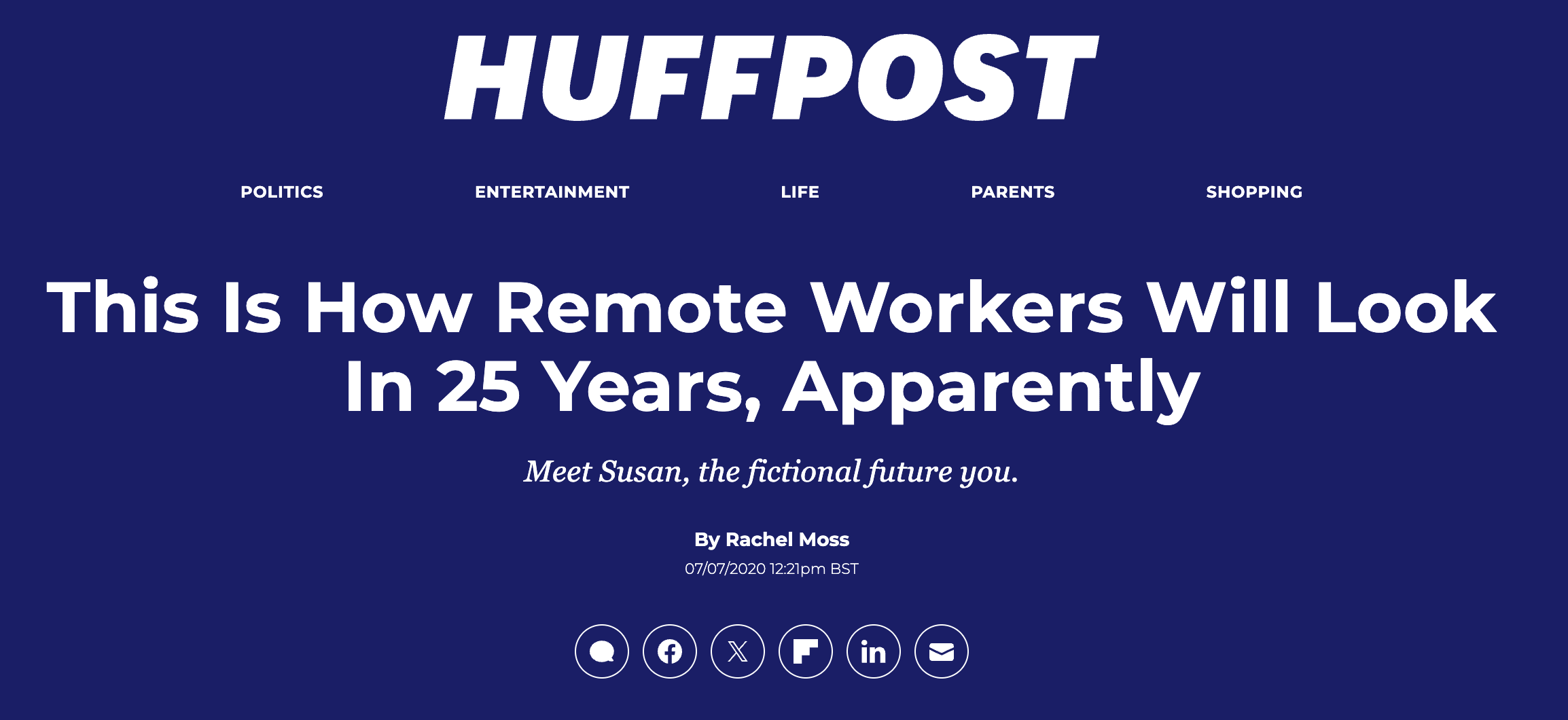
For example, Direct Apply ran a campaign called “The Future Worker”, where they imagined what remote workers might look like in 25 years with eye-catching visuals.
That unique angle got picked up by high Domain Authority outlets including HuffPost and The Daily Mail, generating widespread coverage and backlinks because it offered a fresh perspective tied directly to their brand and audience.
If your perspective is unique and directly tied to your experiences, this is a strong indicator that you’re ready to pitch.
2. Strong, Shareable Assets – If you’ve got research reports, case studies, or high-quality visuals waiting in the wings, that’s PR gold.
Journalists are always looking for content they can easily incorporate into their work. If you can offer them something they’d otherwise have to create themselves, you’re ahead of the curve.
For example, SoundCloud publishes an annual report full of original data about the most interesting music scenes and consumption trends.
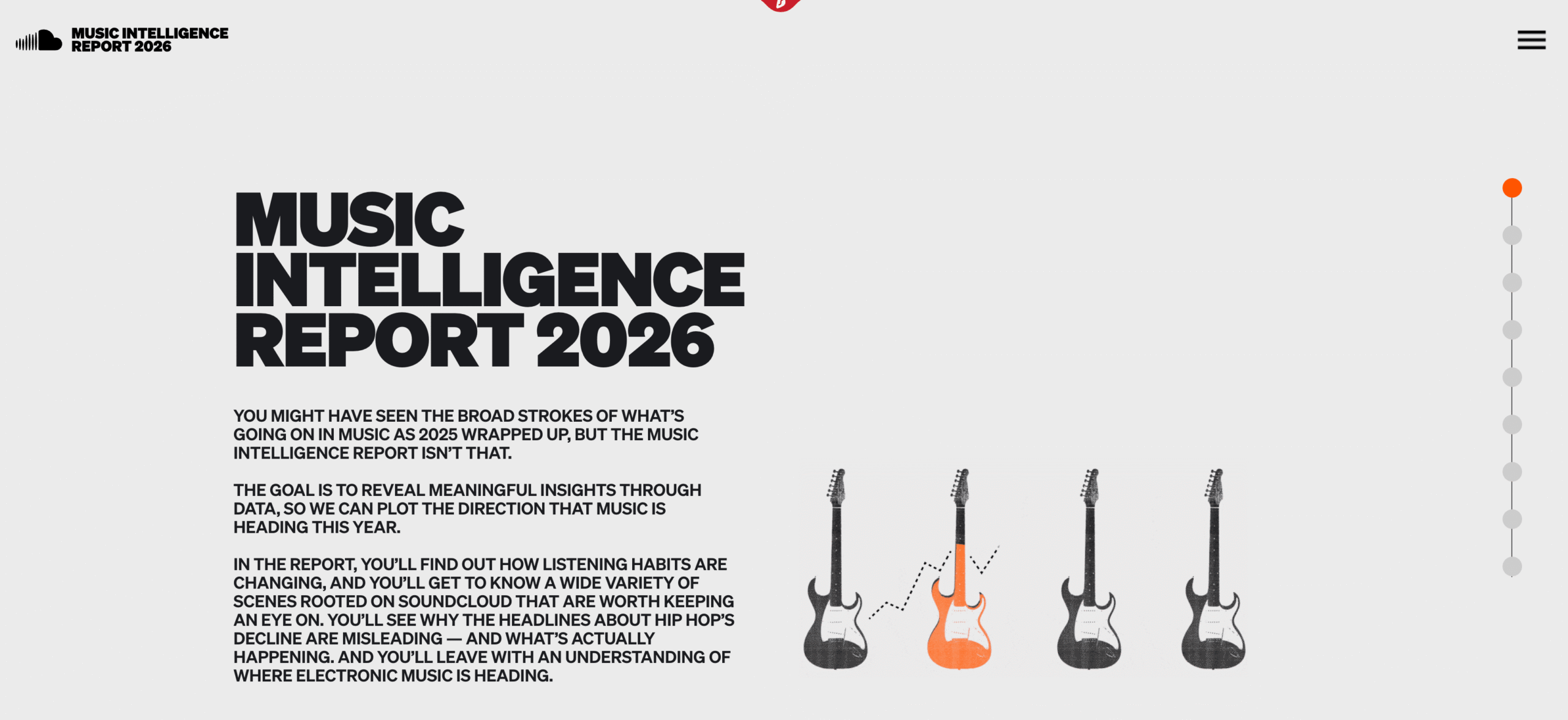
This kind of report earns hundreds of backlinks and wide media coverage each year because it gives journalists ready-made insights and stats they can reference.
3. A Big Upcoming Event or Moment – A product launch, company rebrand, or milestone anniversary creates a natural hook for the media.
For example, when Apple unveils its latest iPhone model each year, the announcement becomes major global news.
Journalists from tech, business, and mainstream outlets all cover the launch because it’s a highly anticipated event with immediate relevance and news value, resulting in thousands of media mentions and huge earned media exposure.
These are the kinds of moments journalists love, as they have an immediate relevance and news value. This news hook can dramatically increase the likelihood of media coverage.
4. Restrictions on Paid Advertising – Businesses in regulated industries often face restrictions on how they can advertise, making earned media (PR) a vital strategy.
For example, medical cannabis provider Curaleaf Clinic tested street‑sourced cannabis for contaminants and turned the findings into a high‑visibility safety story that was picked up by the NY Post.
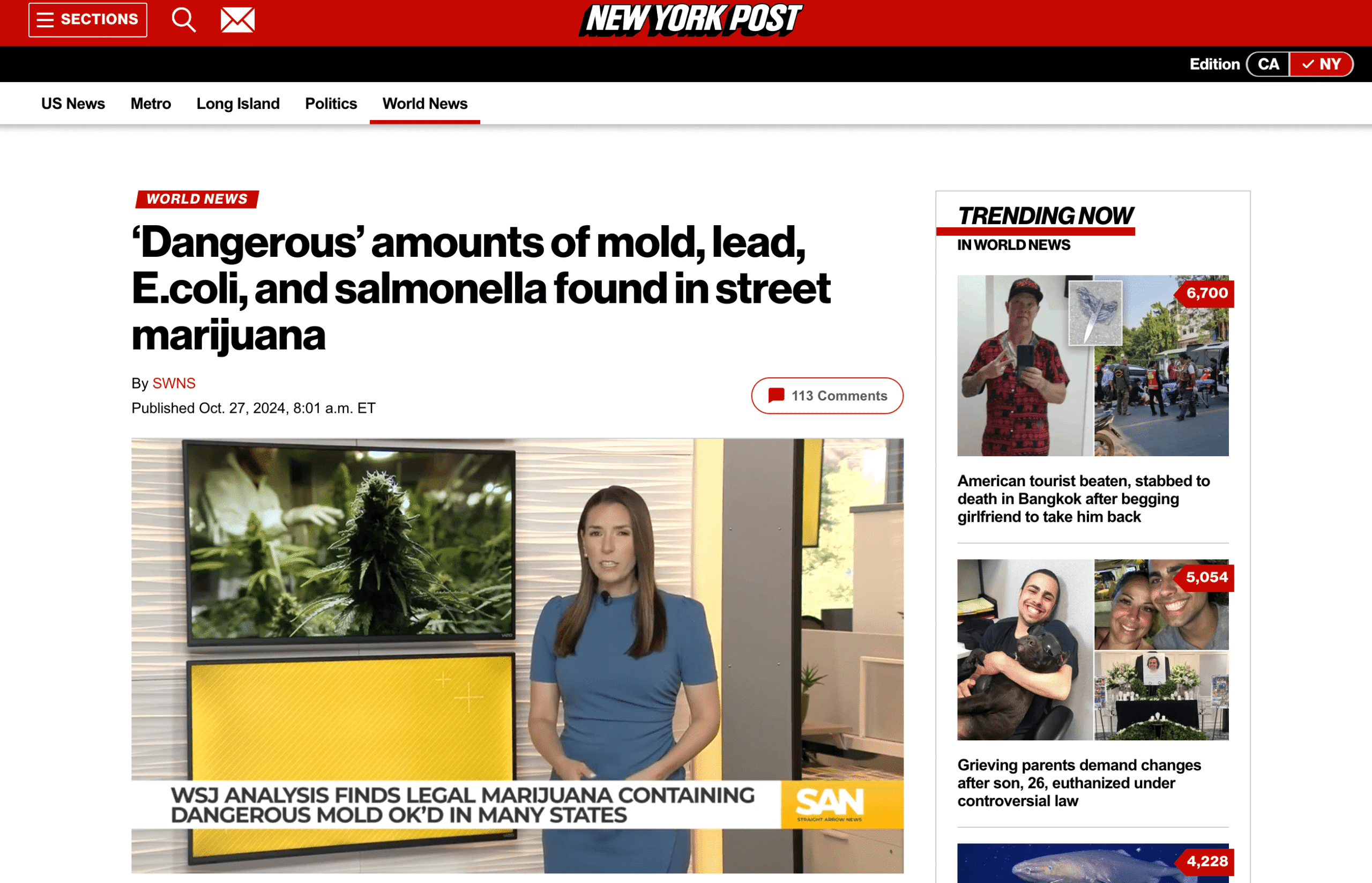
If you operate in a sector like financial services or healthcare, where paid promotion can be tricky, PR is a way to sidestep these hurdles while reaching a wide audience.
Identifying Your Audience Before You Write a Word
This is the step that separates PR campaigns that land from PR campaigns that disappear into inboxes never to be seen again.
Before you think about what you want to say, you need to know exactly who you’re trying to reach, and more importantly, which publications and journalists already speak to those people.
Define Your Audience
 B2C – When targeting consumers, think about who your ideal customers are (e.g., families, tech enthusiasts, millennials) and what their pain points or interests are.
- B2B: For B2B campaigns, focus on decision-makers such as CEOs, marketing directors, or HR managers. Understand the challenges they face and how your product or service can help. For instance, Salesforce targets business leaders who need customer relationship management (CRM) solutions to streamline their operations.
This distinction shapes your messaging and the outlets you approach.
Where Does Your Audience Spend Time?
Once you know who you’re trying to reach, the next step is understanding what sites they already visit.
A common mistake in digital PR is targeting the biggest publications by default. In reality, audiences are spread across industry blogs, mainstream media, niche newsletters, podcasts, and online communities. The goal is to map the ecosystem that already shapes their opinions.
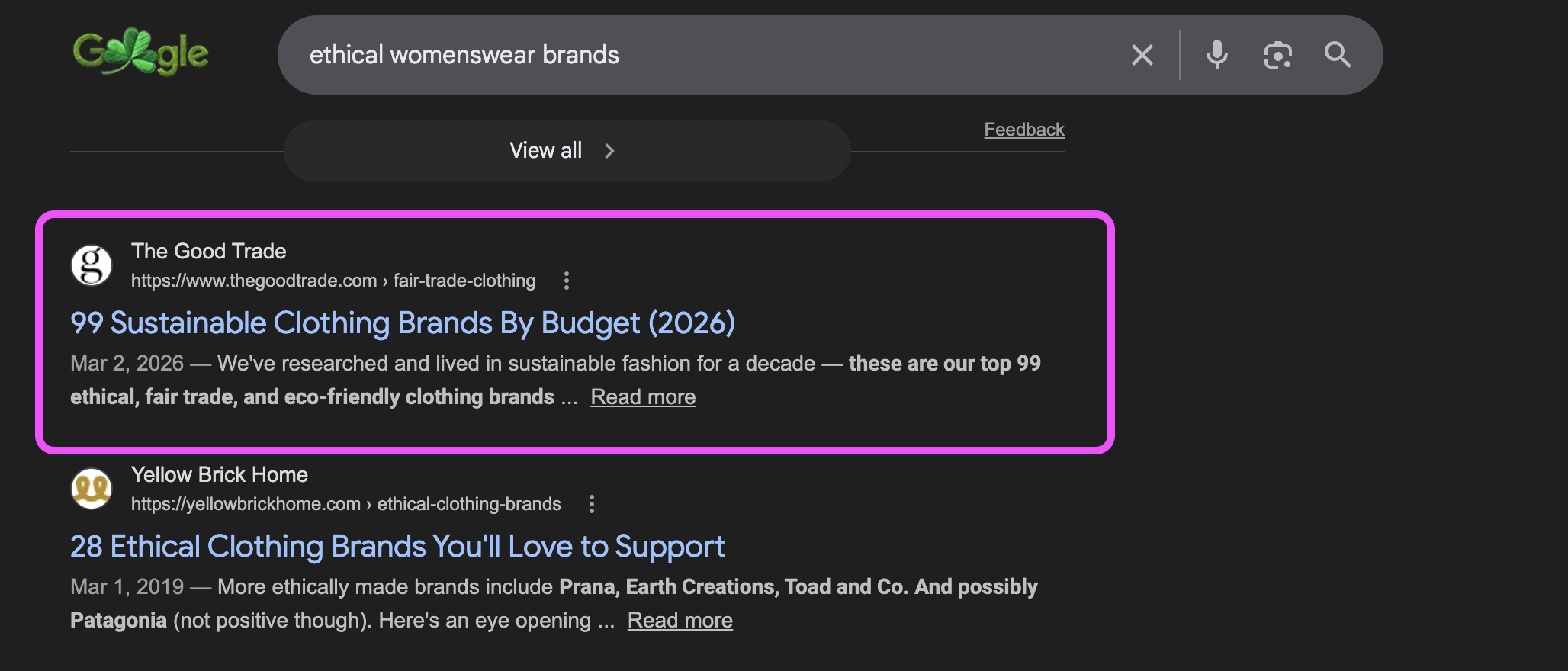
A good starting point is basic Google search. Look at the topics your audience is researching and identify which publications repeatedly appear in the results. If the same outlets show up across multiple related keywords, it usually means they hold authority in that space.
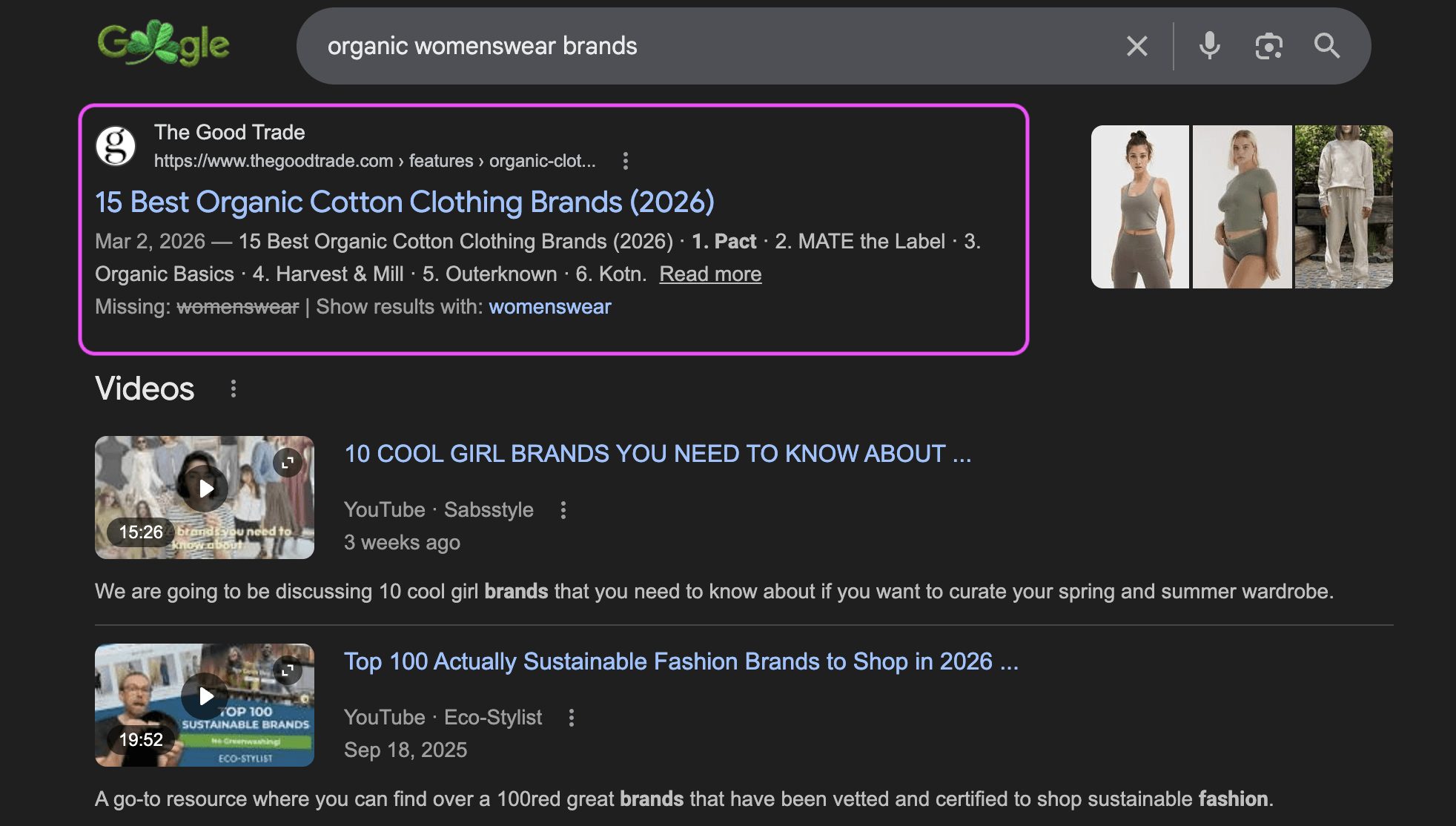
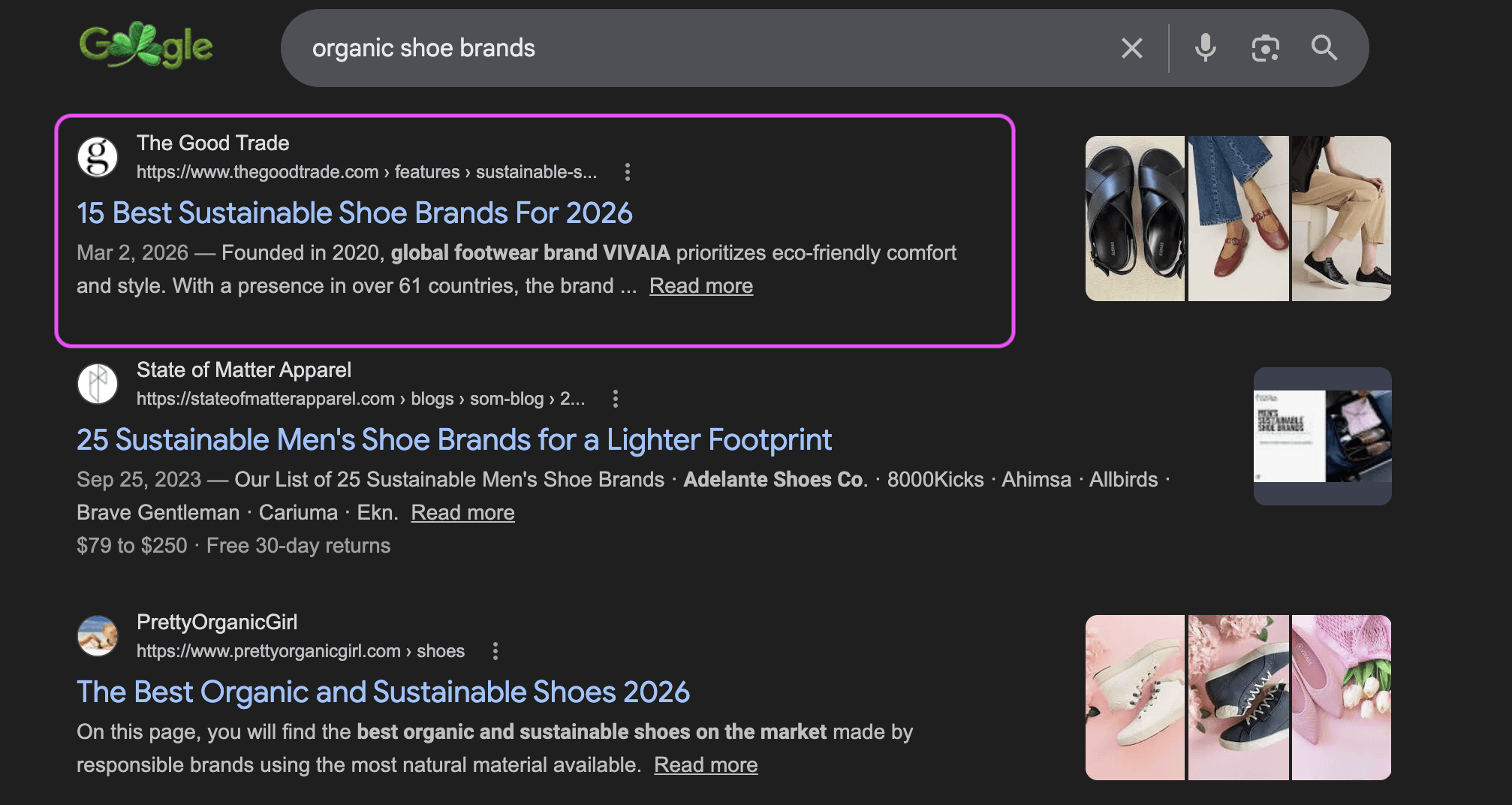
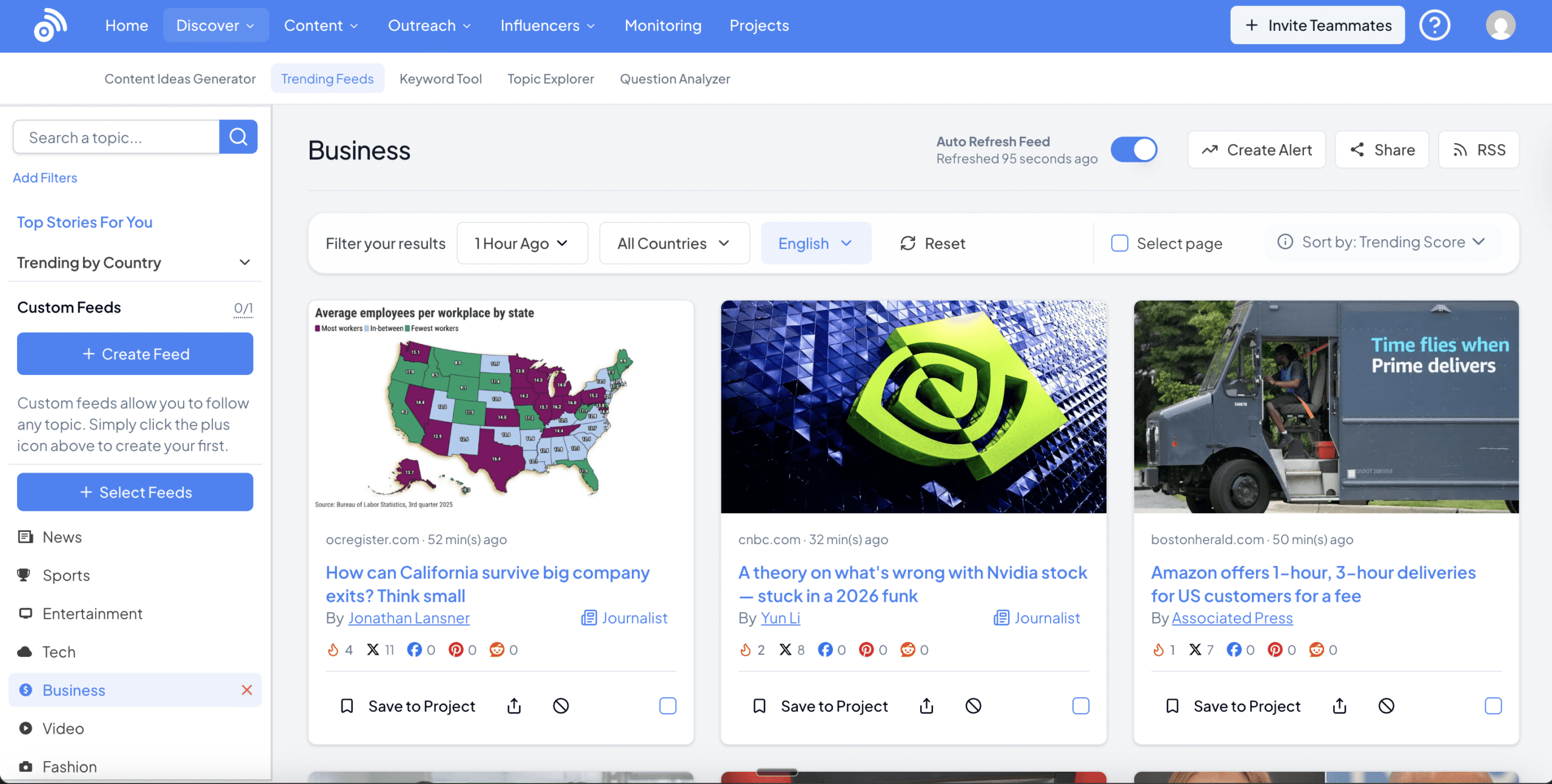
SEO tools can speed this process up. Platforms like SEMrush or BuzzSumo reveal which articles attract the most links and engagement around a topic. This makes it easier to see which publishers consistently earn attention and backlinks.
Competitor backlink analysis is another useful shortcut. By reviewing where competing brands earn editorial links in tools like Ahrefs, you can quickly uncover publications that already cover stories in your niche.
Audiences also gather in places that are not traditional media outlets. Communities on Reddit, LinkedIn, and specialist forums often surface conversations before journalists pick them up. When a topic begins to gain traction in these spaces, it is often a signal that a story is beginning to form.
By the end of this stage you should have a clear sense of where your audience reads, who influences them, and which platforms shape the conversation around your industry.
Analyze Journalists and Publications
Once you know which outlets matter, the next step is understanding the journalists behind them.
- Most reporters cover specific topics and tend to structure their stories in consistent ways. Some rely heavily on original data, while others prefer expert commentary or trend-based analysis. Understanding these patterns can make the difference between a pitch that gets ignored and one that gets coverage.
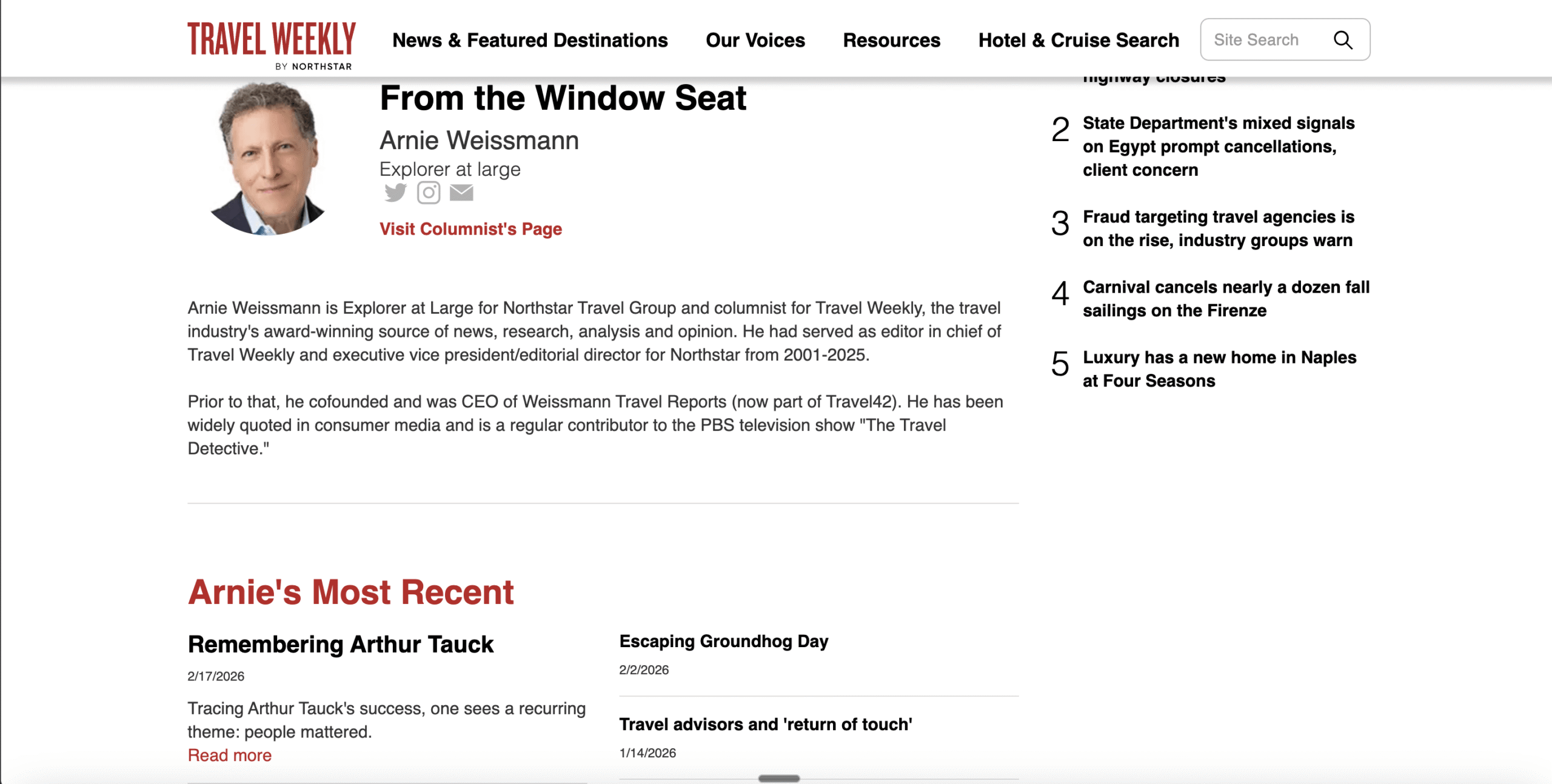
- Review recent articles written by journalists covering your space. Look at how the stories are framed and what sources they rely on. If many articles begin with statistics or research findings, that is a strong signal the journalist values original data. You can usually find writer profiles and links to recent articles on the publication site, like this one from Travel Weekly:
- Platforms like Muck Rack can help identify journalists who frequently write about your industry and track their recent work — but plans can be expensive, so take that into consideration.
- For SEO-driven campaigns it is also worth considering the authority of the publication itself. Coverage from sites that rank strongly in search results tends to carry greater long term value through backlinks and visibility. Tools like SEMrush, Ahrefs or Moz can help assess this.
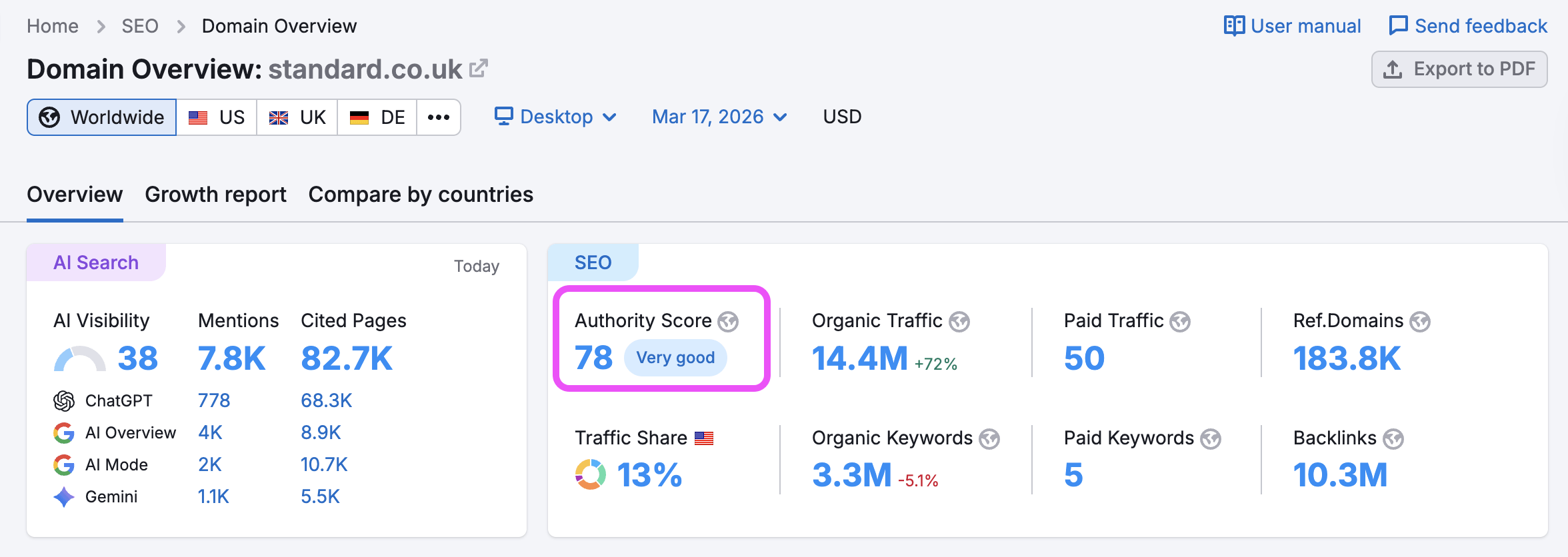
- Smaller outlets should not be overlooked. In many industries niche publications are where stories begin before they spread to larger media brands. Understanding the role each outlet plays helps you prioritise outreach and build momentum for a campaign.
Find Gaps in the Conversation
Strong PR campaigns rarely repeat what has already been written. They add something new to the discussion.
Start by reviewing the most widely linked or shared articles around your topic using tools like BuzzSumo or Ahrefs Content Explorer – which you can see below. In many cases you will notice that several pieces rely on the same statistics or reference the same studies. That repetition usually signals an opportunity.
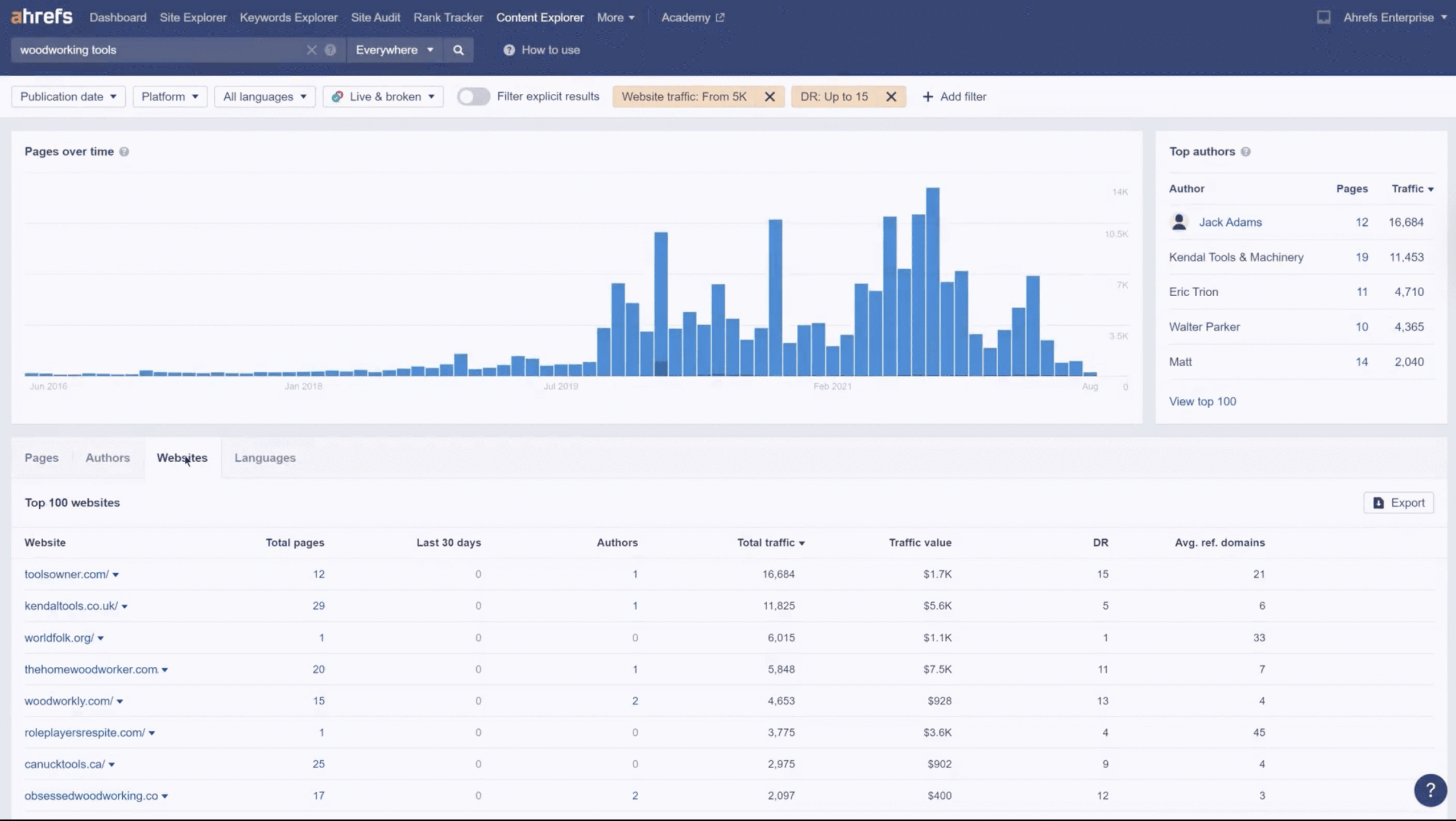
When journalists repeatedly cite the same sources it often means there is a shortage of fresh data. Creating new research through surveys, industry analysis, or proprietary data can quickly make a story more attractive.
Another way to identify opportunities is by looking for questions that existing coverage leaves unanswered. Tools like AnswerThePublic can help surface the questions people are asking around a topic.
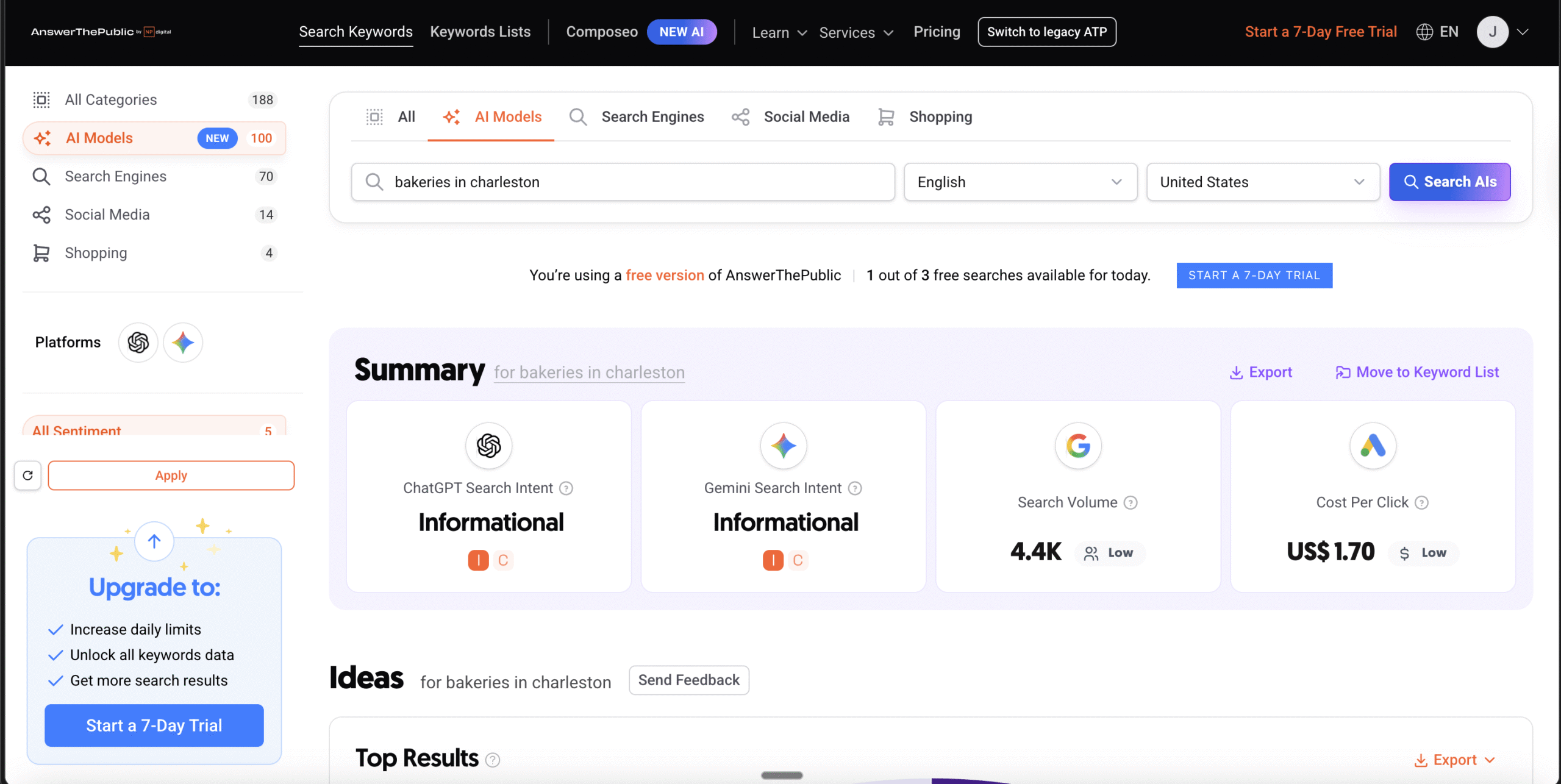
For SEO-focused campaigns these opportunities often become linkable assets such as research studies, data reports, or industry analysis that journalists can reference and link back to.
Understanding What You Already Have
Before creating anything new, take inventory of the assets already inside your business.
Many companies assume they need to launch large research projects to generate coverage. In reality valuable insights often already exist in internal data, past surveys, or customer behaviour patterns.
Here’s how to identify what’s available:
1. Review Existing Research and Data
2. Tap into Internal Data
3. Identify Trends You’ve Already Noticed
4. Leverage Expertise and Thought Leadership
5. Capitalize on Business Milestones or Objectives
The goal at this stage is to build a clear picture of the raw materials available before deciding what kind of campaign to run. What you have shapes what’s possible. And what’s possible shapes what will actually get picked up.
Creating a Newsworthy Story
There are a few proven approaches that can help you uncover compelling angles and once you understand them, you’ll start seeing stories in places you might have missed before.
Data Studies
One of the most reliable ways to create newsworthy content is through data studies. You can commission original research or use surveys to gather insights.

The trick is in how you structure your questions. Instead of asking simple yes-or-no questions, use scaled questions that provide a range of responses. Just like in this story from MX8 Labs featured in The Measure.
For example, if you’re working with a financial advice platform, rather than asking, “Do you worry about debt?” you might ask, “How often do you find yourself worrying about your financial situation?” with options ranging from “never” to “constantly.”
This approach gives you a spectrum of responses that you can use to create a story.
The data might reveal that a large portion of adults worry about their finances regularly, which is a clear news hook that also positions your company as a conversation leader in this field.
Newsjacking
Newsjacking is another highly effective strategy when executed properly.
If there’s an ongoing news story or trend that aligns with your business’s expertise, offering a timely, informed perspective can be a great way to insert your brand into the conversation.
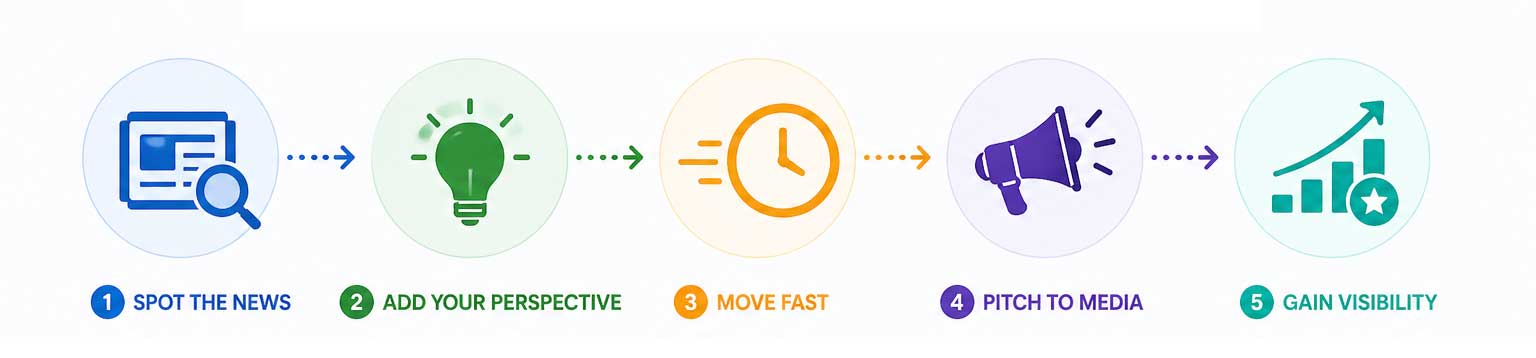
Speed is key here, so getting your pitch out while the story is still developing is crucial.
For example, during a major financial crisis, a financial advisory firm could offer expert commentary on the impact of the event on everyday consumers, providing a valuable source of insight that will enrich the story.
This is also a great way for restricted or specific niches to gatecrash a more mainstream publication. An excellent example of this is when UK adult brand OnlyGuider launched a story about female college students being more likely to join OnlyFans as a result of recently-announced government increases to tuition fees.
Creative Campaigns
Journalists are often on the lookout for something they can embed into their articles, whether it’s an interactive calculator, a data visualization, or a well-produced short video.
These work just as well at a national level as they do at a local level, like this real estate company’s Cost of Living in North Carolina Calculator.
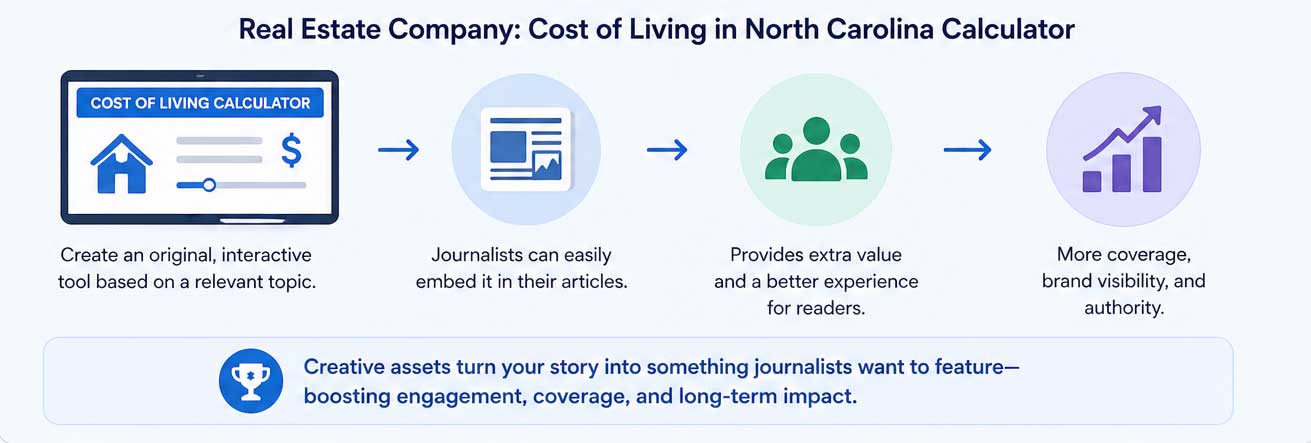
These types of assets not only make your story more engaging but also provide additional value for the publication. Think about it: an original tool, like a savings calculator tied to a specific financial trend, can become the centerpiece of your PR campaign and get picked up because it enhances the content of the article.
Expert Commentary
If your CEO, for example, has a unique insight into a developing trend, make sure to highlight that. A CEO who offers a precise, confident perspective on the direction of the market is far more appealing to journalists than a generic statement like, “We’re seeing change in the industry.”
This can be as simple as these collated opinion pieces from a number of travel industry CEOs and experts on the emerging destinations for Western tourists – which adds weight to an otherwise very thin piece of content.
The more specific and confident the viewpoint, the more attractive it is to editors.
Seasonal Content
Seasonal and timely content gives you a built-in reason to pitch your story. If you know your audience pays attention to certain events or trends during specific times of the year, align your PR efforts with those moments.

Whether it’s a major holiday, an industry conference: tie your campaign to it. This makes your pitch more relevant to journalists who are already planning to cover those topics, sometimes months in advance.
An excellent example of this is UK bank Natwest releasing their 2024 ‘Scamvent Calendar’ – a rundown of all the financial fraud scams their customers needed to know about and avoid.
Writing Your Story and Your Press Release
Once you’ve got your data, angle, and assets ready, the final step is to write a press release journalists will actually use. The single most important rule is simple: don’t bury the lead.
Structure your press release like an inverted pyramid.
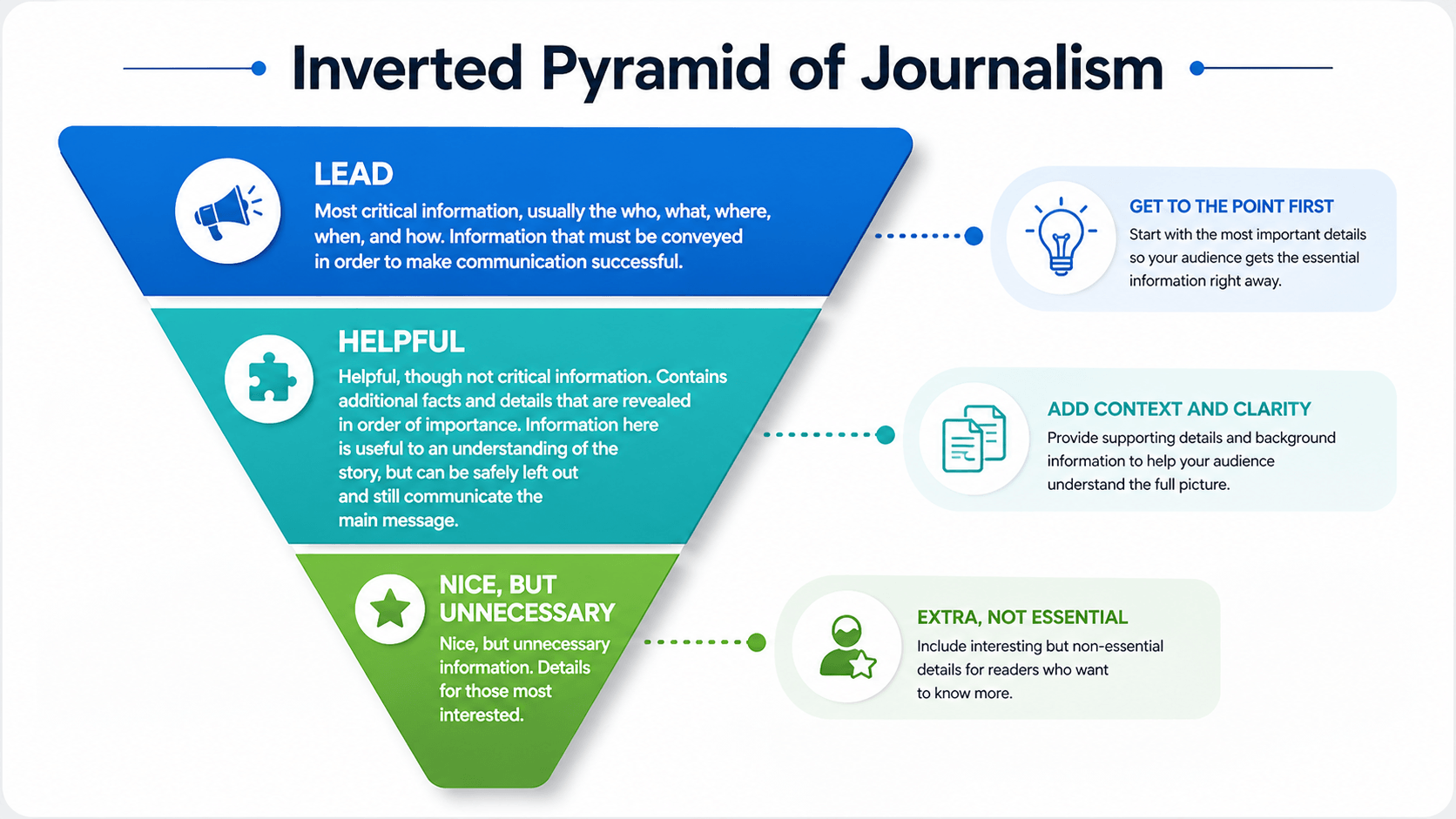
The most important information goes first. The next most important information comes second. And everything else, quotes, methodology notes, background on the company, supporting statistics, follows in descending order of importance.
A journalist who has less than sixty seconds should be able to get the core of the story from the first two sentences.
A journalist who has two minutes should find everything they need to write a full feature buried nowhere.
This makes it easy for journalists to scan your release and still grasp the story, even if they read only the first few lines.
Here’s a template you can use for your own press releases:
 Headline – A concise, attention-grabbing sentence that conveys the essence of the news. Focus on what makes this news important to the audience.
Example: XYZ Company Launches Revolutionary Fitness Tracker that Increases Workout Efficiency by 30%
- Dateline – The location and date of the release.
Example: New York, NY – March 1, 2026
- Press Release Lead-in – The lead is the single most important sentence in the entire document. It’s the one sentence that tells a journalist exactly what the story is.
If they read only that sentence and nothing else, they should know whether this is relevant to them or not. Everything that follows adds context, depth, and color, but the lead is what decides whether they keep reading.
Example: XYZ Company today announced the launch of its new fitness tracker, the ABC Tracker, designed to help users optimize their workouts with advanced real-time data and personalized insights.
- Key Facts – Include the most important details about your news. Focus on findings or updates that are new or surprising.
Example: The ABC Tracker helps users track their heart rate, sleep patterns, and caloric burn. Early beta testers have reported a 30% improvement in workout efficiency. Available for purchase on March 1, 2023, at XYZCompany.com. Priced at $199.99.
- Quote – Add at least one relevant quote from an executive, spokesperson, or partner.
This doesn’t just add credibility, it positions that person as the authoritative voice on this subject, the one that journalists will want to go back to for follow-up comment, future stories, and expert perspectives on related developments.
Example: “‘The ABC Tracker represents a significant leap in fitness technology,’ said John Doe, CEO of XYZ Company. ‘It’s designed for both professional athletes and casual fitness enthusiasts who want to maximize their results.’”
- Call-to-action (CTA) – Direct the journalist and reader to take a specific action, such as visiting your website or signing up for an event.
Example: “To learn more about the ABC Tracker and to place an order, visit www.xyzcompany.com”
- Boilerplate – This is a brief overview of your company, typically standardized for all press releases.
Example: “About XYZ Company: XYZ Company is a leader in health and fitness technology, committed to helping individuals achieve their wellness goals through innovative products and services.”
- Contact Information – Provide details for a press contact who can handle inquiries.
Example: Jane Smith, PR Manager, XYZ Company, Phone: (123) 456-7890, Email: jane.smith@xyzcompany.com
- Additional Media – Make sure your supporting assets are ready before you send a single pitch.
Include any high-quality images, videos, or other assets that journalists can use in their stories. This makes your press release more engaging and shareable.
Here’s an example of Robinhood, who have a dedicated Press page on their website with links to relevant media assets like photos of their team, their products and logos.
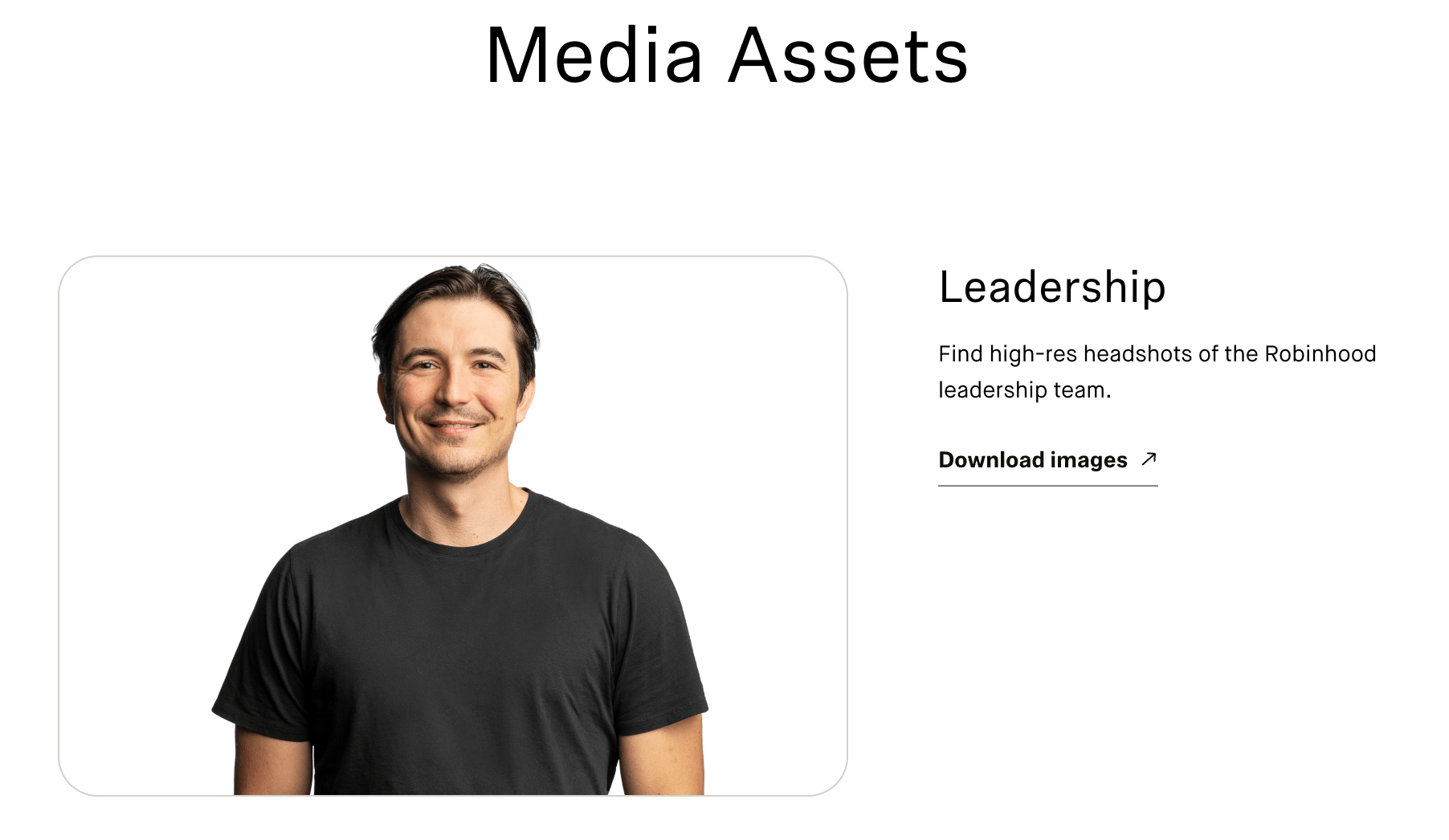
The easier you make it for a journalist to publish your story, the more likely they are to do it. Their time is limited, their inboxes are full, and anything you can do to reduce the work on their end increases your chances significantly.
Pitching to Journalists
This is the part that many people find most intimidating, and it’s understandable. Cold outreach to journalists can feel uncertain, particularly if you don’t have established relationships. But it becomes much less daunting when you approach it with a clear structure.
- Build Media Lists – Segment by topic, publication type, and audience demographics
This list should be specific to the campaign and specific to the story.
Identify the journalists who cover the topics most relevant to your angle at the publications your audience trusts most.
Look at what those journalists have written recently. What subjects do they keep returning to? What kinds of sources do they cite? The more you know about a journalist before you reach out, the better you can tailor your pitch.
- Personalize Whenever You Can – Reference recent articles and explain the specific relevance to their coverage area.
- Time Strategically – Avoid weekends, Mondays, and late afternoons; pitch Tuesday-Thursday mornings
Timing matters more than most people realize. Tuesday through Thursday mornings tend to work best.
Mondays are consumed by weekly planning meetings.
Fridays are for wrapping up. Weekends are dead zones.
If you pitch on a Wednesday at 9am local time to a journalist who covers your subject, you’re catching them when they’re in research mode and their inbox isn’t quite as overwhelming as it will be by Thursday afternoon.
- Master the Subject Line – Be specific, intriguing, and benefit-focused, don’t fall at the final hurdle with “Press Release: Company XYZ”. For example, something like: “Ecommerce Brand Grows Revenue 4x After Dropping Paid Ads” – includes data, relevance and intrigue into just a handful of words.
- Keep it Brief – 150-200 words maximum; get to the point immediately.
When you do pitch, keep it short and make the hook clear in the first sentence. A journalist’s inbox on a busy Tuesday morning is not the place for a lengthy preamble.
Tell them what you have, why it’s relevant to their readers right now, and what you’re offering to give them.
That last part matters: exclusive access to data, an on-record interview with your expert, high-resolution visuals that they don’t have to commission themselves. The offer is what turns a pitch from interesting to actionable.
- Follow Up Thoughtfully – One follow-up 2-3 days later, maximum – accept when you need to let go.
Follow up once if you haven’t heard back in three to five days. Keep the follow-up brief and add a small new piece of information if you have one: a new finding, an additional quote, a development that makes the story more timely.
If they still don’t respond, move on. Not every pitch lands, and not every rejection is about the quality of what you’re pitching.
Sometimes the timing is wrong, sometimes they’ve just run something adjacent, and sometimes the story simply isn’t right for that outlet. Take it on the chin and redirect your energy.
- Provide Value – Make the journalist’s job easier with ready-to-use quotes, graphics, and data.
Here’s a detailed checklist for writing an effective pitch with examples:
1. Hook (1-2 sentences) – Capture the journalist’s attention immediately by showing the relevance of the story.
Start with the key angle that makes your pitch timely or urgent. This is the “why” that answers why the journalist should care right now.
2. The Story (2-3 sentences) – Give a quick overview of the core of your story and what makes it newsworthy. Include key data points, findings, or the angle that the journalist will find interesting.
3. The Evidence (1-2 sentences) – Show the journalist that your information is credible and based on solid research. Include a brief mention of your data source or research methodology.
4. The Offer (1 sentence) – Tell the journalist exactly what you’re offering them that adds value to their story. Offer something they can’t easily find elsewhere, whether it’s exclusive data, an interview with an expert, or a visual asset. Be specific about what makes this pitch actionable.
5. Call to Action (1 sentence) – Give the journalist a clear, actionable next step. Let them know what you’d like them to do next: whether it’s scheduling an interview, reviewing data, or setting up a follow-up.
Measuring Success
Running a campaign is only half the job. Knowing whether it worked, and being able to demonstrate that clearly, is what turns PR from a creative exercise into a business investment with a measurable return.
To effectively gauge your campaign’s success, focus on both quantity and quality metrics, as well as emerging trends in media and AI visibility.
Business Metrics
- Revenue is the ultimate indicator of campaign success. Media coverage and backlinks are valuable only if they translate into meaningful business growth. Tracking revenue alongside SEO metrics helps connect digital PR activity directly to commercial outcomes.
- Organic traffic shows whether the links and authority generated by the campaign are improving search visibility. As new high-authority links are earned, pages begin ranking for more competitive keywords, bringing in a larger volume of relevant users.
- AI Citations and AI Traffic – Search behavior is shifting rapidly as more users turn to AI assistants for recommendations and research.
When AI tools reference your brand in their answers, they are effectively acting as a new form of discovery engine.
Tracking this shows how your earned media is contributing to visibility in AI-driven search results, which is a growing factor for long-term discovery.
There are two options here:
1. Manual – you can manually ask ChatGPT, Perplexity, Claude about your business.
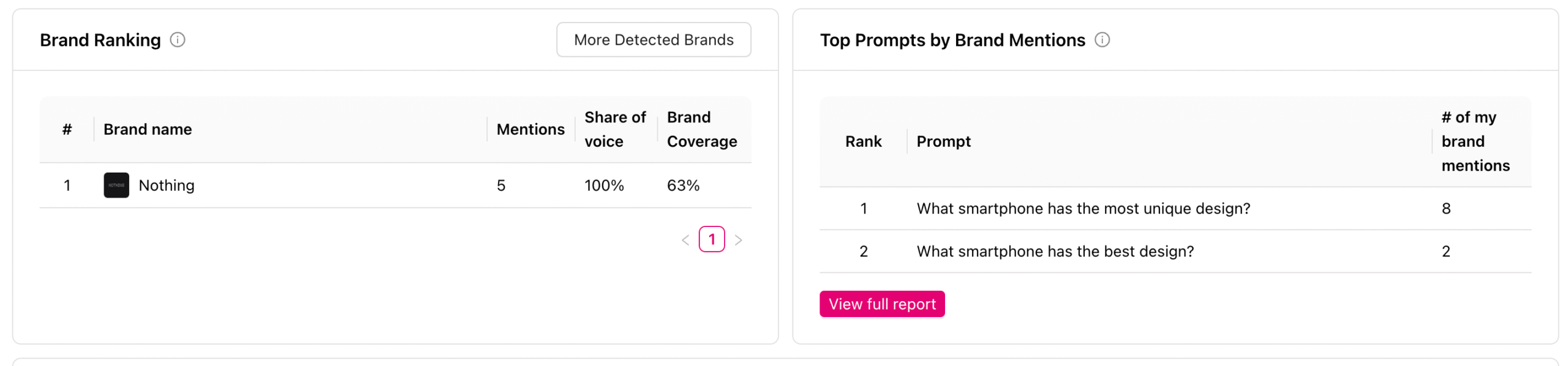
For example, Nothing is a tech company who pride themselves on creating smartphones that look unlike any of their competitors and so this is a big part of their push when it comes to product launches.
When asking ChatGPT about smartphones with the best design, they are mentioned under the “Innovative and Unique” category.
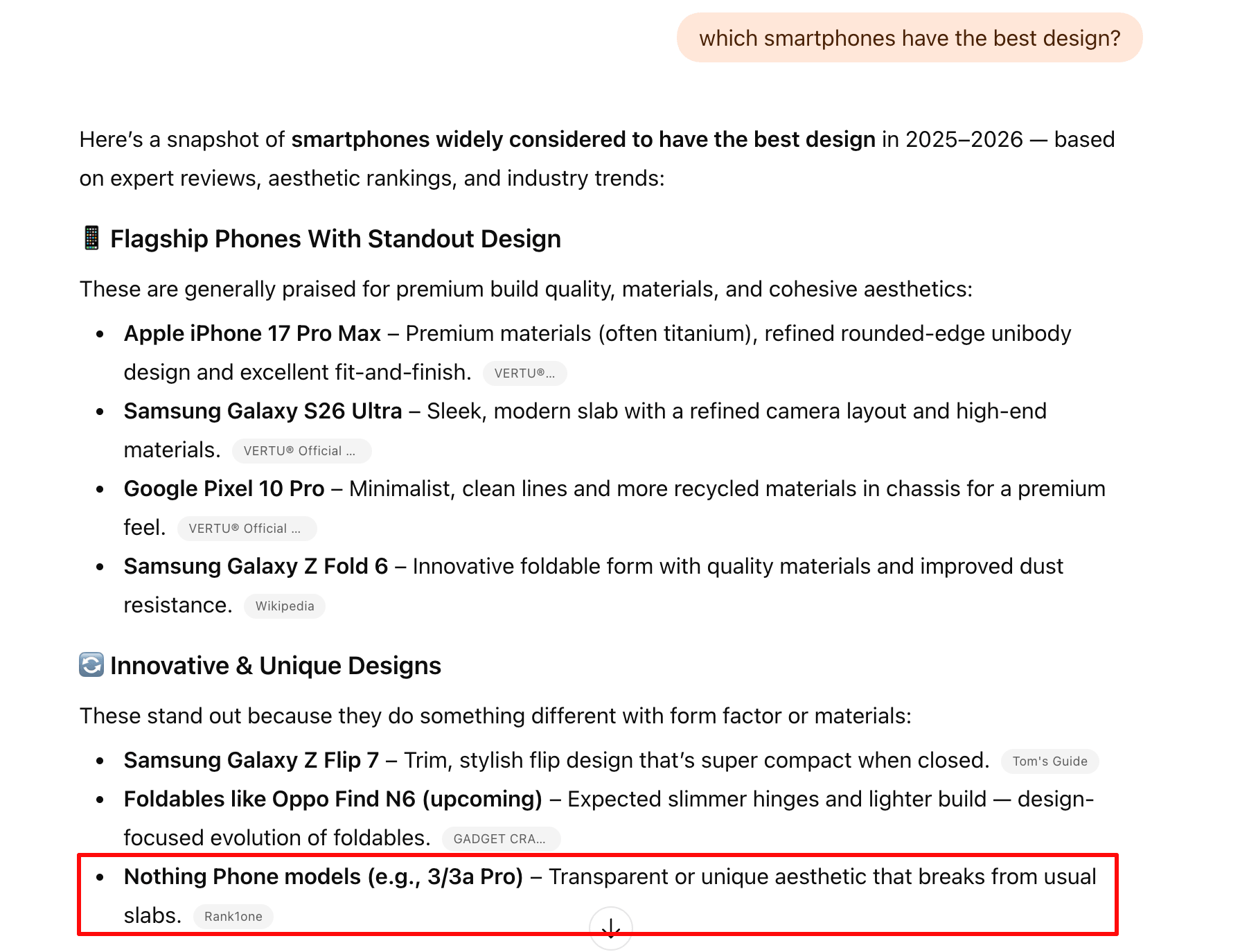
You can run similar prompts based on your Digital PR campaign to see whether LLMs have picked up the story.
2. Tools – there are also several paid tools on the market like Otterly.AI which tracks brand references and URL citations in AI responses across ChatGPT, Perplexity, Google AI Mode, Gemini, and Copilot.
Once inside the Otterly dashboard, go to Prompts and add your Prompts.
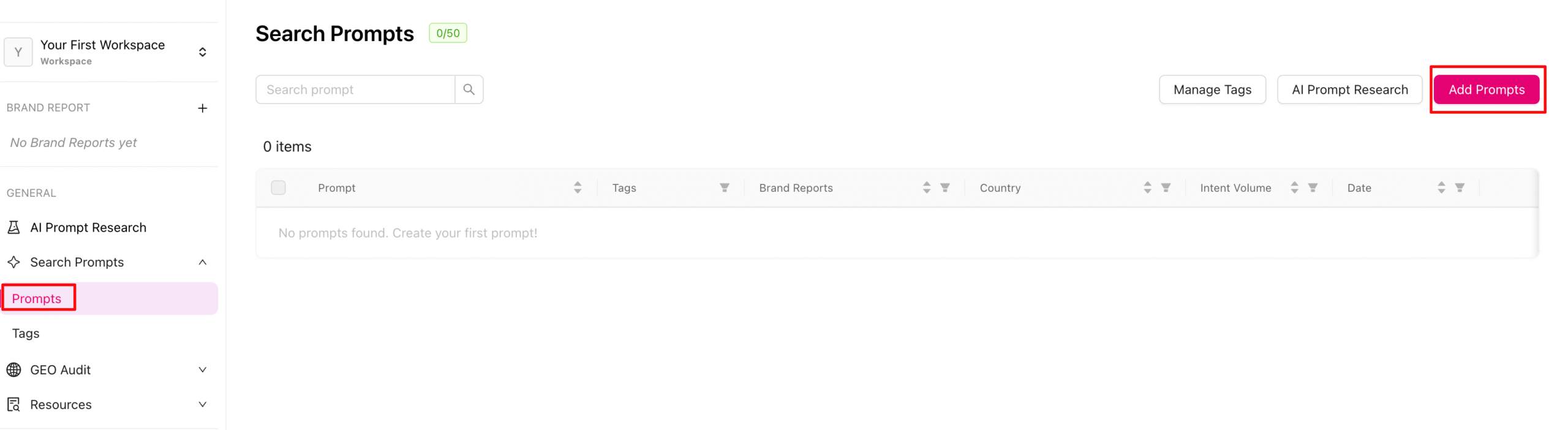
This is where you define the questions your potential customers are asking on AI search engines.
Enter conversational prompts like “What’s the best [your product category] for [use case]?”, not just single keywords. Add several prompts that cover your main topics.
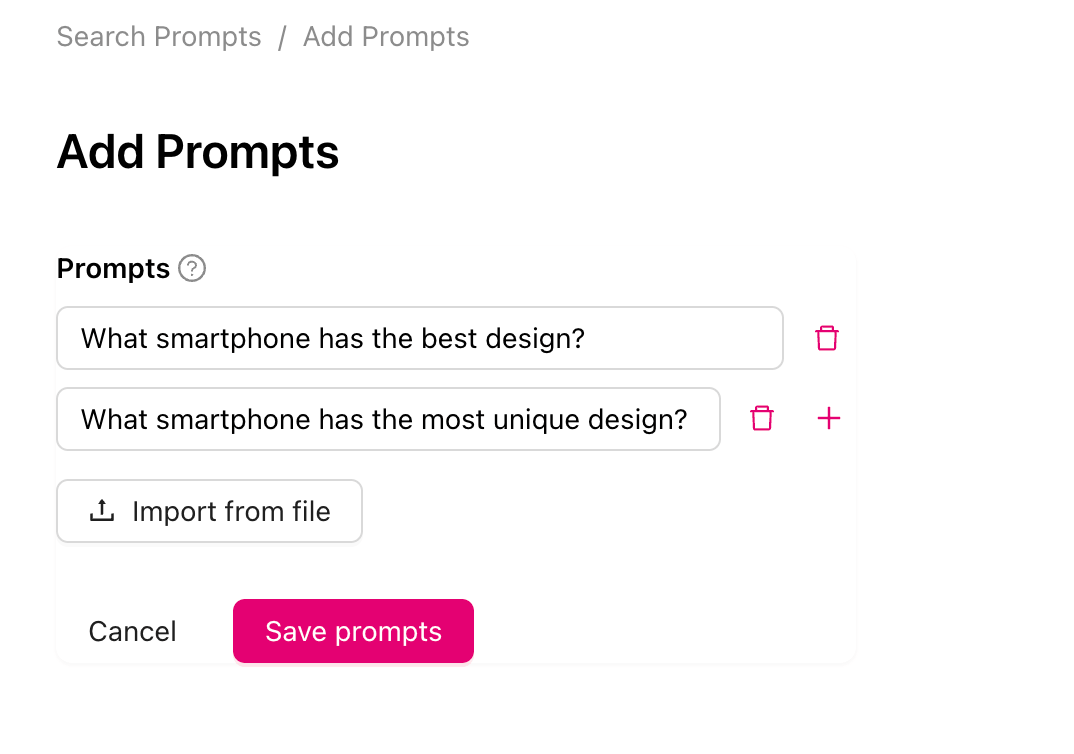
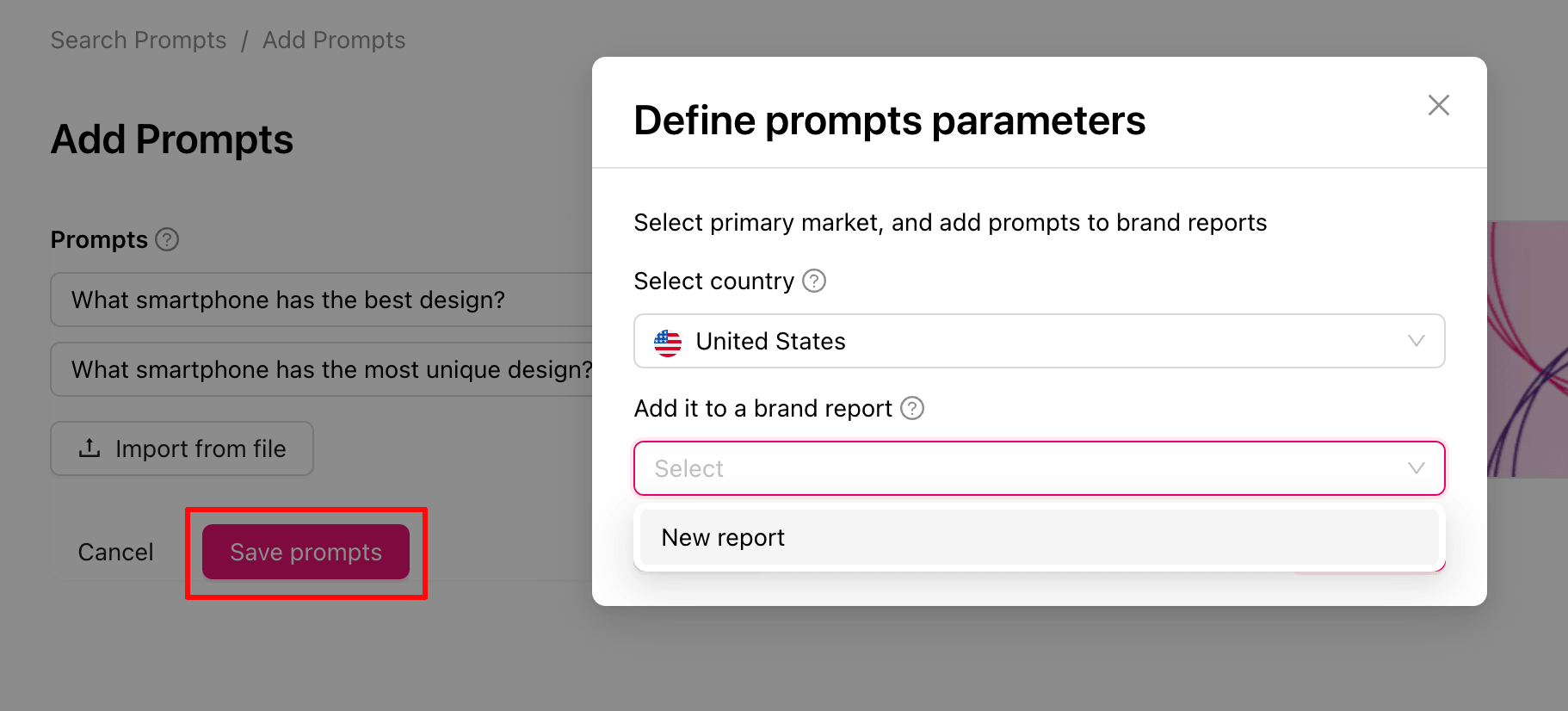
Once you’ve added your prompts, you’ll be asked to set the location where you want the results to be based from and to link it to a Brand report. The next step is to create the brand report.
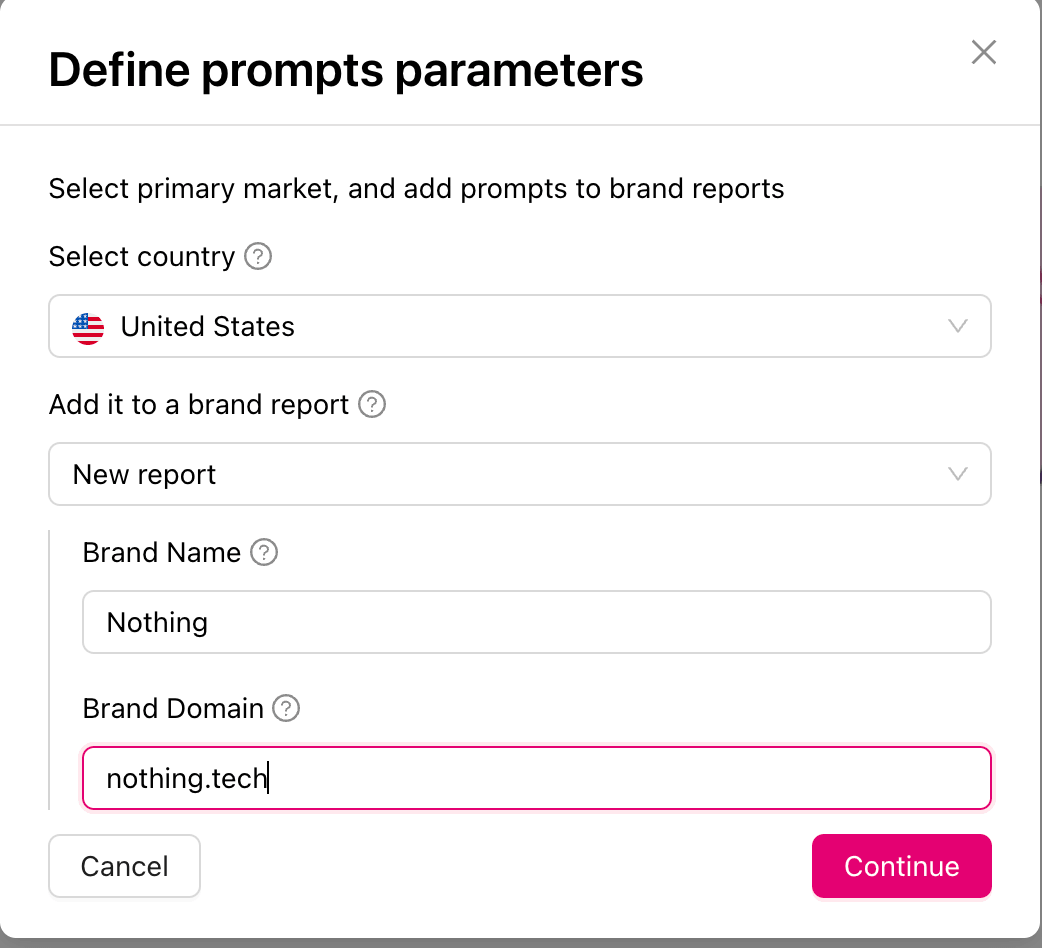
Fill in your brand name and domain.
Once your first scan runs, you’ll land on your Brand Report Overview.
Here you’ll see your Brand Mentions count, Average Brand Position, and a coverage trend chart over time. There’re also options to add your competitors for comparison.
Quantity Metrics
These metrics help you assess the scale and reach of your campaign. It’s important to track the volume of media coverage, backlinks, and the diversity of referring domains to understand how far your message has spread.
- Total Media Placements – Number of articles and mentions secured across different outlets. This helps you track the reach of your campaign.
- Total Backlinks – Track the number of dofollow links earned through the coverage. Backlinks contribute directly to improving domain authority and SEO. Tools such as Ahrefs, Semrush, Moz, or Majestic allow you to monitor new backlinks, filter by dofollow links, and track backlink growth over time.
- Unique Referring Domains – The number of distinct websites linking to your client’s site. A growing number of unique referring domains indicates that the campaign is expanding your client’s web presence beyond repeat mentions on the same sites.
- Geographic Spread – How well your story was distributed across target regions or markets. Regional coverage might drive more relevant referral traffic, while national outlets can amplify brand recognition.
Quality Metrics
These metrics give you a deeper understanding of how high-value the coverage is in terms of SEO and the campaign’s long-term impact.
- Domain Rating (DR) and Domain Authority (DA) – Measure the authority and strength of the sites that featured your story. Higher DR/DA indicates stronger, more impactful coverage.
- Publication Tier – Track the types of publications that carried your story. Are they national, industry trade publications, regional media, or B2B outlets? Higher-tier publications generally have a bigger impact on SEO and brand authority.
Additional Success Indicators
Beyond the immediate campaign metrics, look at longer-term signals that demonstrate the lasting effects of your PR efforts.
- Referring Domains Growth: Monitor if new, distinct websites are linking to your client, signaling broader media reach and increased online presence.
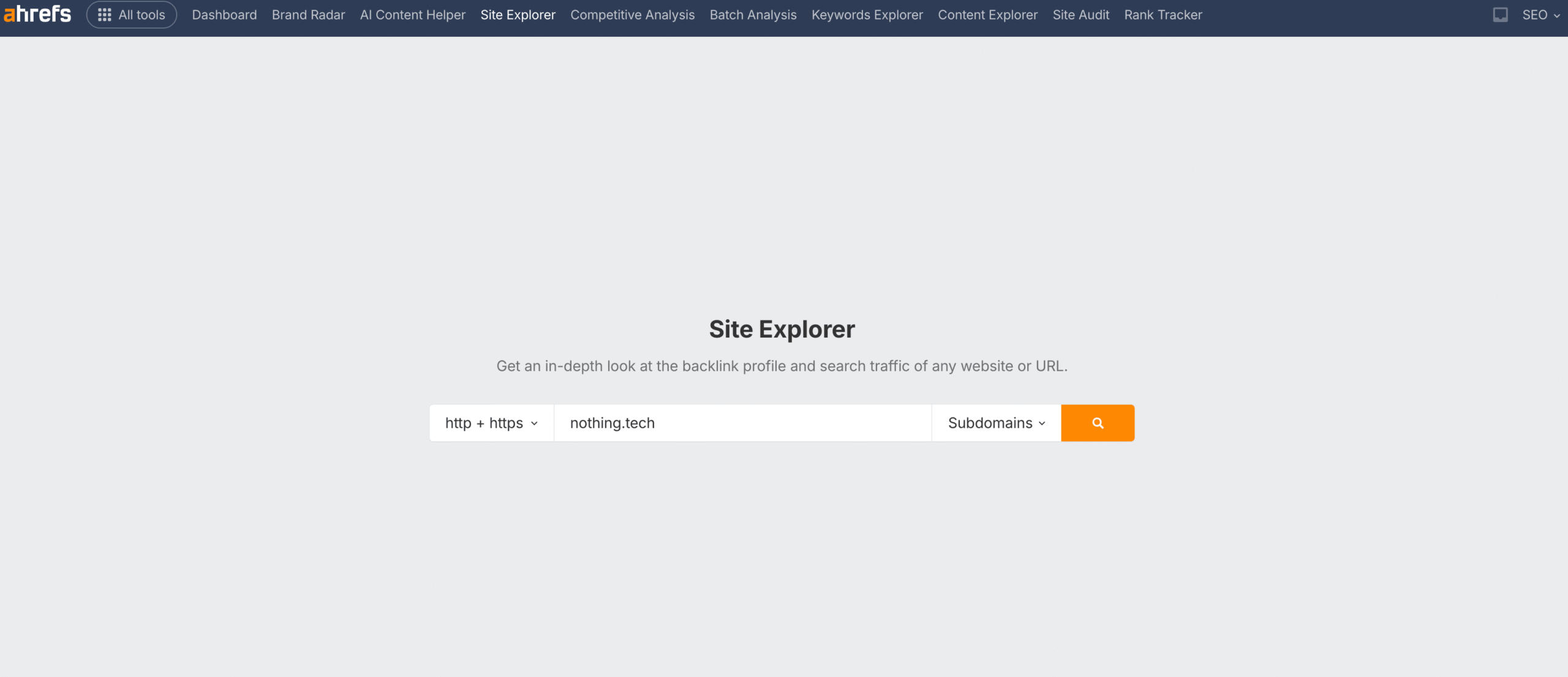
You can do this by entering your domain into Ahrefs’ Site Explorer.
And scrolling down to the “Referring domains” report.
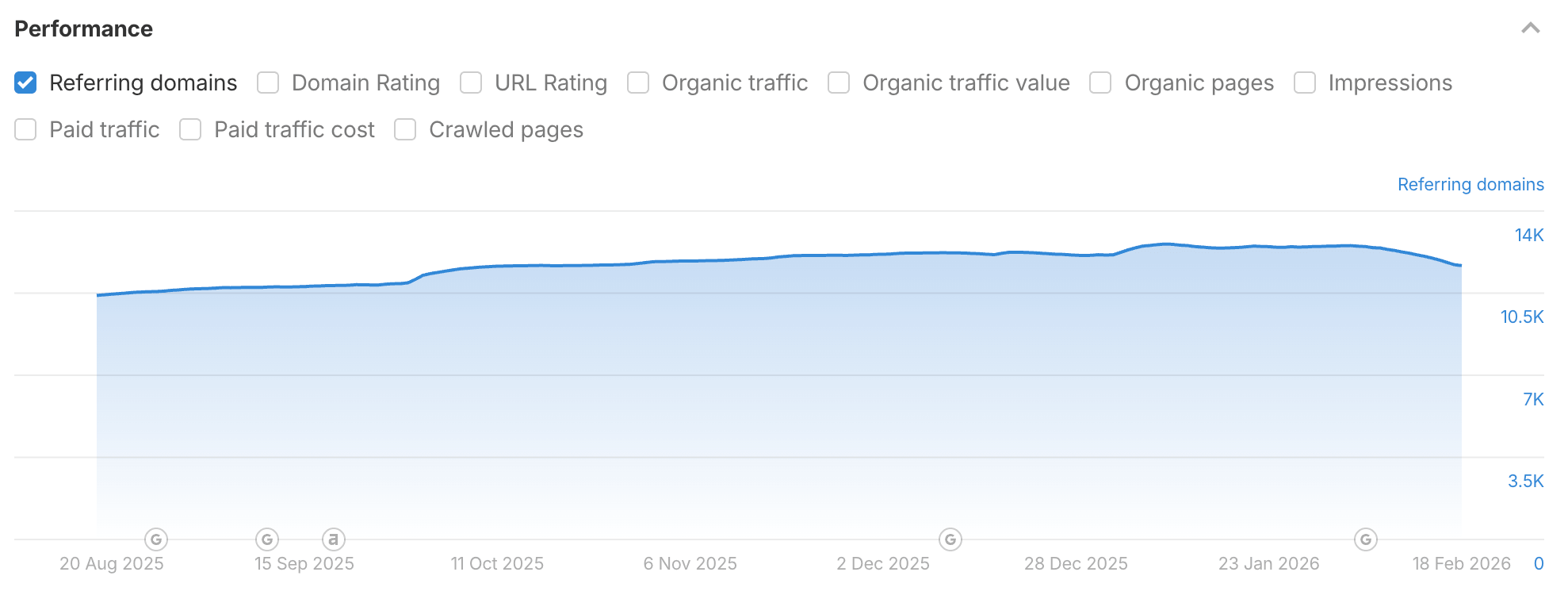
This shows a timeline graph of unique domains linking in and a list of new referring domains gained each month. This makes it easy to compare growth before, during, and after a campaign.
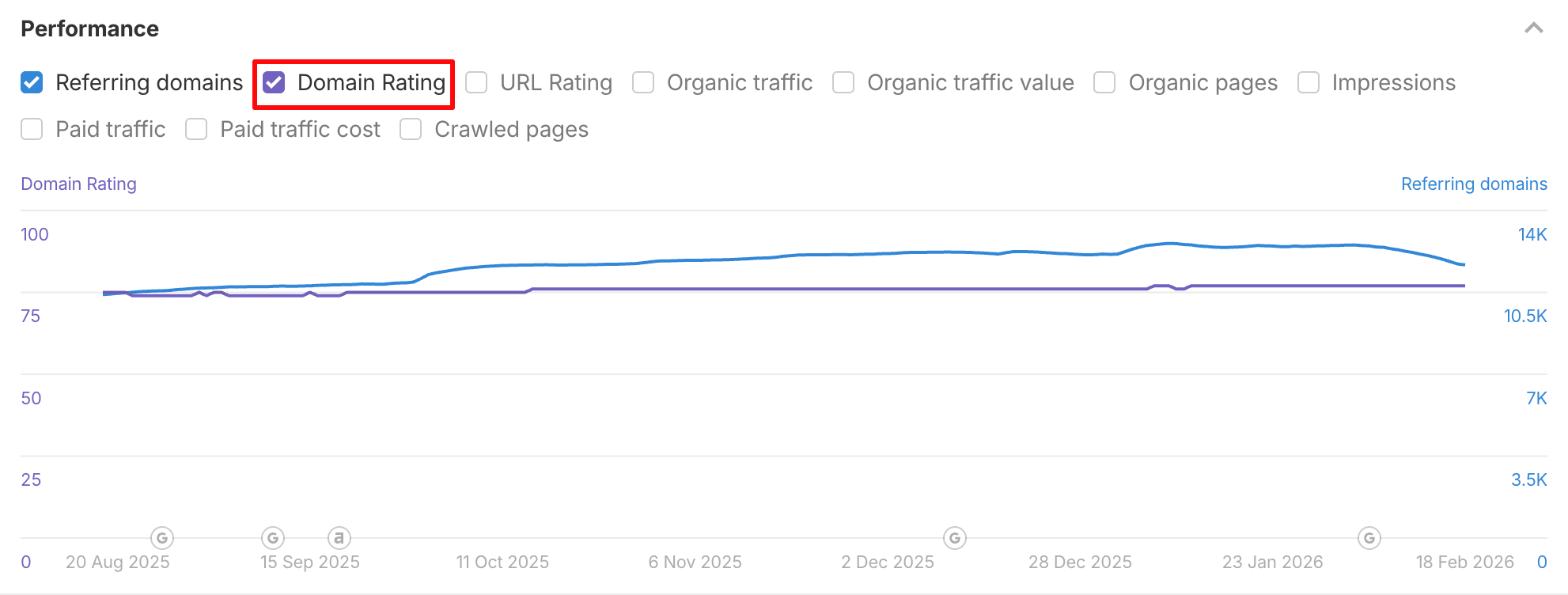
- Domain Rating Movement: Watch for improvements in domain rating, indicating that your campaign has strengthened the overall SEO profile of your website.
On the same graph, tick the “Domain Rating” checkbox to also show you how the DR has improved over time.
- Branded Search Traffic: Measure whether more people are actively searching for the company by name. Increased branded search traffic is a direct indicator of growing brand recognition and credibility.
In Google Search Console’s Performance report and add a Query filter so that you’ll only see data for queries that include branded terms (e.g., the exact company name and close variants).
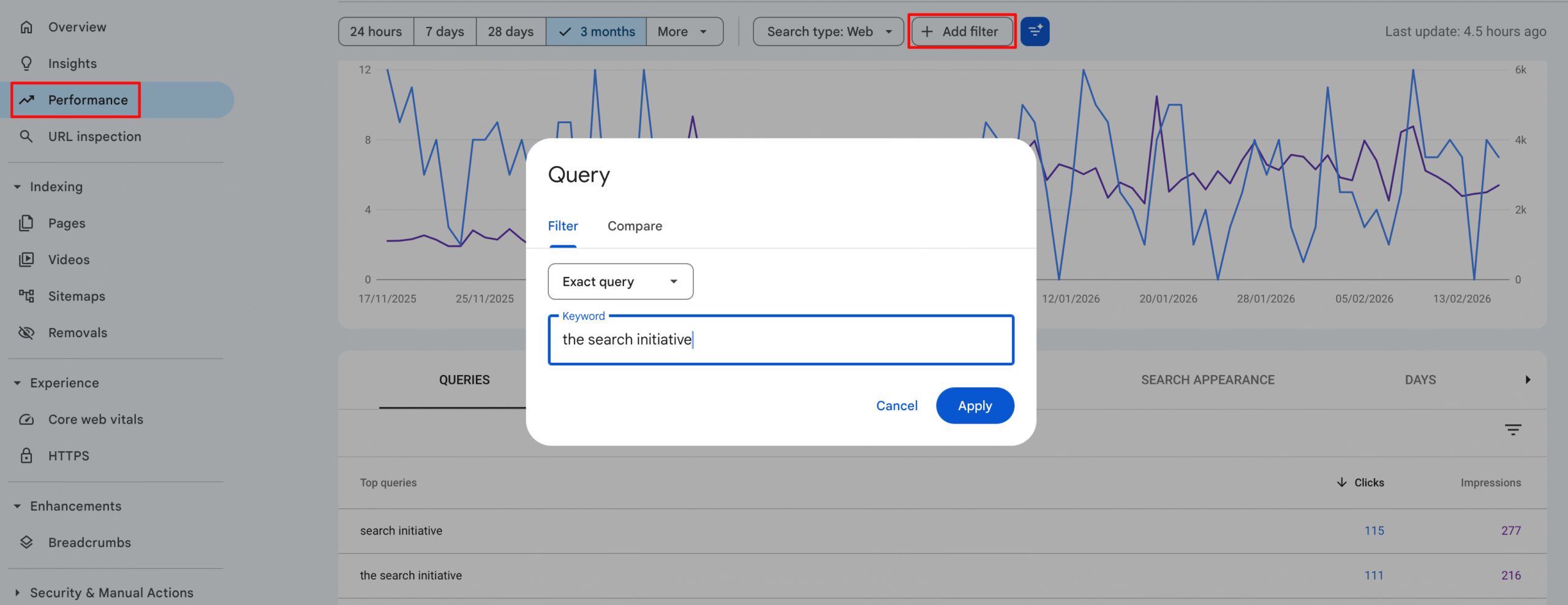
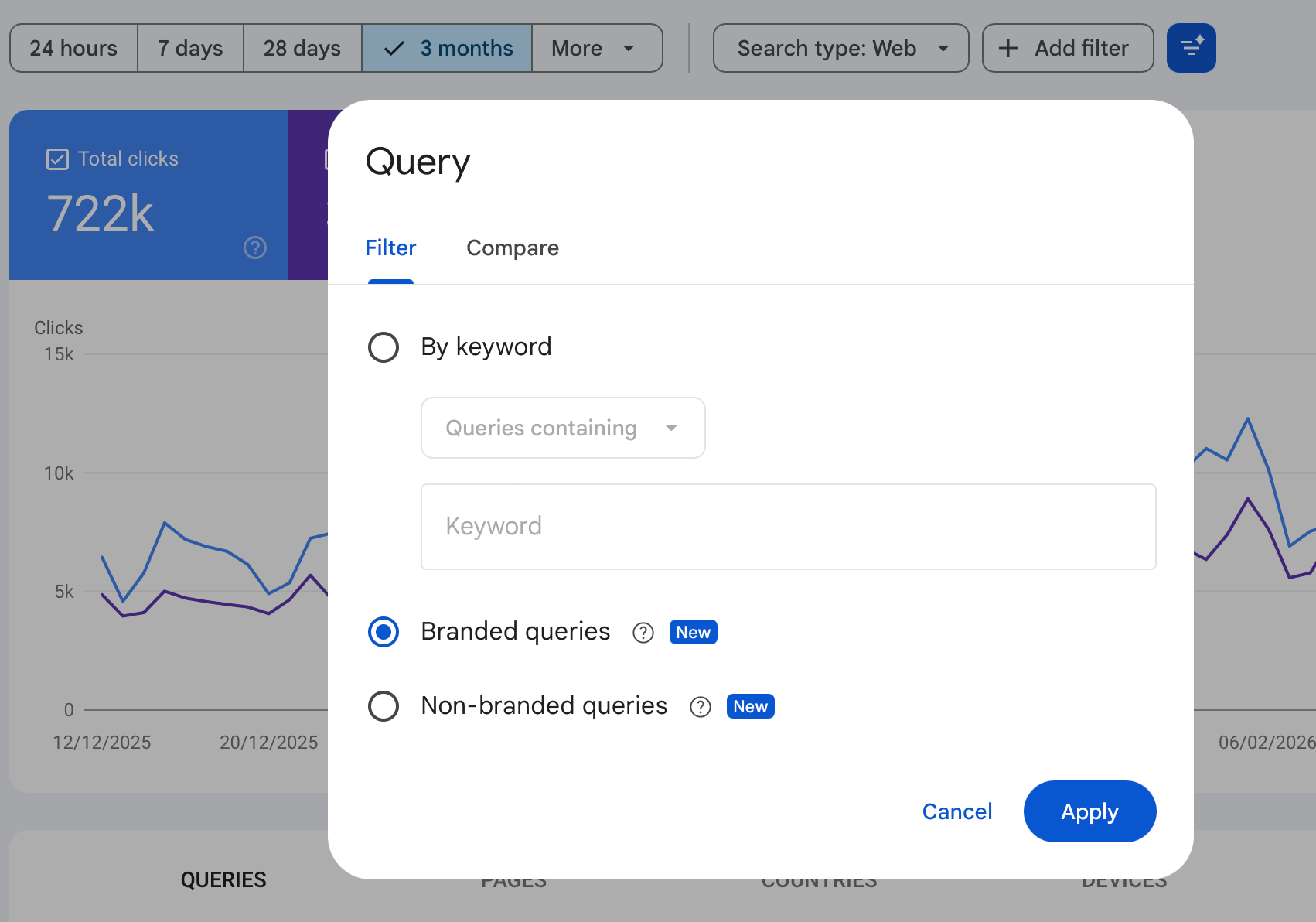
Or, you could use the new feature/option for Branded queries, but note that it is powered by AI and may mislabel branded and non-branded queries. Data is only available from 21 Feb 2026.
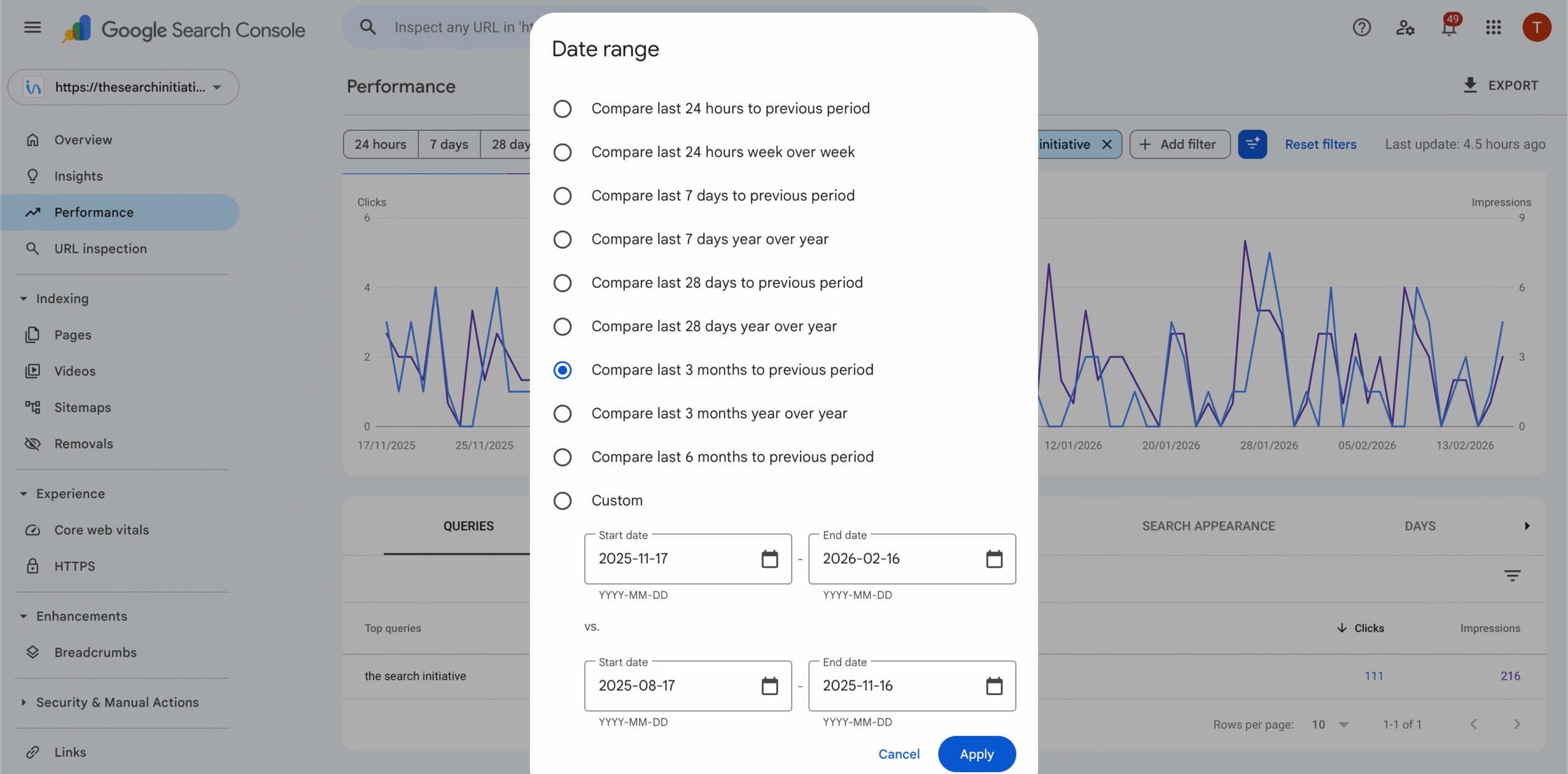
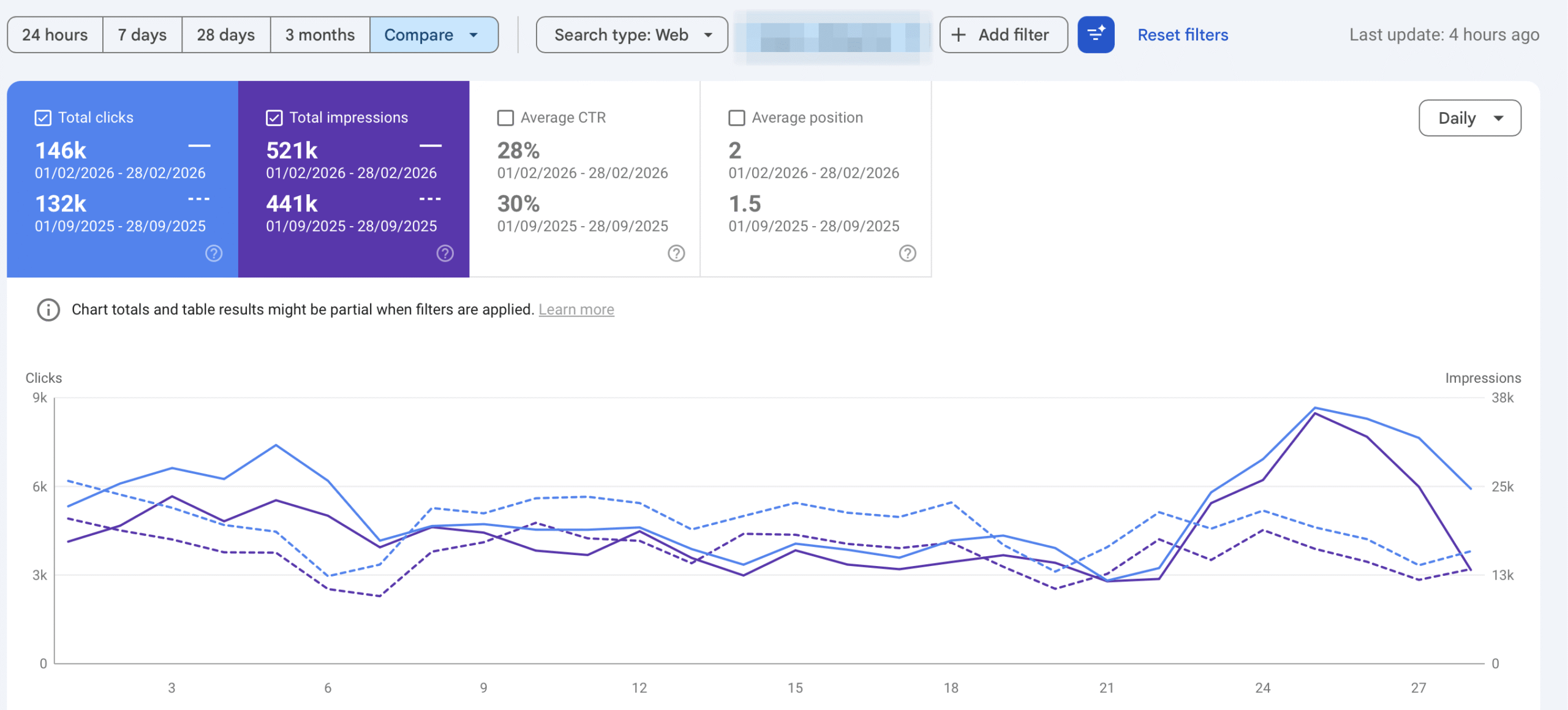
Then on the top left, open the drop down to compare the clicks and impressions between two periods. You could do this month-over-month, year-on-year or set it to Custom dates before and after the PR campaign.
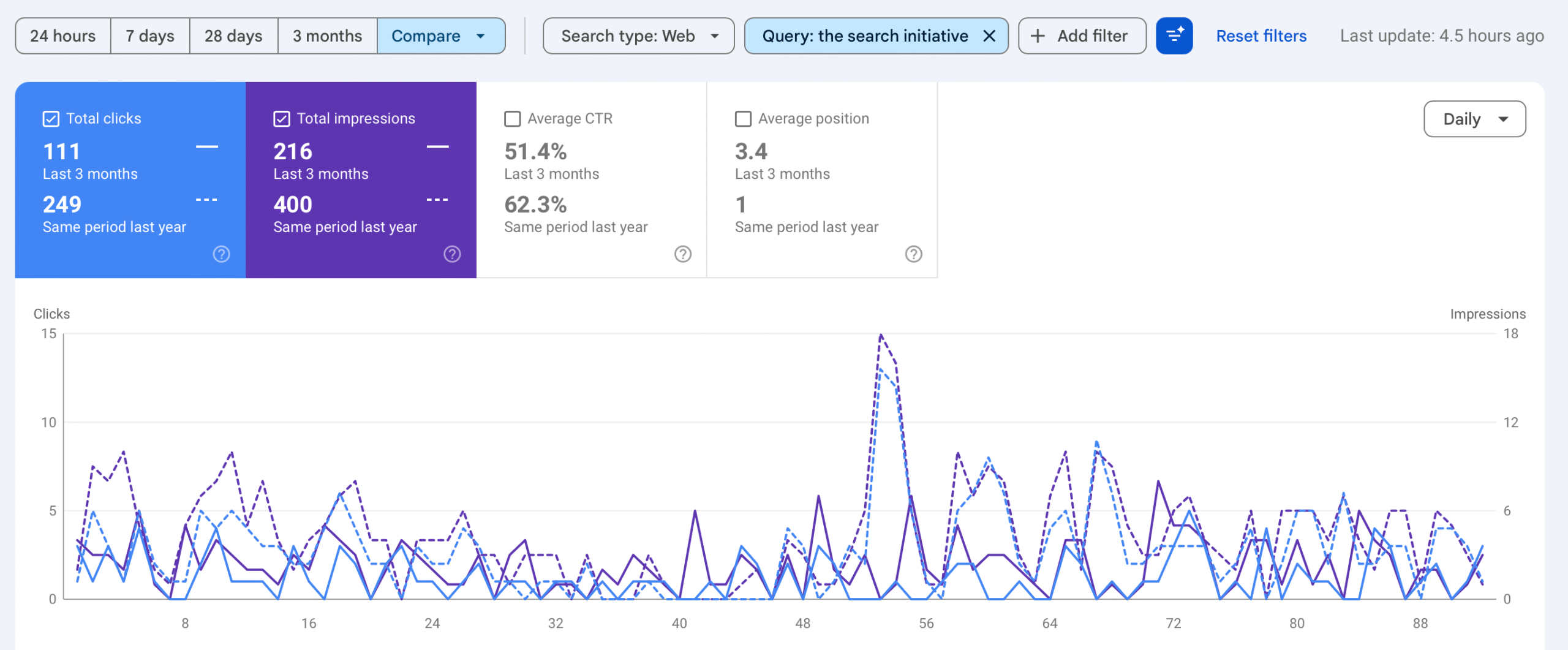
This’ll show you how many impressions and clicks the query received during these periods.
The Results
This resulted in a 750%+ increase in revenue from £1.5k to £12.9k/month.
The site saw over 1k visits from LLMs like ChatGPT and Gemini during this period.
The number of referring domains increased from 9.6k to 11.3k since the start of the DPR campaign.
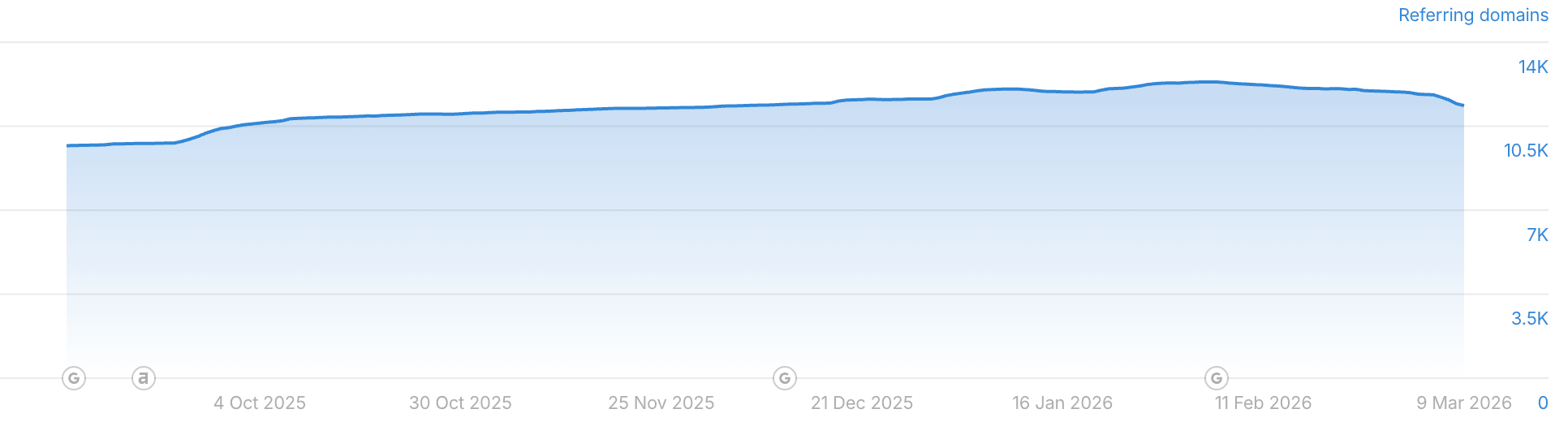
The press campaign was picked up by a total of 313 publications, including Google, Yahoo, Bing News, AP News, EIN Presswire, and National Law Review, with an average Domain Rating of 56.
Since the start of the campaign, organic traffic has more than doubled towards the client’s English pages targeting the UK.
Finally, branded traffic is up by 11% from 132k to 146k clicks since the start of the campaign.
Conclusion
In this case study, I’ve shown you how to:
- Leverage digital PR to build authority and visibility in both traditional and AI-driven search
- Identify if your business is ready for a PR campaign, and how to build a plan that doesn’t require paying thousands for a PR agency
- Craft a newsworthy story from scratch, strategically place it in front of the right media, and measure its success
Talk to our team at The Search Initiative, and we’ll help you identify your PR opportunities and show you how to maximize them today.
Get a Free Website Consultation from The Search Initiative:
