Search has changed.
Consumers no longer rely solely on Google to find what they want: they now turn to ChatGPT, Perplexity, YouTube, TikTok, LinkedIn, and niche communities to find answers, compare solutions, and make decisions.
If your content doesn’t appear across these platforms, it’s effectively invisible to their users and AI models alike.
In this case study, we’ll show you how we helped a technology company in real estate data and analytics more than double their referral search traffic.
How? By building a clear picture of where their audience was actually searching, then repurposing their existing content into the formats and platforms that appealed most to those search behaviors.
The result?
Their referral traffic grew by 148%. All from repurposed content.

In this case study, you’ll learn :
 How to identify where your audience is searching today so your content appears in the channels and formats they’re looking for.
- How to repurpose existing content across multiple platforms to expand reach without creating new content from scratch.
If you’d prefer to watch rather than read, I cover some of the key insights in this video.
To start, here’s some context about the client and why their site needed our help.
The Challenge
The client is a technology company specializing in real estate data and analytics. Think of them as the Ahrefs of Real Estate.
They had been publishing authoritative, useful content and expected that it would continue driving visibility over time. But search habits had changed, and their audience was no longer relying on Google alone to find what they were looking for online.
They were turning to AI search tools, YouTube, TikTok, and LinkedIn to find answers in new formats and through new discovery paths.

Because of this shift in search behavior, the client’s content stopped reaching the people it was intended for. Traffic plateaued, visibility declined, and their expertise was being overlooked.
Meanwhile, competitors who distributed their content across multiple platforms were gaining attention, appearing in AI-generated responses, and earning greater share-of-voice in the industry.
The problem wasn’t the quality of the client’s insights, it was that those insights weren’t being adapted to the places and formats where their audience now consumed information.
That’s when they turned to The Search Initiative to help modernize their approach and extend the reach of the content they had already invested in.
We began by pinpointing where and how their customers were actually searching e.g. traditional search engines, AI tools, social platforms, and online communities. This helped us understand which channels were as-yet untapped and precisely where competitors had been gaining ground.
Next, to make sure we hit these opportunities quickly and effectively, we built a content repurposing plan that turned their best-performing blog posts into short social videos, LinkedIn updates, and formats optimized for AI visibility. This expanded their reach without having to create reams of content from scratch.
Here’s how you can follow the same steps to make sure your expertise is seen by the right people, wherever they search.
Understanding Multi-Platform Search Behavior
Understanding how your audience searches and consumes content across multiple platforms is critical for modern SEO and AI visibility.
Search behavior is no longer limited to traditional engines like Google, users now turn to ChatGPT, Perplexity, YouTube, TikTok, LinkedIn, and Reddit for answers and insights.
Getting a full picture of how and where your audience is searching helps you identify where they are active and what content performs best on those platforms. These are insights that will shape the content repurposing strategy in section two of this case study.
Why Multi-Platform Search Matters Today
Recent research shows that consumer search behavior is rapidly diversifying beyond traditional search engines.
Large language models like ChatGPT, Perplexity, and Google’s AI search features are pulling answers more and more regularly from forums, social media, video platforms, and professional networks, rather than just traditional websites.
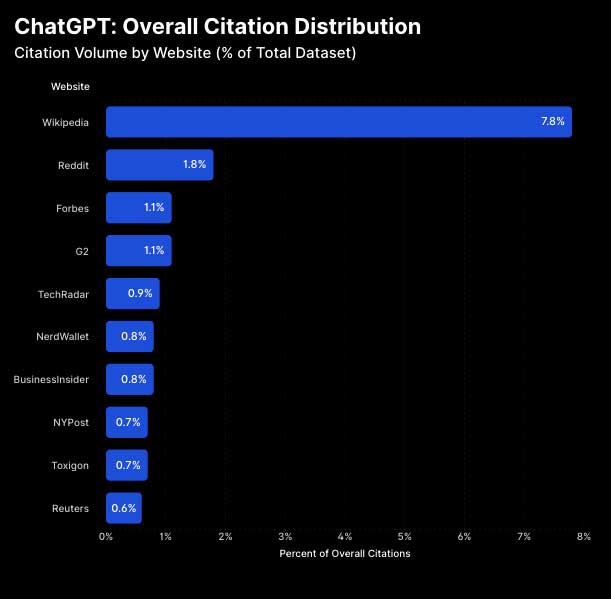
Unlike traditional SEO, where content is mainly optimized for Google search, success in AI SEO requires a focus on content types that AI platforms like ChatGPT trust and process quickly – which extends to social platforms like TikTok and trusted advice/Q&A forums like Reddit.
A strategy that understands the value in these platforms and what you need to post where will give your content the best chance of surfacing in AI-generated answers.
Looking at the data would also suggest that there’s little time to waste. The number of ChatGPT users has doubled from 400 million to 800 million between February and October this year and SEMRush even predicts AI search referral traffic overtaking traditional search visibility by 2028!
What does this mean?
Success today means optimizing not just for Google, but also for AI engines and the specific platforms your audience is using every single day. If you leave it any longer, you risk being left behind.
However, for online businesses, this also provides three key opportunities:
1. Broader Visibility Across Search and AI Platforms – By maintaining a presence on multiple platforms, your content is more likely to be surfaced in both traditional search results and AI-generated responses.
For instance, a “how-to” guide on SEO may appear on Google…

… but a repurposed YouTube tutorial or LinkedIn post can increase the likelihood of being cited in the AI answer..
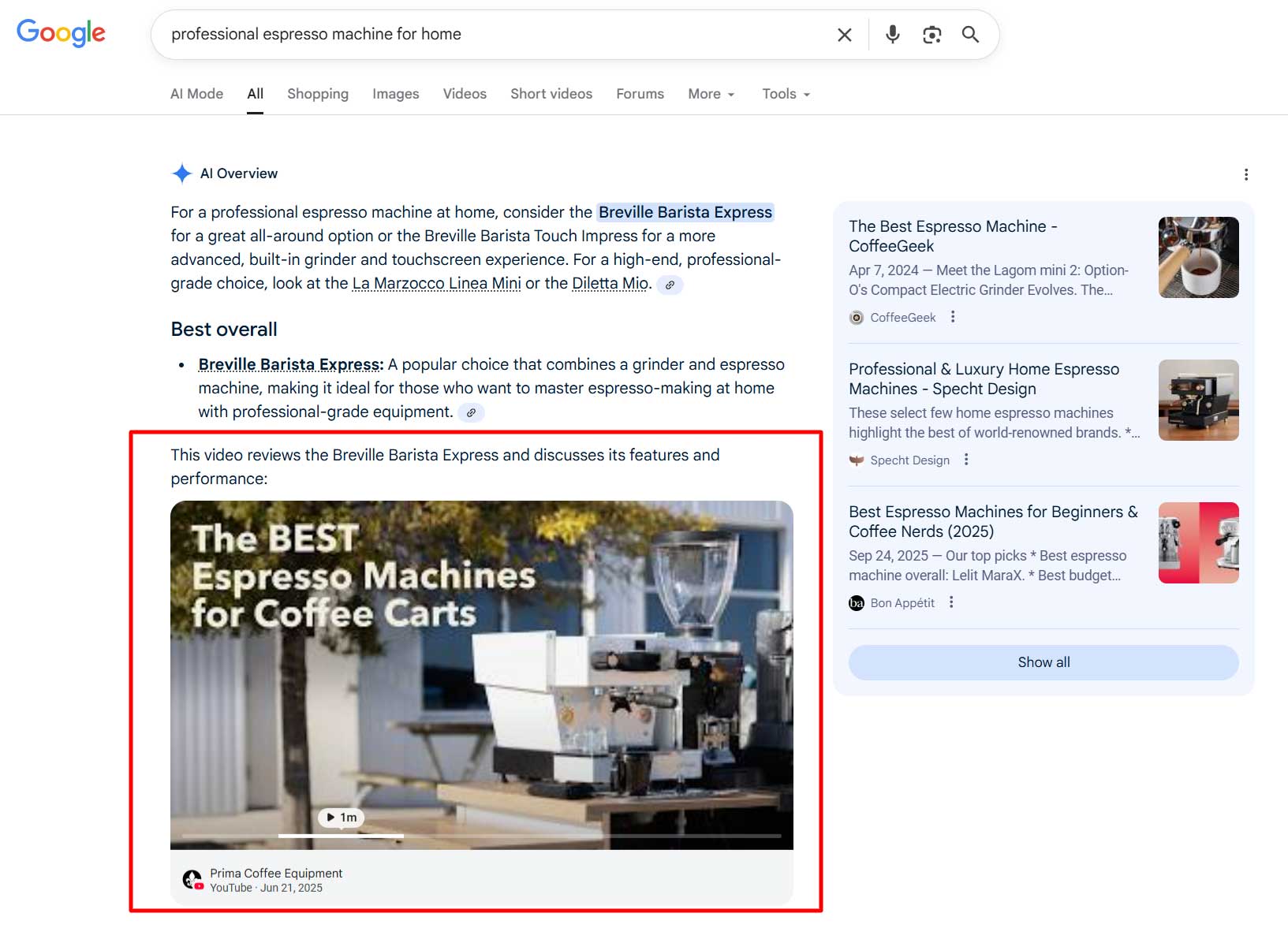
2. Capture Emerging Audience Behavior – Users increasingly expect answers in their preferred format and platform. For example, social media requires more visual elements that grab the attention of the user while scrolling their feed. Showing up in these channels meets audience intent head-on.
3. Competitive Advantage – Businesses that focus solely on traditional SEO are swimming against the tide and risk being lost at sea. Competitors who diversify across platforms and formats are gaining AI and social visibility, establishing authority that’s harder to replicate.
In short: multi-platform search isn’t just about being discoverable, the goal is to position your content to be recognized by both humans and AI, ensuring you capture attention wherever audiences are looking today and will be looking in the future.
Using SparkToro to Map Audience Habits
Understanding where your audience spends time online is the first step in building a multi-platform content strategy.
SparkToro is a powerful tool that helps you identify where your audience is active, what they follow, and which content formats they engage with most.
By mapping these habits, you can prioritize the platforms that will make repurposing your content most effective (more on this later).
Start with Audience Research
Investigate the social platforms, websites, podcasts, and influencers your audience engages with most.
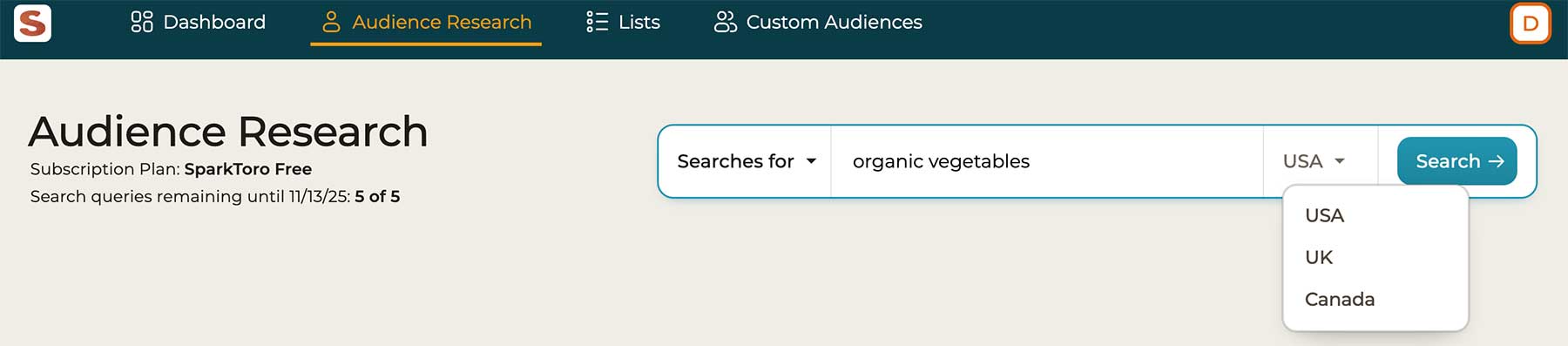
1. Log in or create a free account on SparkToro (where you’ll get 5 free searches per month) and select “Audience Research”.
2. Enter the key terms your audience uses (e.g., for a gardening website, you would search terms like “home gardening,” “urban farming,” “indoor plants,” “organic vegetables”).
3. Select the more relevant target location from the drop down.
How to Prioritize Channels for Your Business
4. SparkToro shows a range of insightful information about the topic including:
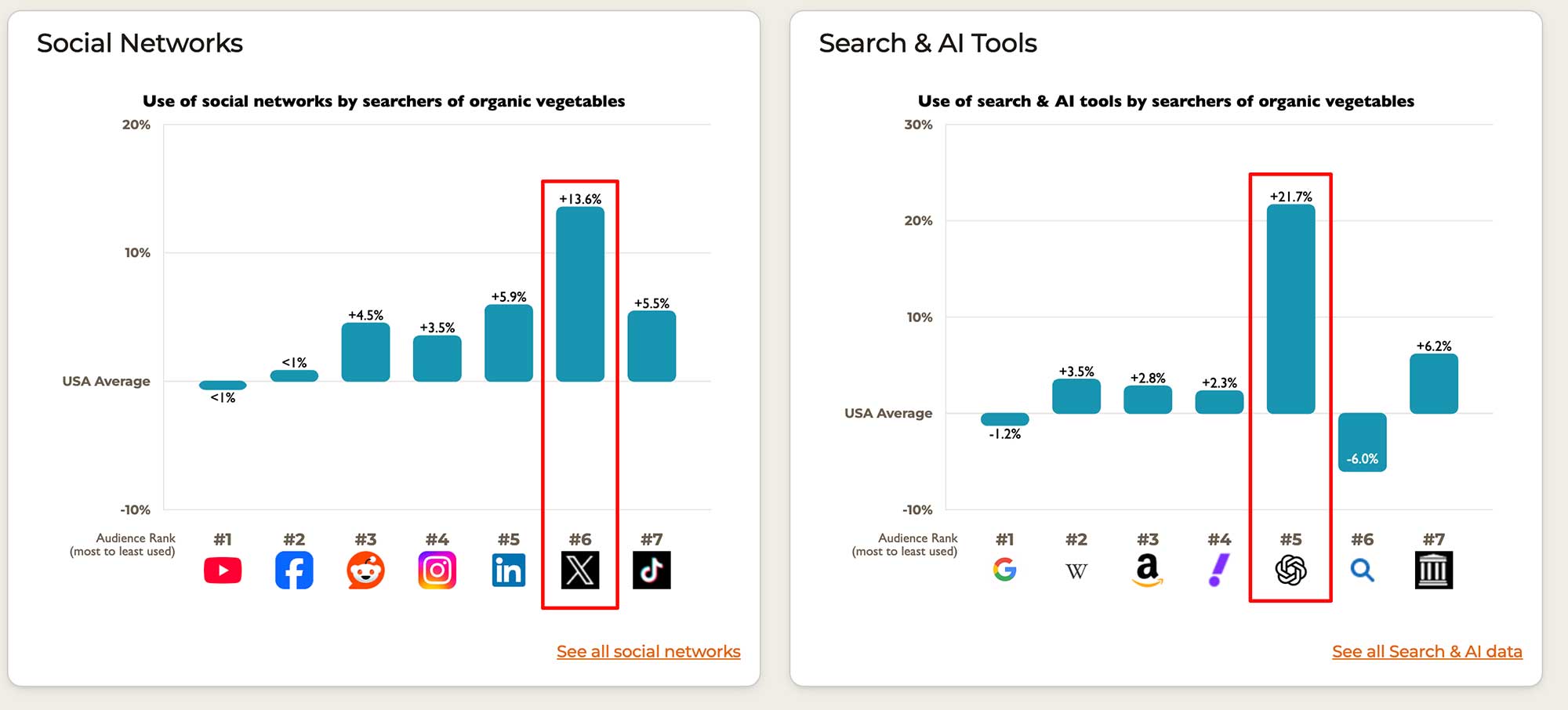
The social networks and search platforms where people are searching for this term.
In our example, X (Twitter) and ChatGPT are clear frontrunners.
The top accounts followed, websites visited, and podcasts listened to by your audience.

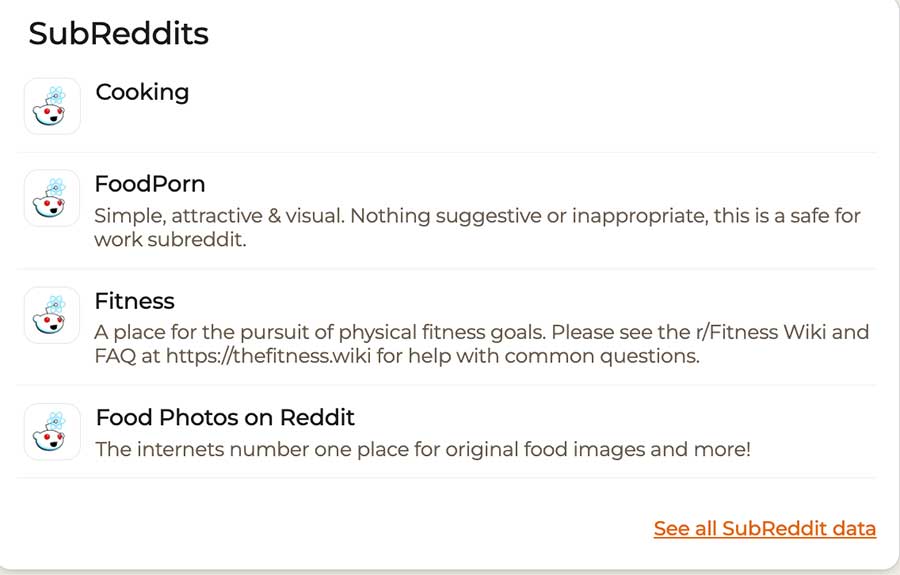
The most popular Reddit threads for the topic.
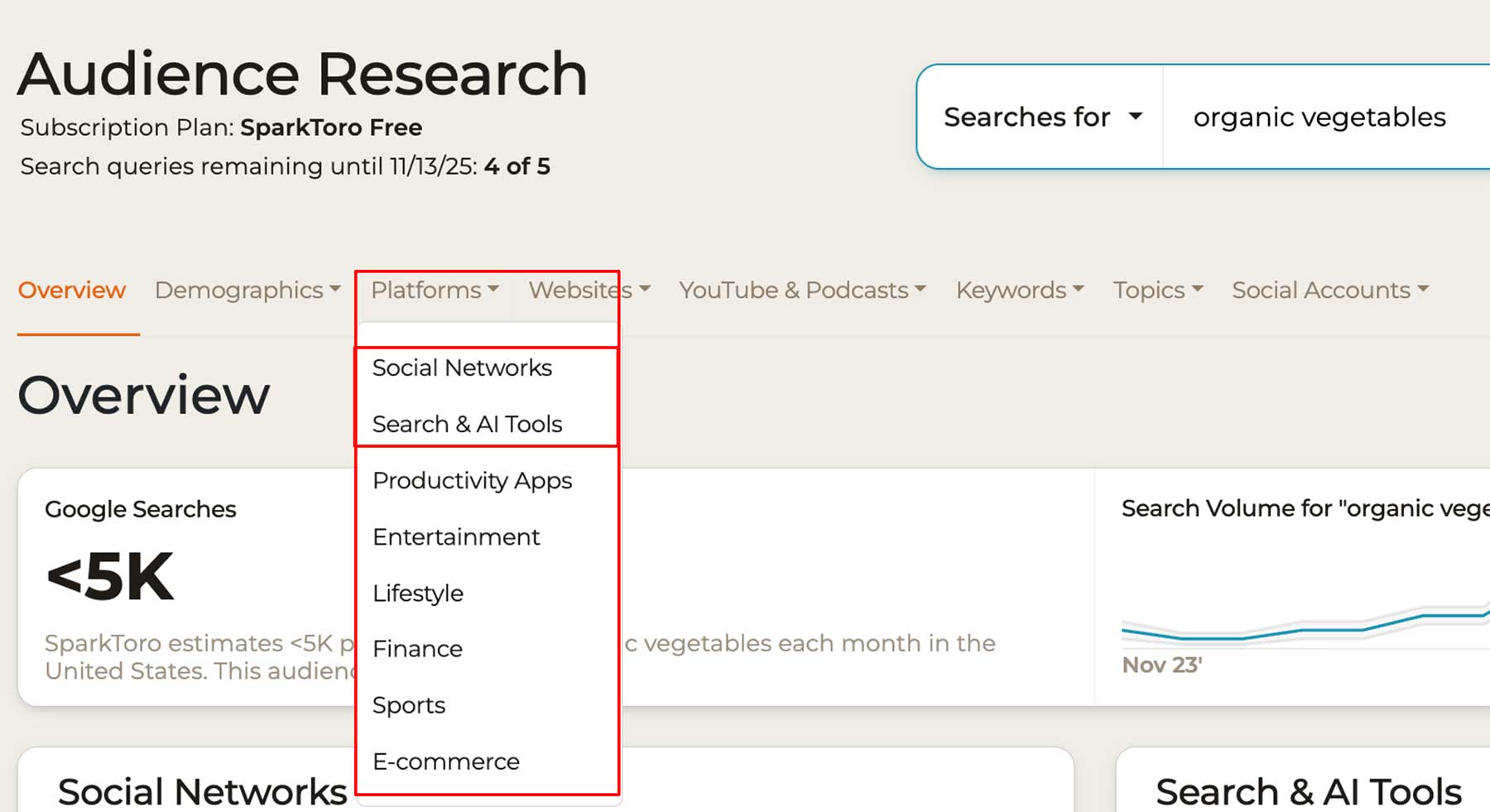
5. Look at audience share by platform and engagement activity by clicking on the individual reports for Social Networks and Search & AI Tools.
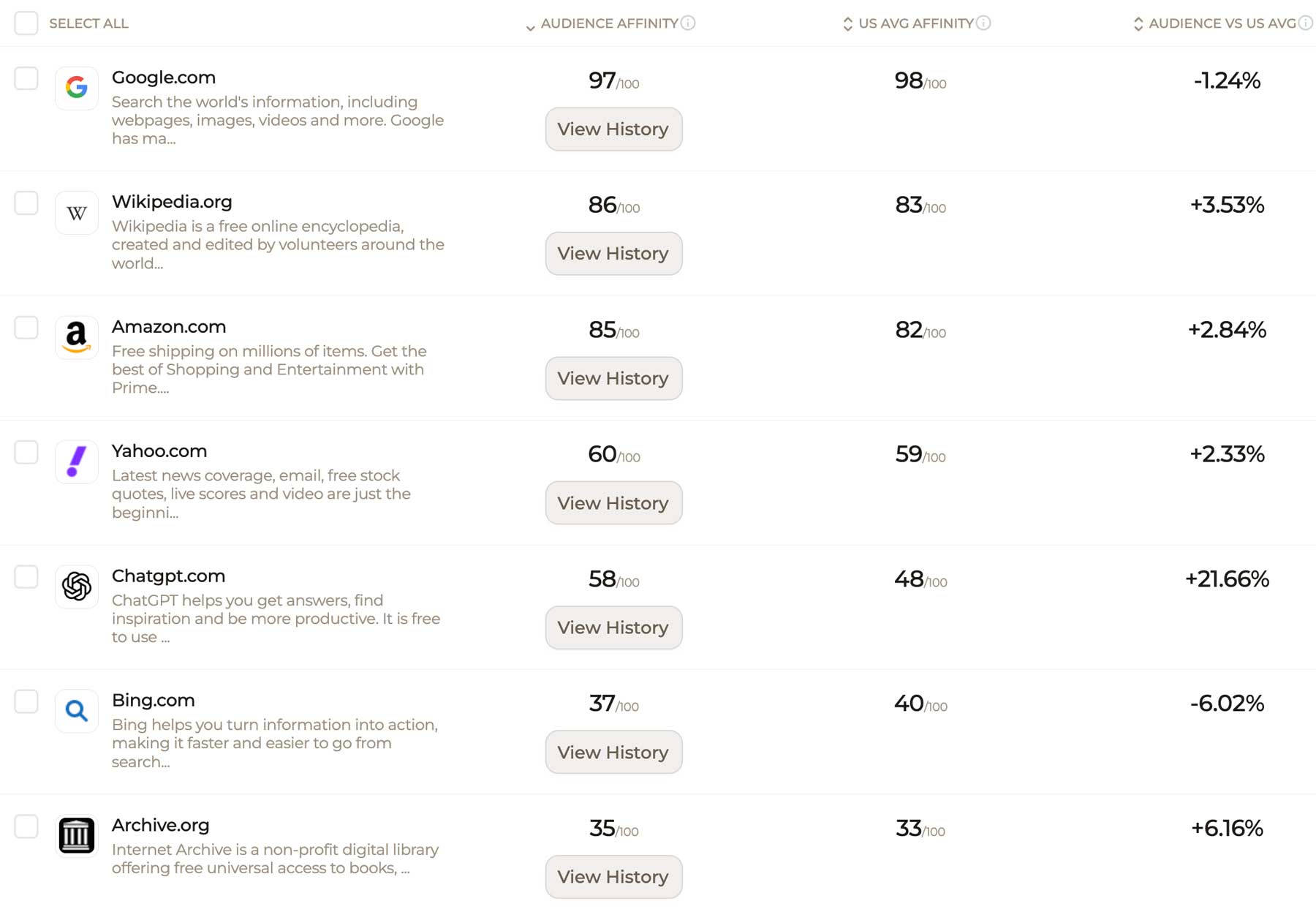
For example, the graph below shows social platforms ranked by SparkToro’s Audience Affinity metric.
This is a score from 0 (not likely) to 100 (very likely) based on the likelihood that a user visits a given website based on the platform.

Here’s the same stats for Search platforms.
Matching Content Types to Channel Intent
6. Even without the paid version of SparkToro, these insights show that for the topic “organic vegetables”, the search platforms you should prioritize are:
 YouTube – Create tutorial videos such as “5 Easy Ways to Grow Organic Vegetables at Home” or “How to Start an Organic Vegetable Garden Step-by-Step.”
- Reddit – Post discussion threads or Q&A in communities like r/OrganicGardening or r/HomeGardening. Answer questions like “what are the best compost techniques for organic veggies?” to gain visibility. Read on to find out more about how to properly build up your Reddit profile.
- Google – Publish long-form guides and ‘power hubs’ that resonate with search engines, e.g., “Complete Beginner’s Guide to Growing Organic Vegetables Indoors.”
- ChatGPT / AI models – Make sure content is structured, factual, and comprehensive, so when users ask AI questions like “How do I start growing organic vegetables at home?” your content is likely to be surfaced. Check out this section from a previous case study to learn more on how to optimize your content for AI.
By aligning content type with platform intent, you maximize engagement, reach, and the likelihood that both humans and AI will discover and reference your content.
Repurposing Content Across Formats
You likely already have valuable content sitting in your drive folders just begging to be reused.
Instead of creating more from scratch, revisit your existing blogs, guides, and resources to reach new audiences on new platforms.
Repurposing not only maximizes the value of what you’ve already created, it also gives AI search systems more places to find, understand, and surface your expertise.
The more formats your content appears in, the more signals AI can pick up, improving your chances of being included in AI-generated results wherever people search.
For example, a high-performing blog post, can easily transform into:
- A series of short-form TikTok or Instagram clips
- A longer in-depth YouTube tutorial
- A LinkedIn post sharing key professional insights
- A Reddit discussion thread where you answer questions and spark engagement
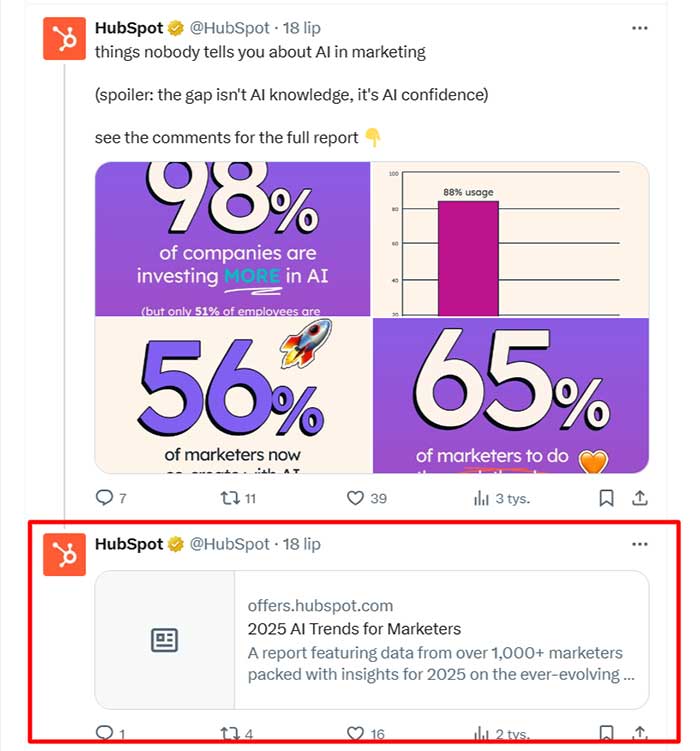
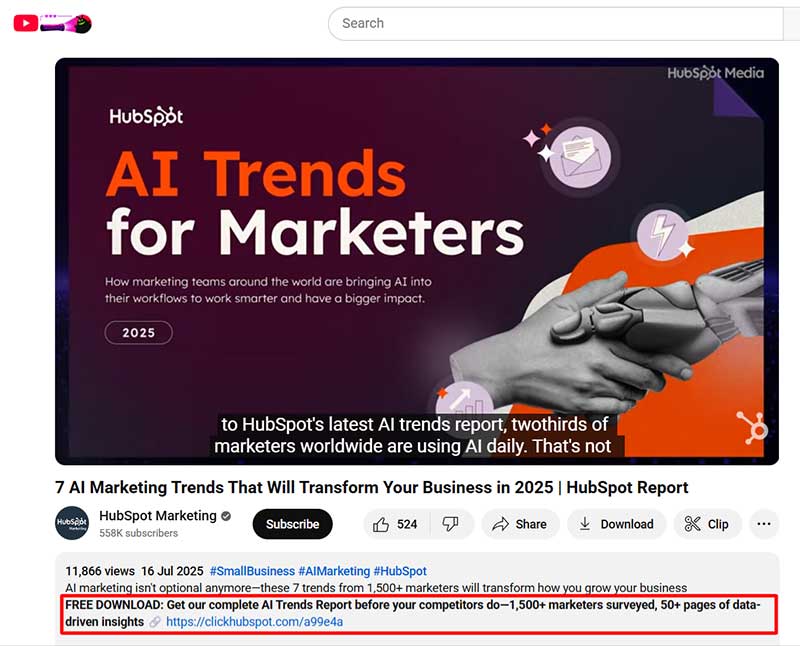
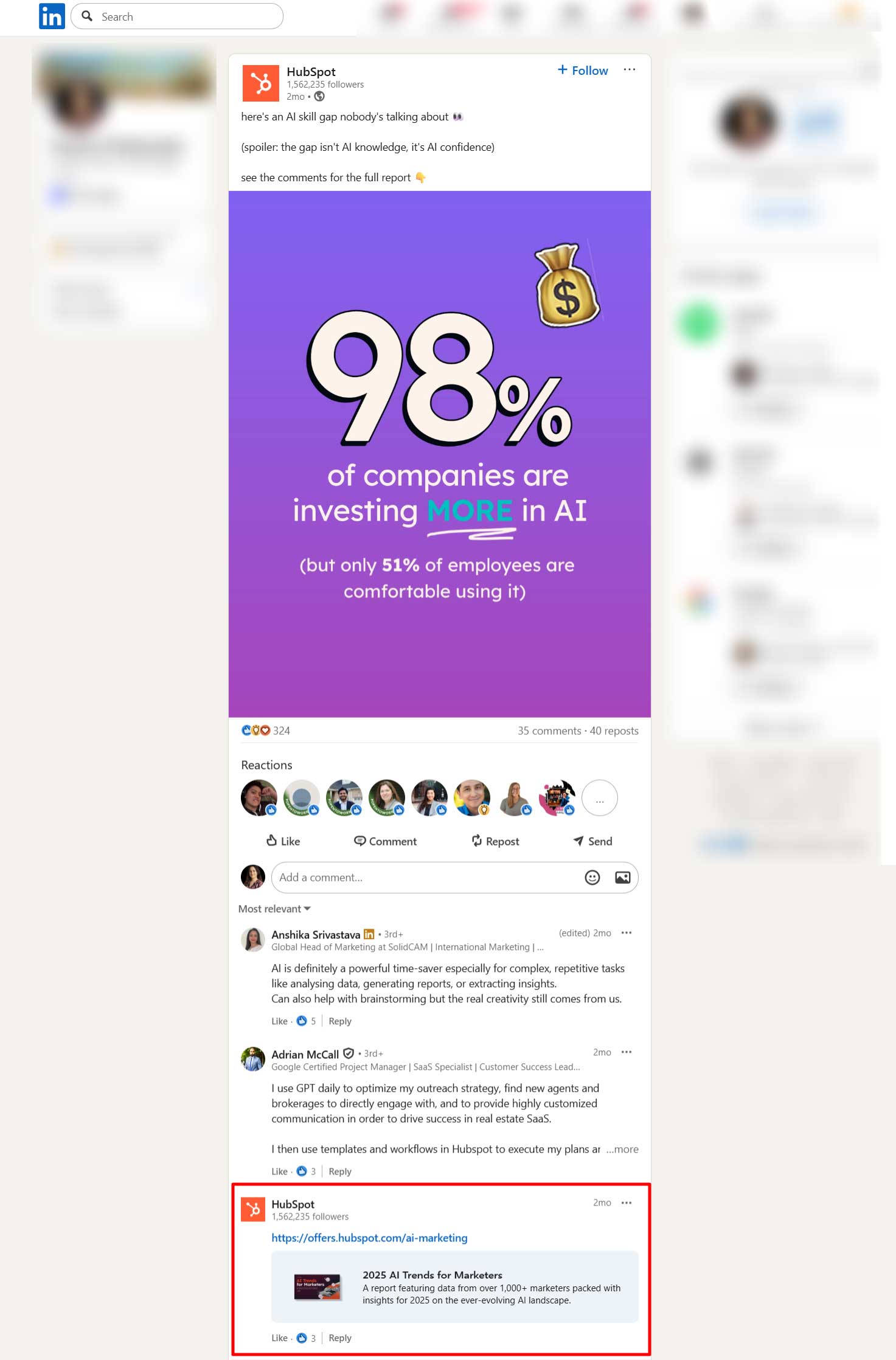
Take a look at how HubSpot is using this strategy with their AI Trends for Marketers Report:
They’ve published a report:

Which is then reused on their X account:
Used for a YouTube video:
And posted on their LinkedIn page:
Before we go into how, it’s important to know why you should do this…
Why Should You Repurpose Content Across Different Formats?
Repurposing content not only maximizes the value of your assets but also increases your visibility in AI SEO. By adapting your message across platforms, you increase the chances of your content being recognized by large language models (LLMs) like ChatGPT and Google’s AI search models.
So when your content appears across different formats and platforms – TikTok clips, YouTube tutorials, LinkedIn posts, Reddit threads – AI is going to pick it up and your content is going to be more likely to be cited.
If you still need convincing, Google themselves explicitly advised site owners to “go beyond text” and start designing pages with multi-format content in mind (video, audio etc). This is Google’s way of saying: ‘create more diverse content so it’s easier for both users and AI systems to surface it’.
How to Repurpose Content
Below is a guide on how to repurpose your existing content for both SEO and AI SEO, increasing your reach, visibility, and search rankings.
Choose the Right Content to Repurpose
The first step in repurposing content is knowing what’s already working for you. Not every piece deserves attention, so focus on the ones that bring consistent value.
Start with your top-performing content.
In Google Analytics, go to Reports > Life cycle > Engagement > Pages and screens.

Set the timeframe to Last 12 months to see which pages have attracted the most traffic.
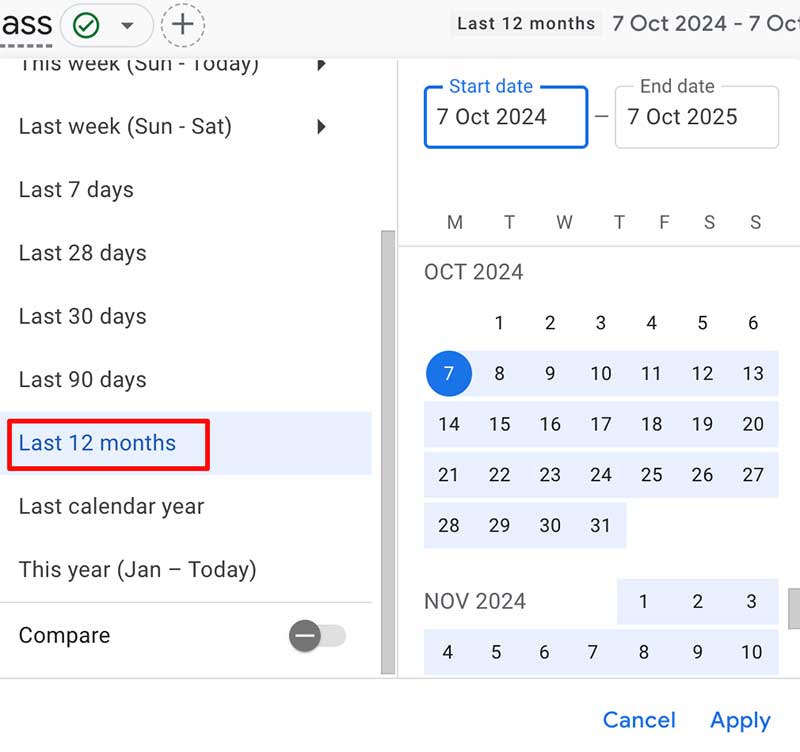
Scroll through the list and look for the pages with the highest views. These are usually your best candidates for repurposing.
If most of your content is text-led, filter results by your blog directory (for example, /blog/).
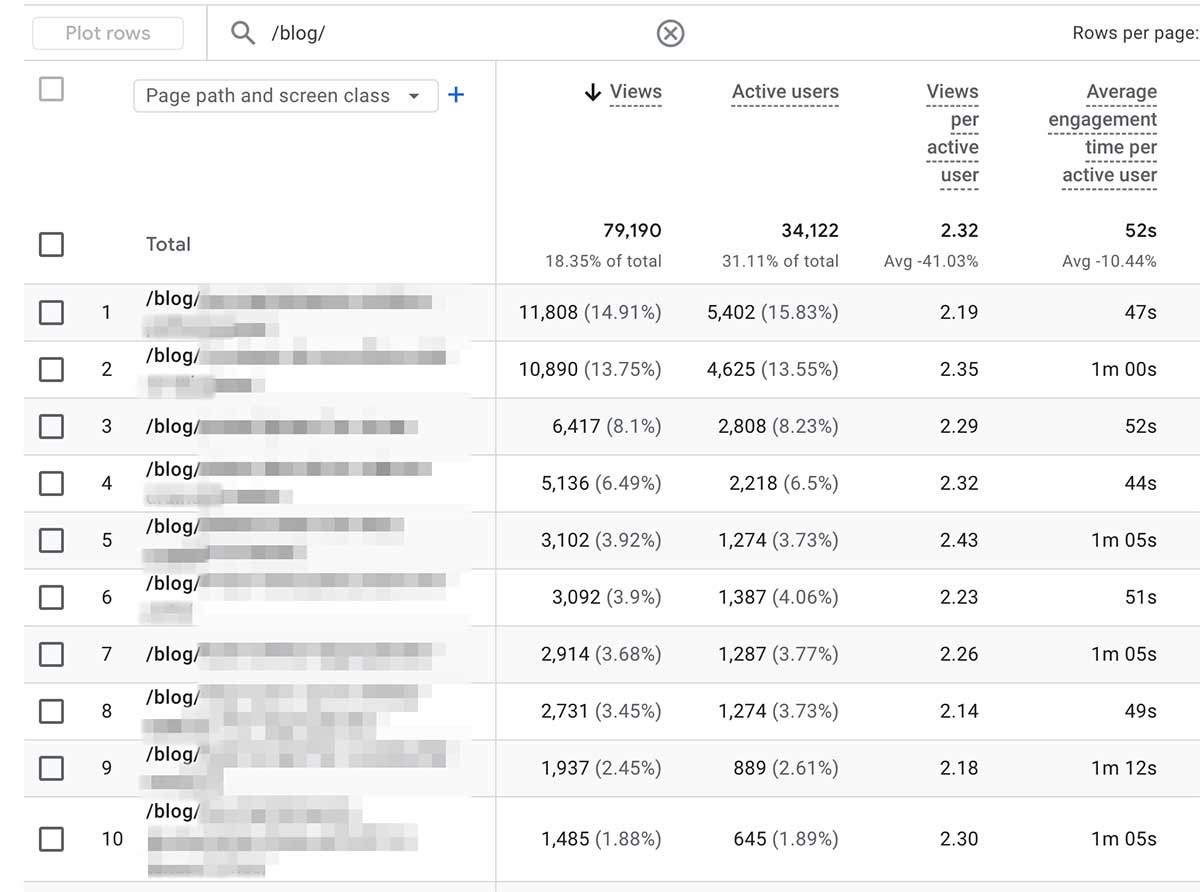
Sidenote: If you publish primarily on video, check your most-viewed YouTube videos instead.

When reviewing, give priority to evergreen content: topics that stay relevant over time rather than trend-based pieces that fade quickly.
Evergreen content doesn’t rely on current events or fleeting trends. These are topics that continue to be searched for month after month and year after year. Examples include:
 Helpful how-to guides
- Beginner tutorials
- Frequently Asked Questions (FAQs)
- Listicles
This type of content is perfect for repurposing because it stays relevant.
Subjects like “how to start a vegetable garden” or “tips for keeping houseplants healthy” never lose appeal. They can be quickly turned into any number of formats, including:
- Step-by-step videos
- Plant care infographics
- Social media posts
- Email campaigns
These topics don’t need constant updates, making them perfect for long-term reuse and AI indexing as there are fewer opportunities to return outdated or incorrect information
While blog posts are often the starting point, don’t overlook other valuable assets like case studies. Case studies highlight your expertise, build trust, and show real results.
You can turn them into social posts, infographics, short YouTube videos, or email campaigns that share key insights with new audiences.
For example, “gardening trends for 2025” has a short shelf life, while “how to grow tomatoes year-round” stays useful year after year.
Choose the Appropriate Channel to Share Your Repurposed Content
Once you’ve identified your top-performing, evergreen content, the next step is choosing the right platform for redeployment.
Not all content will perform well everywhere, so be strategic about where you share it.
Here’s how to choose the best channel for your repurposed content:
1. Don’t Repurpose Everything Everywhere – Repurpose content into platforms that are most aligned with your existing content.For instance, if your content is primarily blog-based, focus on platforms where text-based content thrives, like LinkedIn or Email Marketing.
2. Use Different Repurposing Methods – Here are some common content repurposing use cases:
- How-to Guides → Social Media Posts or Threads – Break down complex how-to guides into quick, actionable tips and share them on platforms like X (formerly Twitter) or LinkedIn.See how Qu For You took their blog post…

and changed it into an easily digestible Instagram guide.
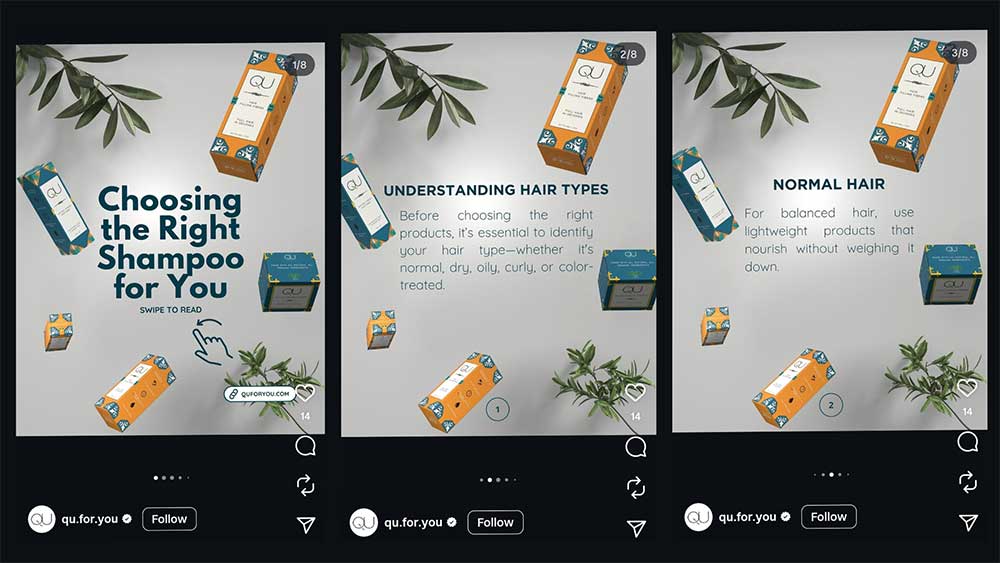
- Blog Posts → LinkedIn Posts, Reddit Posts, Email Campaigns – Condense blog posts into a Reddit or LinkedIn post to engage niche communities or reuse for email drip campaigns.
For example, this Reddit post on fishing gear:
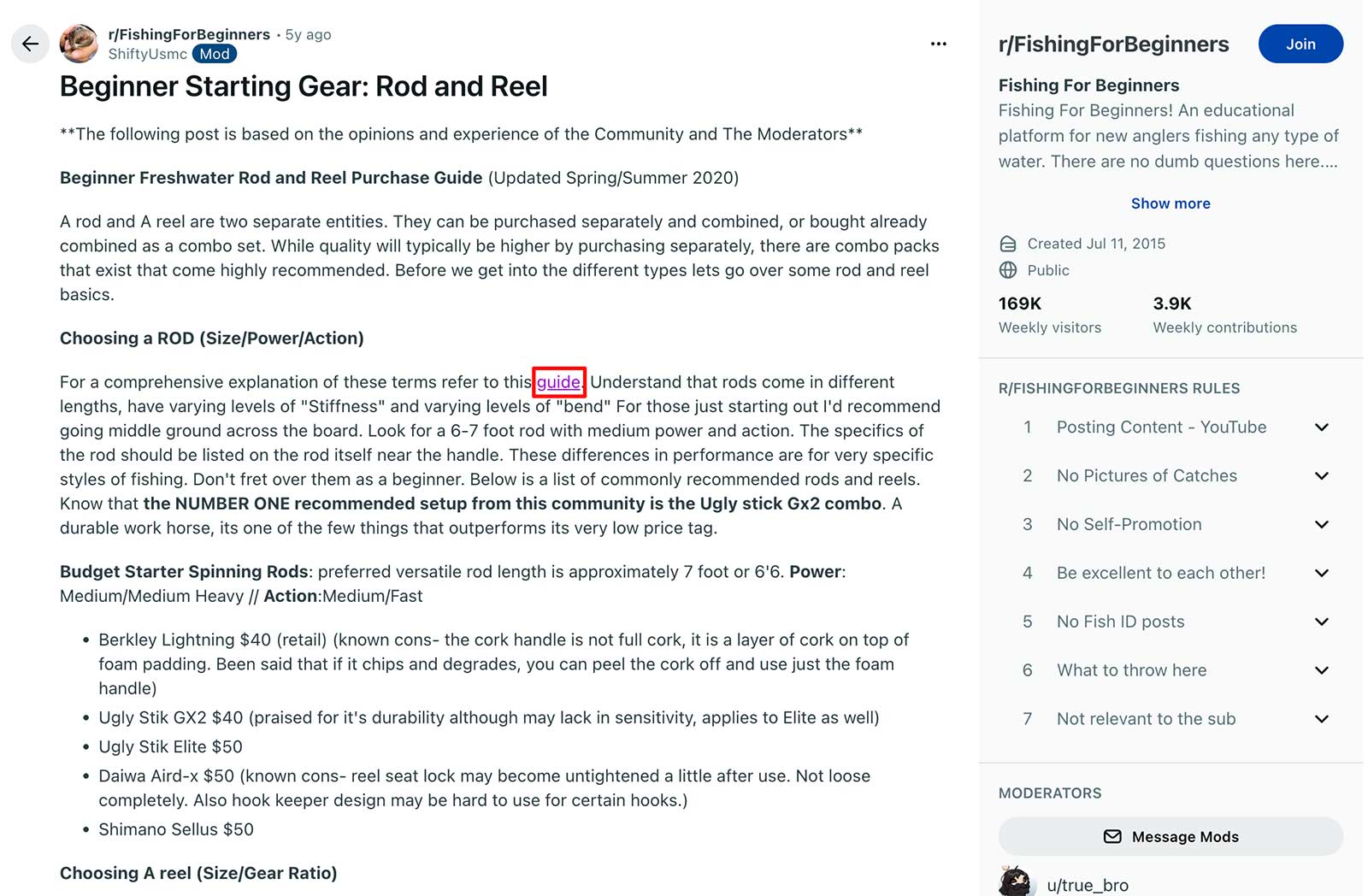
Is repurposed and condensed from this blog post:

- Blog Posts → YouTube Videos – Converting your blog posts and how-to guides into YouTube videos not only helps you reach a wider audience, but also strengthens your visibility in AI search.
For example, “What should I look for when buying my first fishing rod?” returns a Google AI Overview that cites several types of content — including YouTube videos.
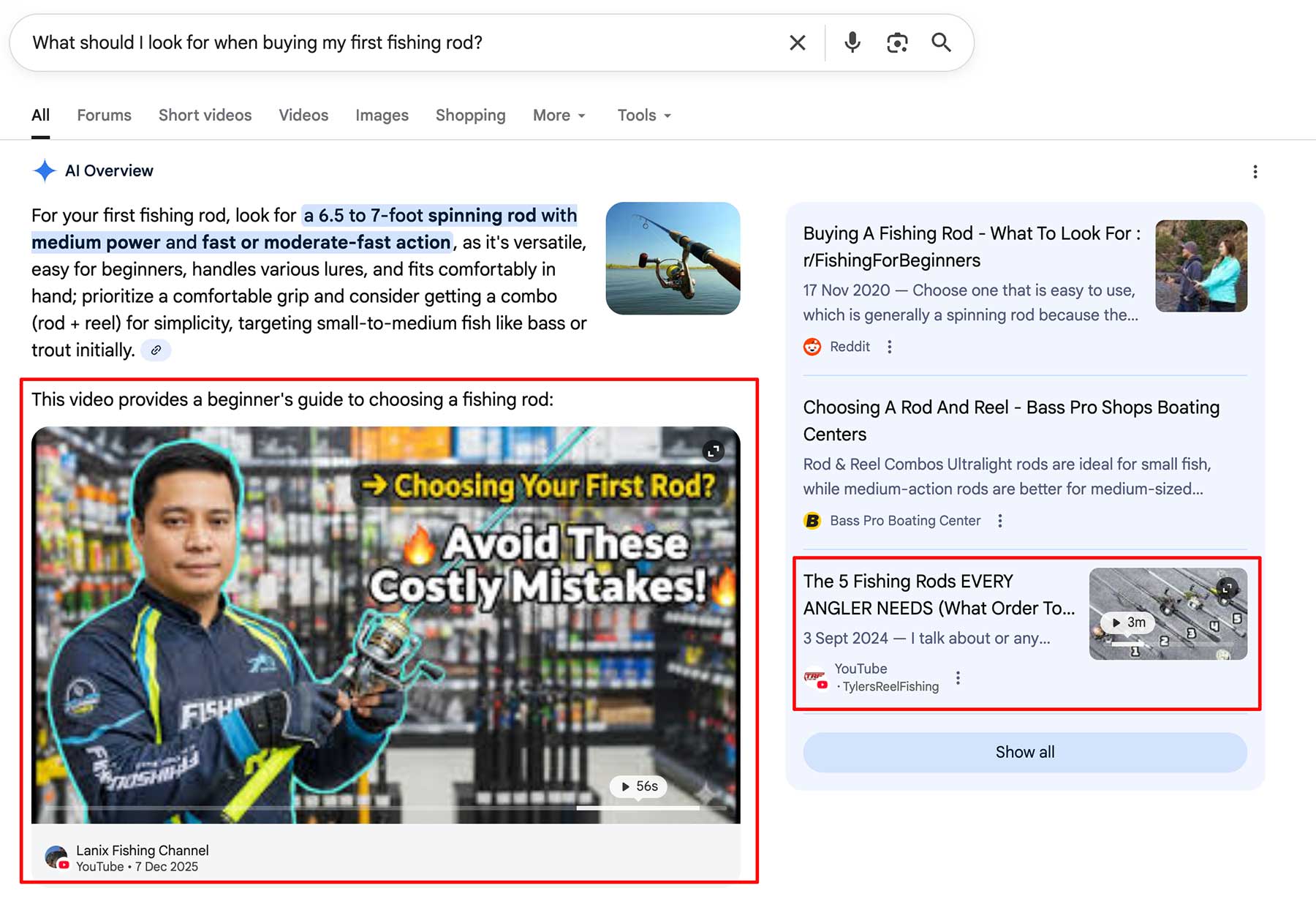
This shows how video formats can increase your chances of being featured in AI-generated results.
- Social Media Posts → Newsletters – Collect valuable social media posts or threads and compile them into a monthly newsletter to drive more engagement.
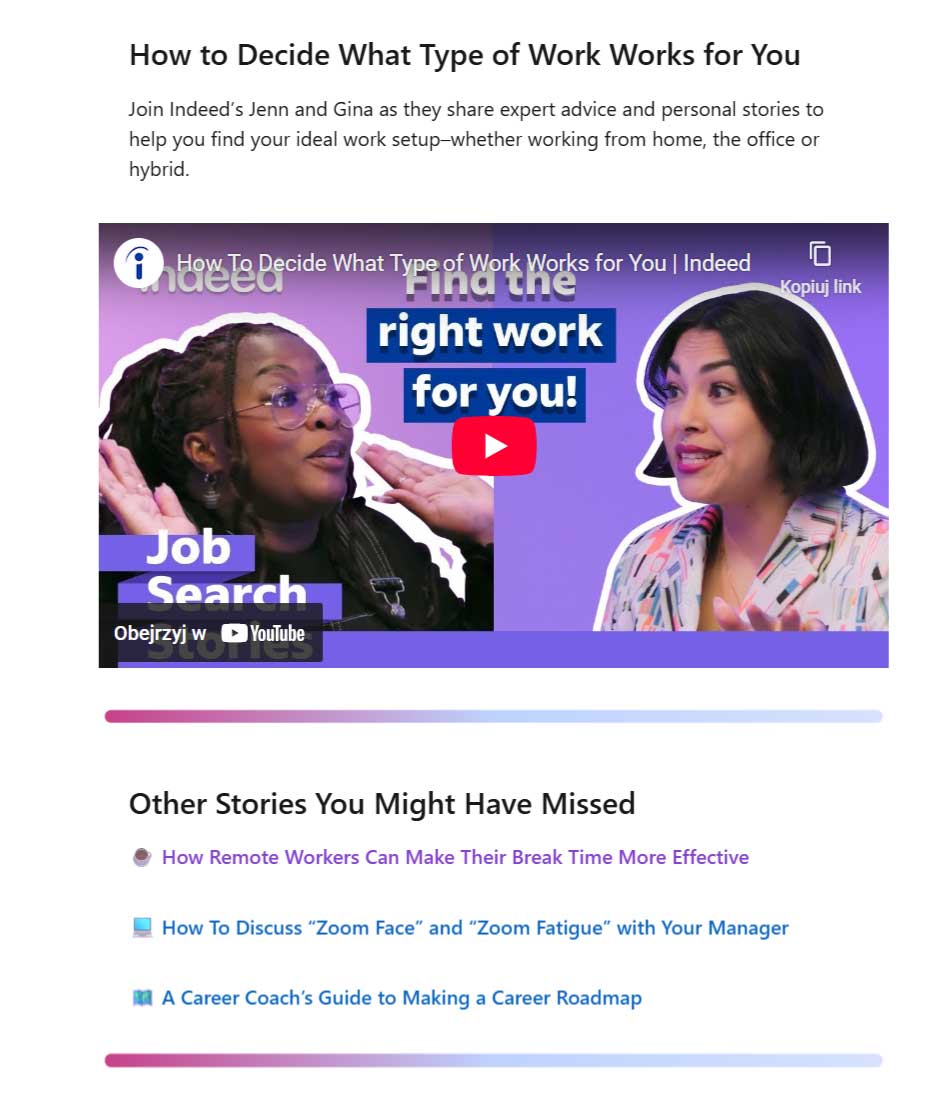
For instance, Indeed includes YouTube videos and other articles in their Newsletter shared on LinkedIn
- Blog Post Images → Social Media Posts – Transform infographics, charts, or images from blog posts into shareable social media posts or slides.
Yahoo Finances repurposes the same chart in their LinkedIn post

and on Reddit

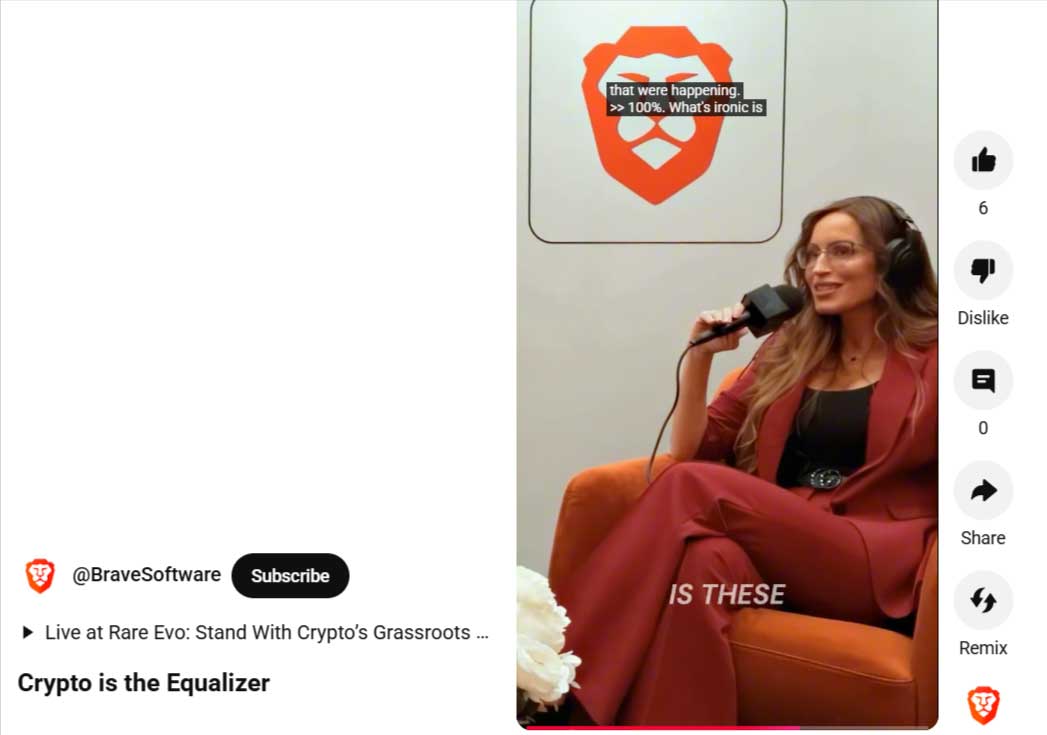
- Webinar Clips & Podcasts → YouTube Videos and TikTok Posts – Extract key moments from webinars and repurpose them into YouTube shorts or TikTok videos for easier consumption.
Here’s an example of a recorded podcast video:

Repurposed into a social media clip:
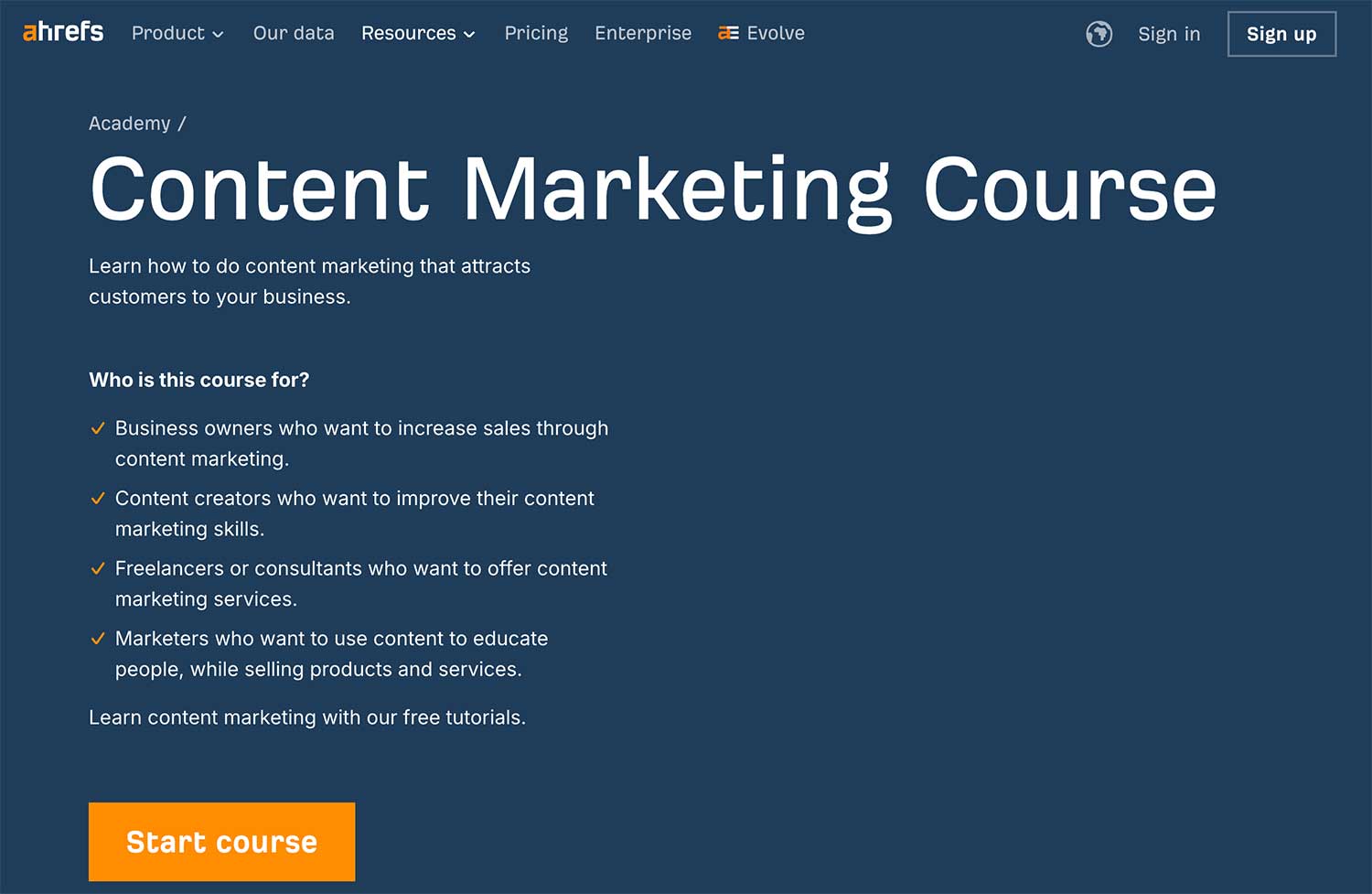
- Videos → Podcasts, Courses – Break up long-form videos into bite-sized podcast episodes or offer them as part of an online course.
For example, Ahrefs have taken their shorter videos on YouTube…

And created a full course on content marketing:
- Blog Post Series → Webinars, Courses, Whitepapers – Take a series of related blog posts and develop them into webinars, online courses, or comprehensive whitepapers.
- Customer Testimonials & Reviews → Case Studies, Social Proof – Turn positive customer reviews and testimonials into case studies, social media posts, or video content to showcase your product or service.
For example, this AI business has showcased testimonials from their Shopify plugin page:

On their website:

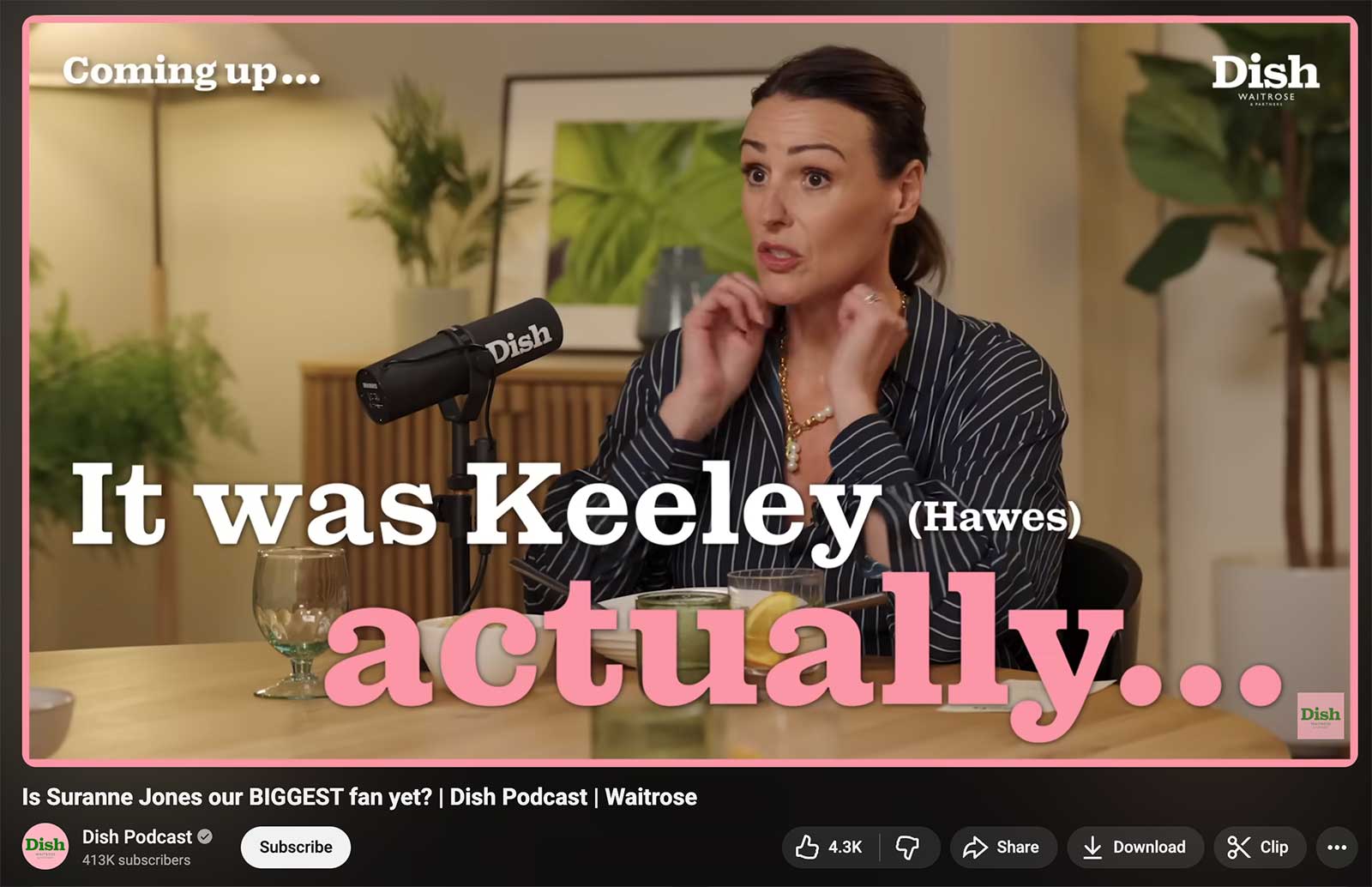
- Podcasts → Quotes – Repurpose podcast episodes into quoted graphics from the episode for social media.
Here’s an example of a Podcast shared on YouTube, with a quoted graphic on social media.
Podcast:
Social Media Quote

- Research Reports & Studies → Infographics, Summaries – Take research reports and transform them into visually engaging infographics or visual summaries that are easy to share across platforms like Instagram or LinkedIn.
Here’s a recent study published by Ahrefs:

Which has been repurposed by a member of their team as a LinkedIn summary post:

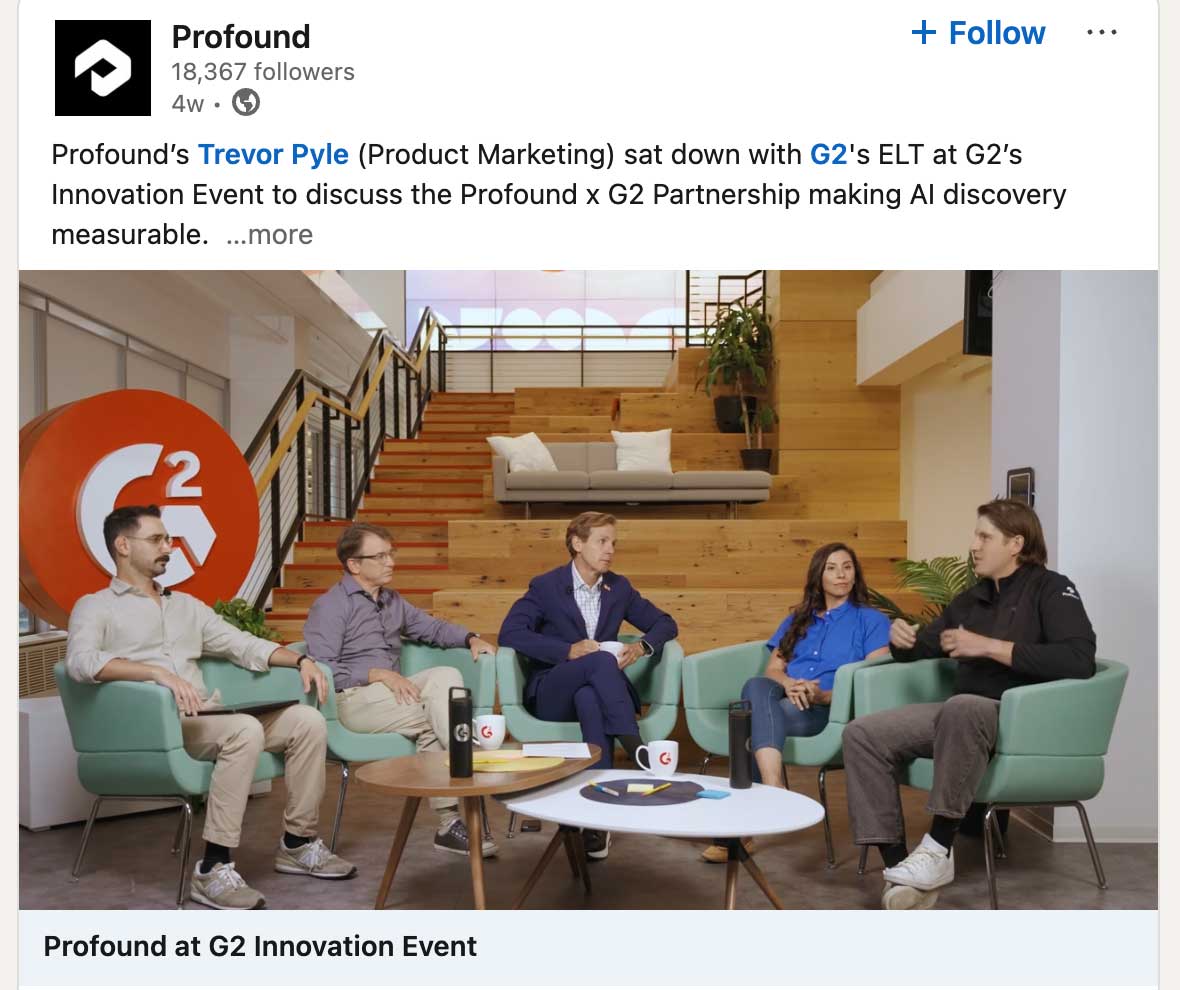
- Event or Conference Talks → Blog Posts, Short Clips – If you’ve given a talk at an event or conference, repurpose the main points into blog posts, social media updates, and short clips for social media.
Here’s an example of a company sharing a clip from a conference talk they attended on their social media:
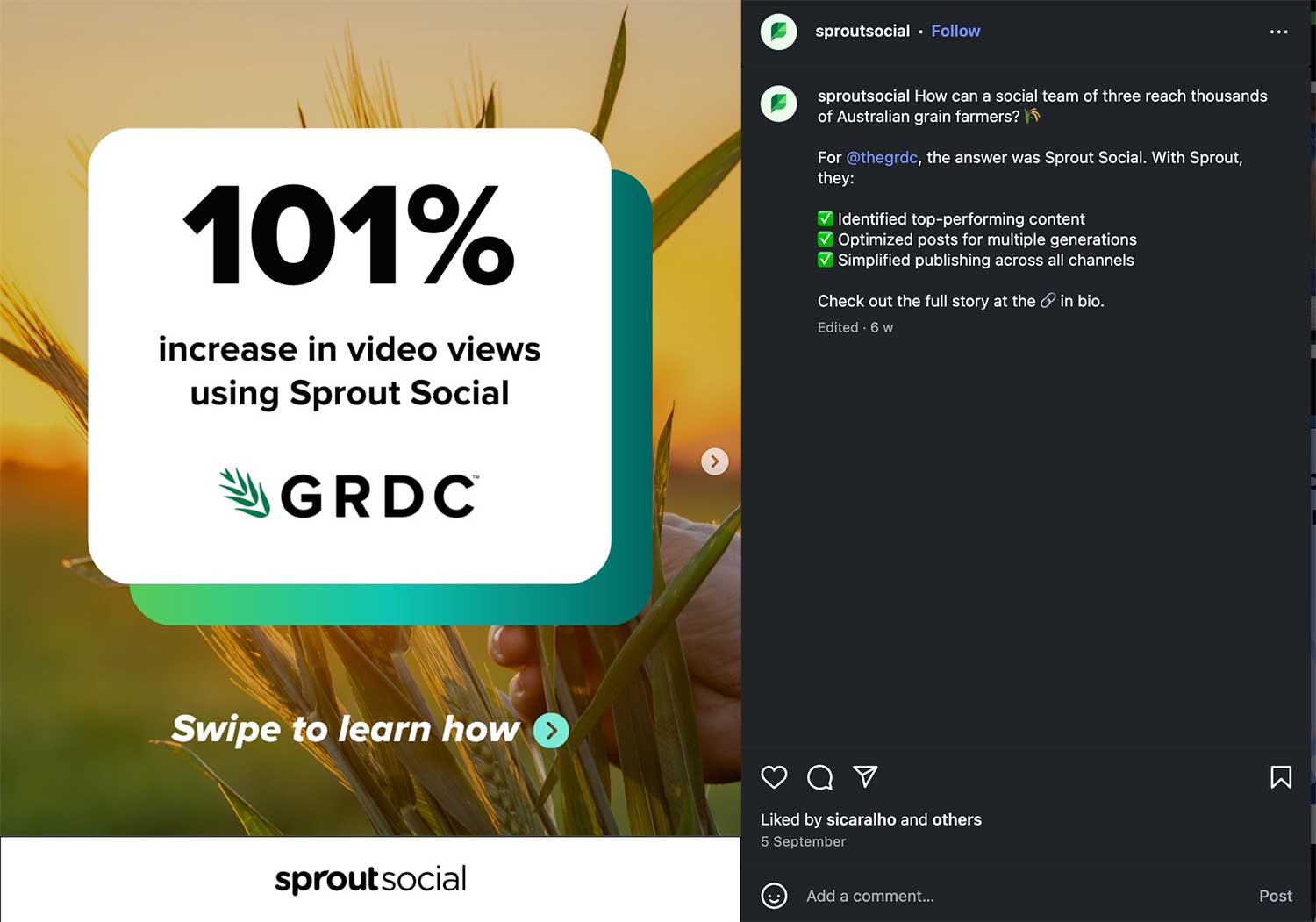
- Case Studies → Presentations, Social Media Highlights – Transform detailed case studies into presentation decks or social media posts that highlight key outcomes and results.
Here’s an example of a case study:
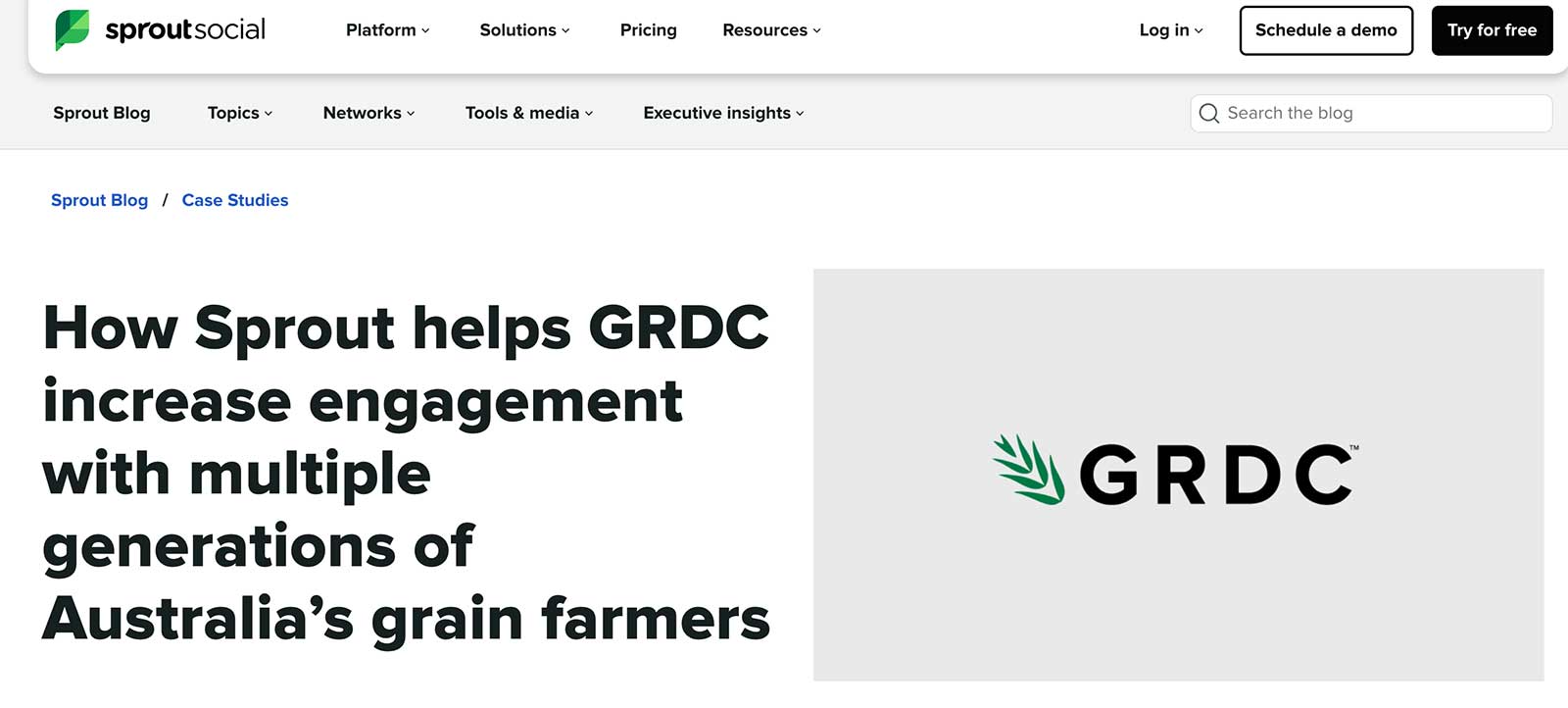
Which has been reshared as a social media post:
- Product Pages → Video Demonstrations, FAQ Videos – Create video demonstrations or FAQ videos to go along with your product pages, showcasing your product features and/or answering common questions.
Here’s Airtable’s Marketing Calendar feature:

Which has an accompanying video on how to use it in practice:
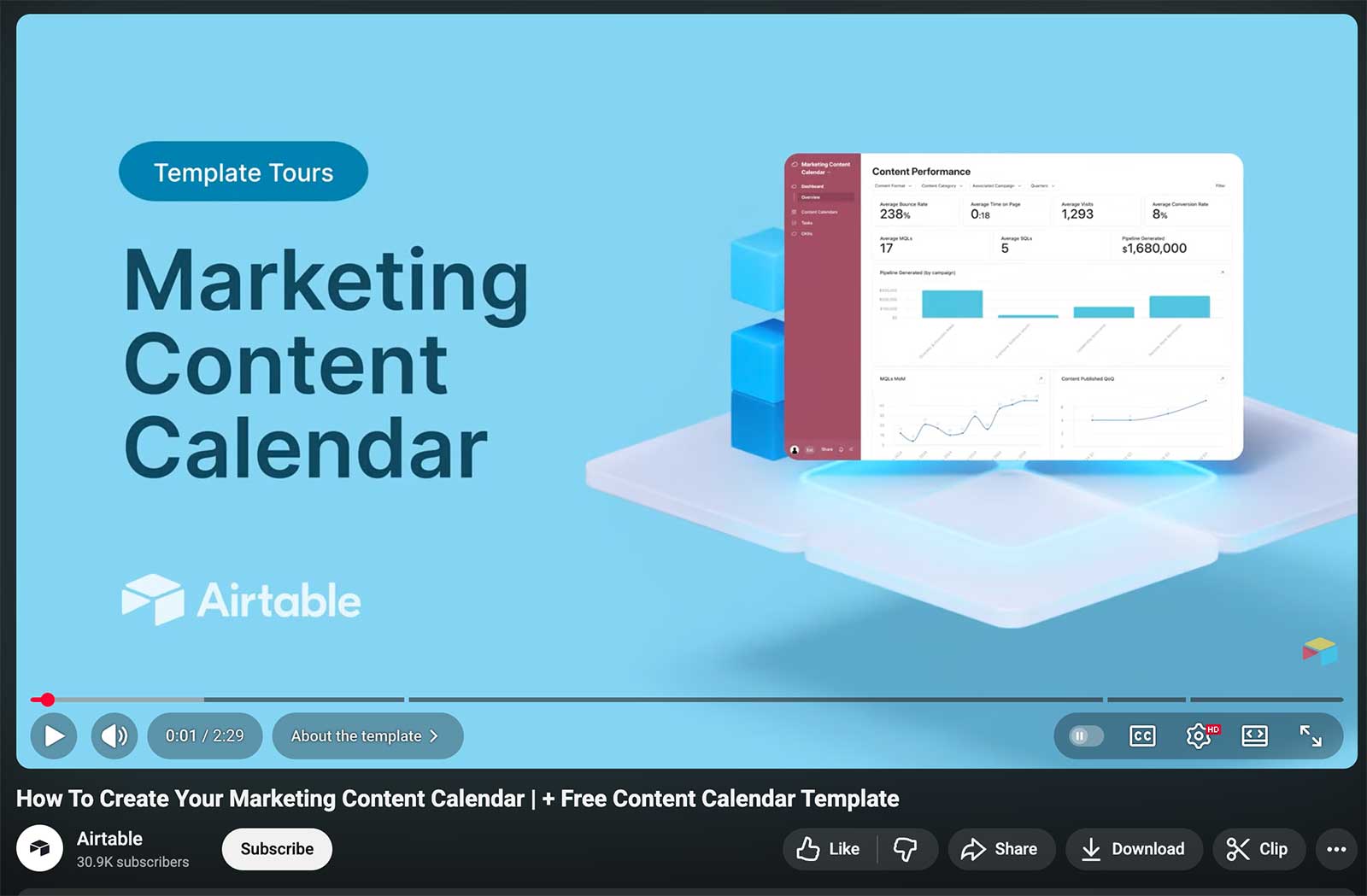
This video is even cited by ChatGPT when asked: “Show me the top tutorial and FAQ videos for using Airtable’s Marketing Calendar effectively.”
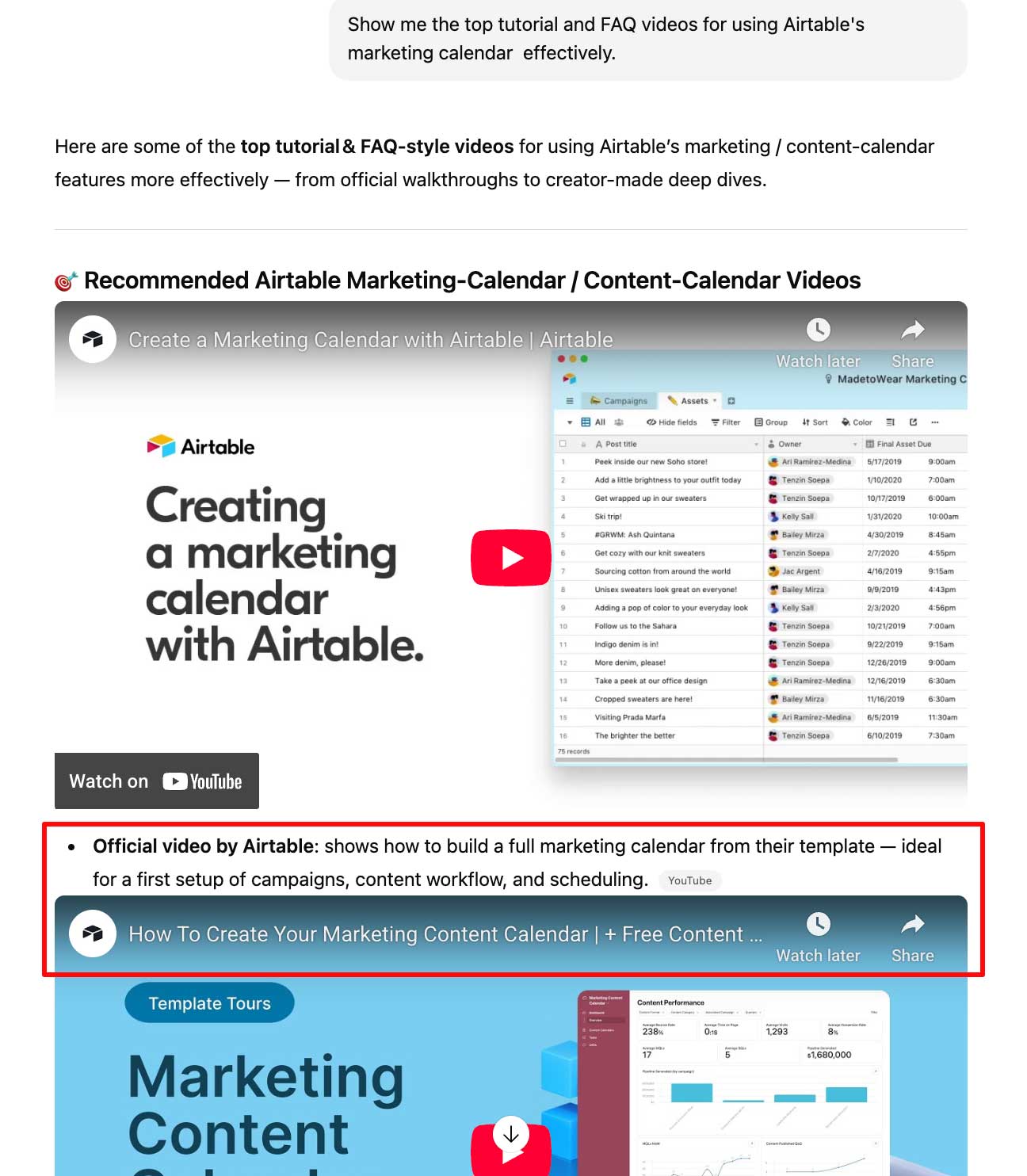
It’s a clear example of how well-structured video content tied to a product page can increase discoverability in AI search.
Even a single, focused FAQ or demo video can become a reference source for AI-generated summaries, helping your content reach audiences who rely on LLMs for guidance.
- Reports, E-books and Whitepapers → Blog Posts, Landing Pages, Courses – Convert detailed, in-depth reports or eBooks into bite-sized blog posts covering key takeaways.
For example, Reuven Lerner took his eBook:
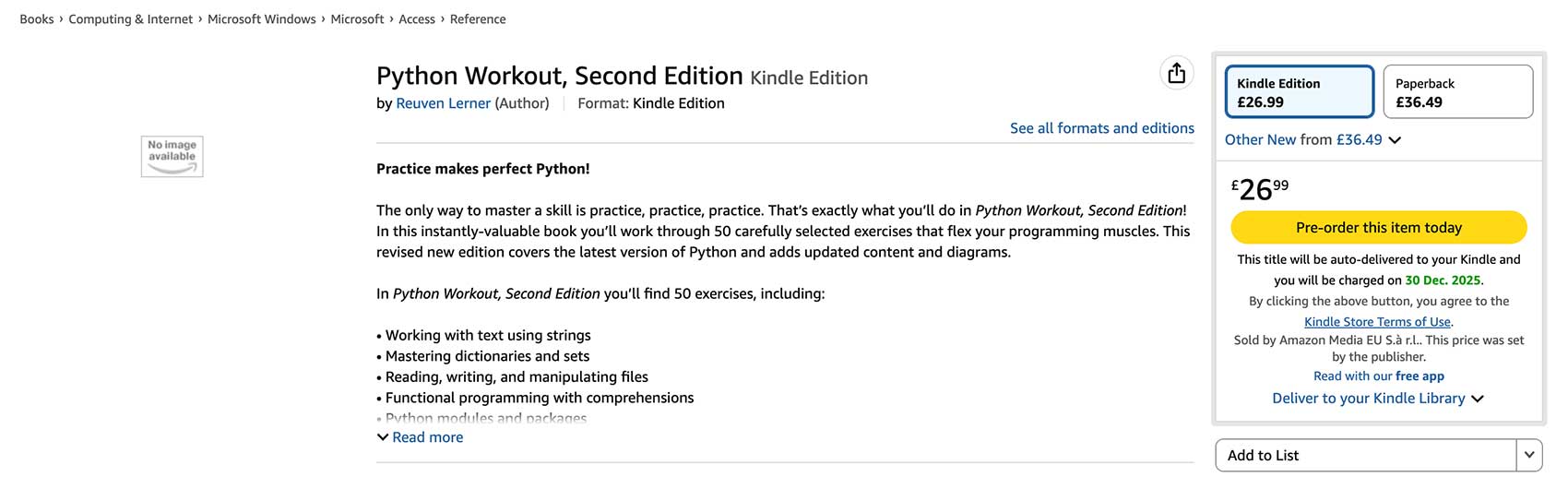
And turned it into a range of courses:

Here’s another example: Grand View Research has a landing page for their Coffee Market report.
The full report sits behind a paywall, but they’ve included a concise summary on the page which is enough for Google’s AI Overview to cite them for the query “Show me the key statistics on global coffee consumption.”

Even partial versions of long-form content can still be picked up by AI systems if they provide clear, structured insights.
These are just a few of the ways that you can repurpose your existing content, but the possibilities are endless.
3. Choose Platforms Where You Have an Audience (or Want to Grow One) – Focus on platforms where you have the largest following or where you want to increase visibility.
For instance, you can turn long-form YouTube videos and webinars into shorter clips for TikTok or Instagram to grow your social media reach.
By choosing the right content, adapting it to different platforms, and focusing on multimodal formats, your content has the best chance of reaching as many people as possible, while also showing up for AI models.
Adapt Your Content to the Channel
Repurposing content is about getting the most from your existing assets. But simply reposting everywhere isn’t enough.
Each platform has its own culture, preferred content style, and algorithm that can impact how well your content performs.
To unlock the full potential of your repurposed content and maximize its value, tailor it for each channel.
Here’re two tips for adapting your content to the chosen channel:
1. Adapt Your Content to the Platform’s Unique Culture – For example, TikTok and Instagram thrive on quick, engaging content. When repurposing longer YouTube videos or blog posts, break them into bite-sized clips or carousel posts that highlight the key takeaways.
Here’s an example of a longer, in-depth case study that I published on YouTube.
I repurposed the same content into a YouTube Short, ensuring the clips were fast-paced and the visuals fit the 9:16 format for better engagement.
And here’s an example of a text-forward case study that I published on my website.

Which I’ve repurposed and shared for my LinkedIn audience.
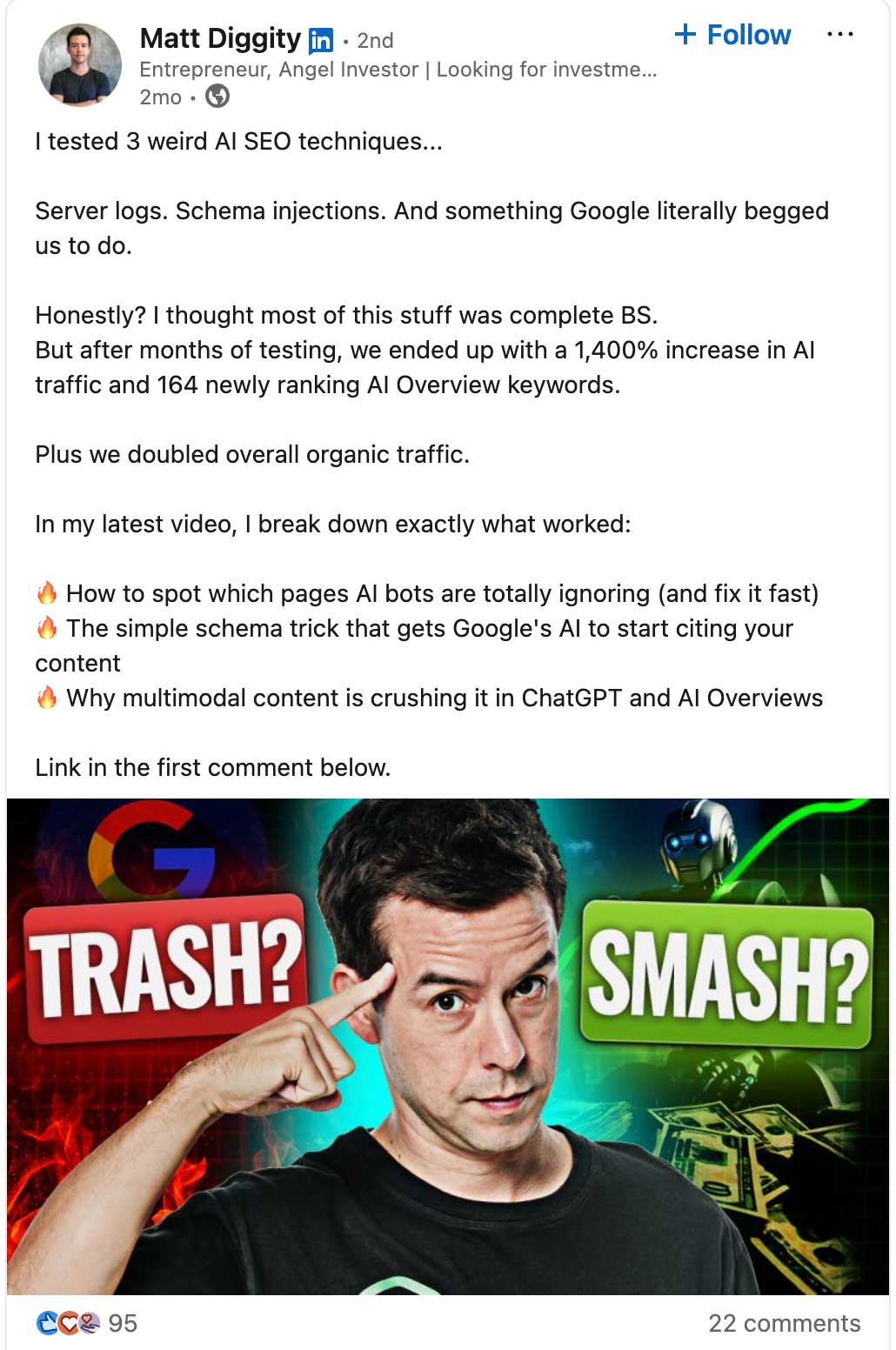
Note that I’ve:
- Used formatted text with short, snappy sentences that are easy to read and scan
- Used relevant emojis to highlight key points
- Created a custom image/cover for the post that grabs the user’s attention and takes up more real estate on the feed (in comparison to not having one).
I also took it a step further with another LinkedIn post for the same case study.
This time, I adapted the content by extracting the most relevant and important information and reformatted it into a cleaner, easier-to-read structure.
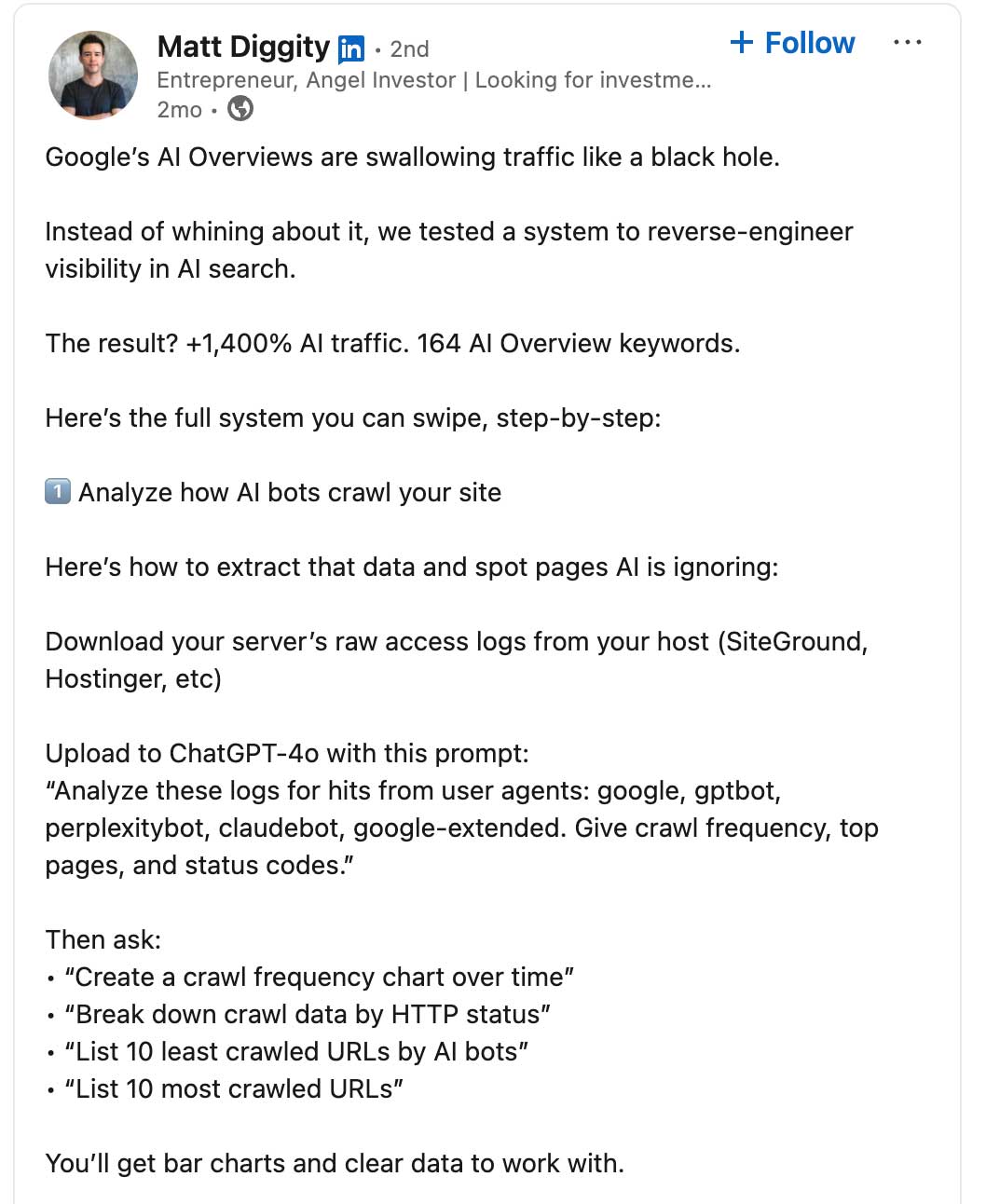
By doing this, the post became more digestible for LinkedIn’s professional audience while still conveying the key takeaways from the case study.
2. Refurbish and Republish Older Posts – Sometimes, updating older posts can make them feel new again. Once refreshed, you can reshare and repurpose them on different platforms for added visibility.
Here’s how to get started:
- Refresh Outdated Information – Review older blog posts or articles that aren’t ranking as well anymore. Add the latest facts, figures, or insights to bring them up to date.
- Consolidate Multiple Posts – If you have several related blog posts, consolidate them into one comprehensive guide or long-form article.
- Add New Sections or Case Studies – If your old content is missing fresh examples, add new case studies or client stories to make it more relevant. Check out this guide to read more about how to identify content gaps.
Sprout Social maintains an “Always Up-to-Date Guide to Social Media Image Sizes,” which is regularly updated to reflect the latest platform specifications.

For instance, when Instagram transitioned from a square (1:1) to a portrait (4:5) aspect ratio for profile images, Sprout Social promptly revised their guide to include this change.
This is the kind of content that benefits from regular updates and should be reshared across platforms to keep your audience informed.
Here’s a step-by-step approach to get started:
- Audit Your Blog Posts – Follow the same steps as above to identify the top performing pages, except this time, sort the Views in Ascending order to see the posts with the fewest views.
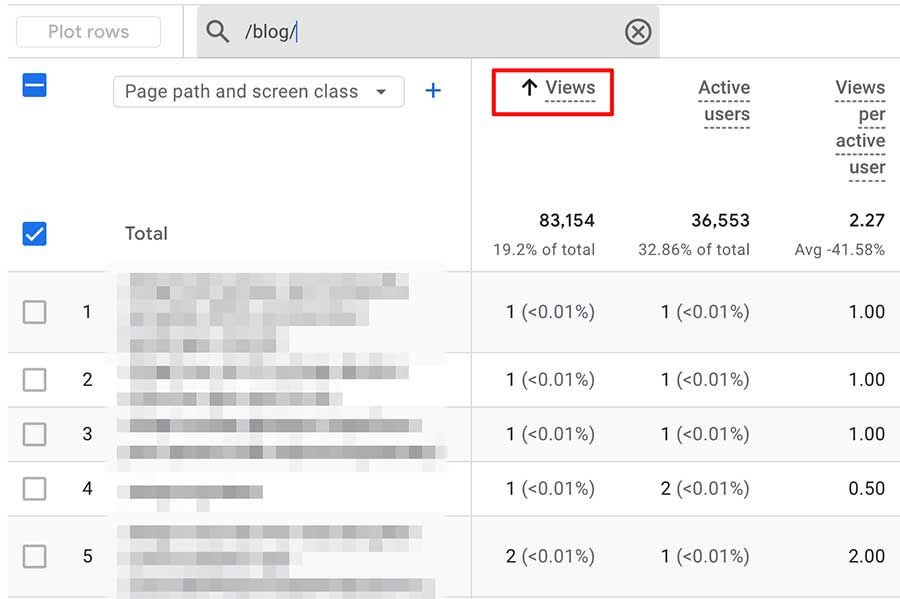
- Identify Candidates for Update – Go through and highlight posts that are outdated, underperforming, or could benefit from new insights.Focus on content that will deliver the most value to your audience, whether that’s high-traffic posts or hero content that tells your company story most impactfully.
For example, if you have posts like “Best Bluetooth Headphones of 2025”, these are great as you’ll need to update them for 2026.
- Revise and Reinforce – Update the posts by:
- Adding updated statistics, research, or case studies to keep it current.
- Replacing or adding screenshots, diagrams, or visuals to improve clarity.
- Highlighting new tools, apps, or methods relevant to the topic.
- Injecting fresh perspectives or expert opinions to make it more insightful.
- Combining related articles into a single comprehensive guide for a more complete resource.
The final step is to then share your refreshed articles across your social channels, newsletters, and other distribution points.
Repurposing content isn’t just about reposting the same message on different platforms. It’s about adapting your content to fit each platform’s strengths.
The more formats and platforms you use, the more opportunities you create for AI systems like Google and ChatGPT to discover and feature your content.
By following these steps, you’ll not only reach a wider audience but also increase the chances of your content being featured by the AI models shaping the future of search.
The Results
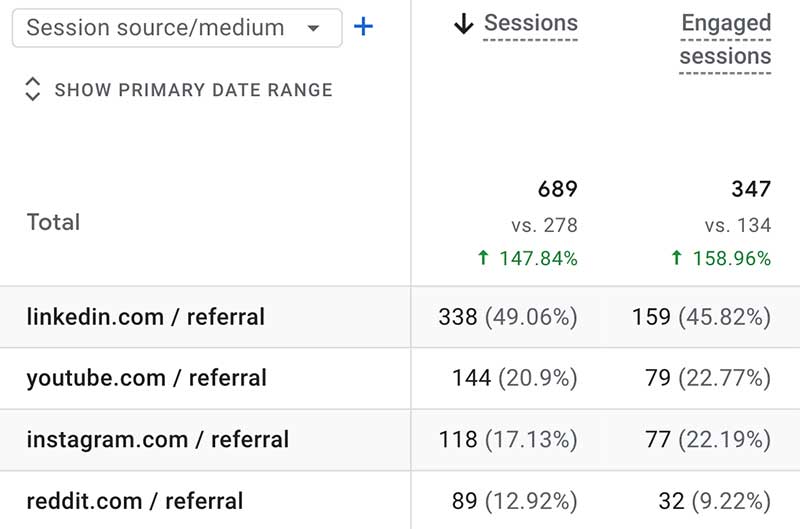
When compared year-on-year, the site’s referral traffic from repurposing content across social media and Youtube grew by 148%.
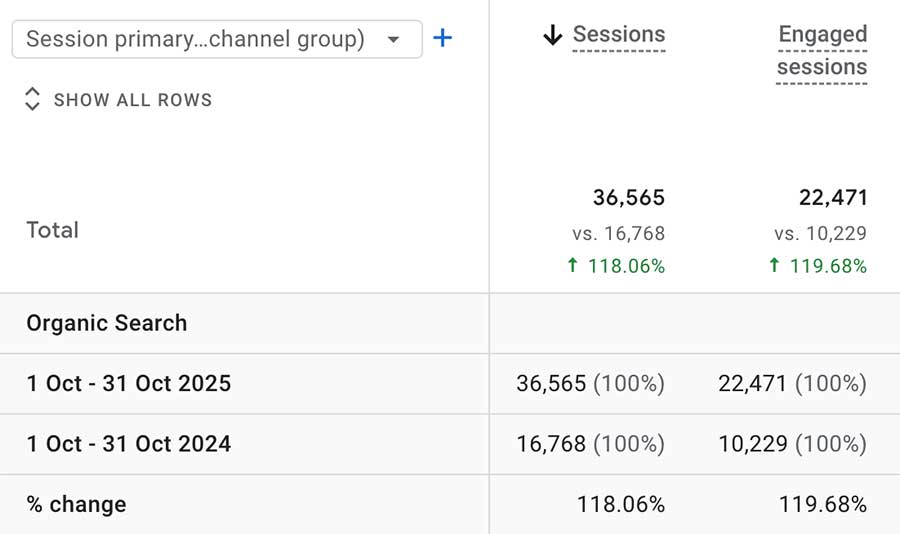
In the same period, organic traffic increased by 118% from 16.7k to 36.5k monthly sessions.
Conclusion
In this case study, I’ve shown you how to:
- Identify where your audience searches and consumes content across Google, ChatGPT, YouTube, TikTok, LinkedIn, and Reddit, so you can focus on the platforms that matter most.
- Turn existing blog posts, guides, and case studies into multiple formats to reach new audiences and increase the likelihood of being surfaced by AI models.
If you want to:
- Turn existing content into AI visibility
- Map where your audience really searches
- And stop relying only on Google for traffic
…talk to our team at The Search Initiative and we’ll show you where your biggest multi-platform opportunities are waiting.
Keep an eye out for the next case study, where we break down how we turned Reddit into a powerful referral traffic driver: building trust, and strengthening AI search authority for the same client.
Get a Free Website Consultation from The Search Initiative:
